

Sport

An examination of the Supreme Leader’s decades-long influence and what a potential leadership transition could mean for Tehran.
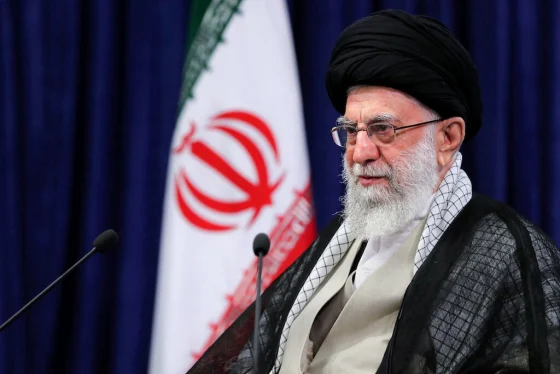
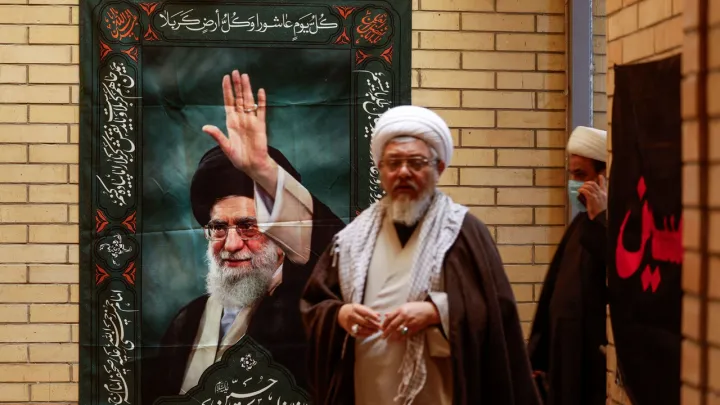
For more than three decades, Ali Khamenei has stood at the apex of Iran’s political system, wielding authority that extends beyond elected institutions and shaping the country’s domestic and foreign policy trajectory.
Born in 1939 in Mashhad, Khamenei emerged as a close associate of Ayatollah Ruhollah Khomeini during the opposition to Shah Mohammad Reza Pahlavi. Following the 1979 Islamic Revolution, he rose steadily within the new political order, serving as president from 1981 to 1989. After Khomeini’s death, Iran’s Assembly of Experts appointed him Supreme Leader — a position he would consolidate into the most powerful office in the country.
As commander-in-chief, Khamenei maintained final authority over the armed forces and the Islamic Revolutionary Guard Corps (IRGC), while exerting decisive influence over the judiciary and strategic foreign policy decisions. Under successive presidents — from reformist Mohammad Khatami to conservatives Mahmoud Ahmadinejad and Ebrahim Raisi — the country’s political tone shifted, but ultimate power remained centralized under the Supreme Leader.
His tenure was marked by prolonged tensions with Western powers, heavy economic sanctions, and periodic waves of domestic unrest. Major protests, including those following the death of Mahsa Amini in 2022, highlighted deep internal divisions. Authorities responded with firm security measures, reinforcing perceptions among critics of a rigid political structure resistant to reform.
Iran’s nuclear program became a defining issue of his leadership. The 2015 Joint Comprehensive Plan of Action (JCPOA) temporarily eased tensions, but the agreement unraveled after the United States withdrew in 2018. Khamenei consistently framed Iran’s nuclear activities as peaceful while defending the country’s right to uranium enrichment.
Regionally, he backed allied movements and promoted what Tehran describes as the “Axis of Resistance,” positioning Iran as a central player in Middle Eastern geopolitics.
As speculation grows about Iran’s future leadership trajectory, analysts note that any transition at the highest level would carry significant implications — not only for Iran’s internal balance of power but also for regional stability and global diplomacy.
Source: NewstimeHub
Comments
No comments Yet






Comment