Trans-Saharan Gas Pipeline Gains Strategic Edge in Africa’s Energy Race
Editor:
Halimatou HAMADOU DJIBO
Shorter route, existing infrastructure, and stronger regional alignment position Algeria-led project ahead of Atlantic alternative
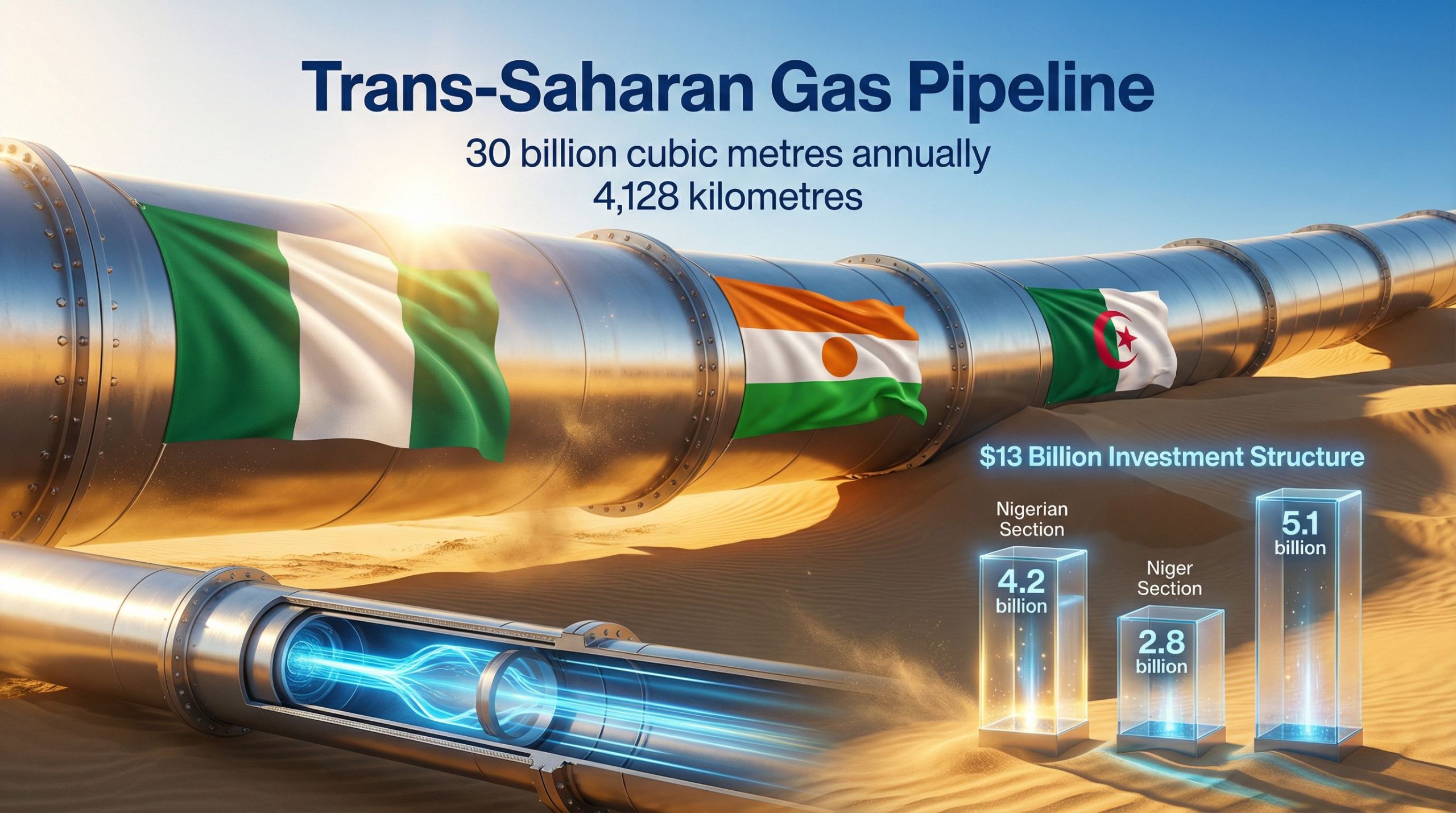
A renewed debate over Africa’s major gas infrastructure projects has highlighted the growing strategic advantage of the Trans-Saharan Gas Pipeline (TSGP), a project linking Nigeria to Europe via Niger and Algeria. According to Jeff Porter, the Algeria-backed initiative stands out as the most viable option in a rapidly evolving global energy landscape shaped by geopolitical tensions and Europe’s rising demand for alternative gas supplies.
With an estimated length of 4,128 kilometers, the TSGP offers a more direct and cost-efficient route compared to the Atlantic pipeline project promoted by Mohammed VI, which would extend over 5,600 kilometers across 13 coastal countries. Beyond distance, technical feasibility plays a decisive role. While the Moroccan project relies heavily on complex offshore engineering, the TSGP benefits from Algeria’s existing and well-developed pipeline network, significantly reducing costs and implementation time.
Geopolitical dynamics further reinforce the TSGP’s position. The Atlantic project depends on multiple regional partners, making it vulnerable to shifting alliances and diplomatic tensions. Recent signals of disengagement from key countries such as Senegal have raised concerns about its long-term coherence. In contrast, Algeria maintains stable cooperation with Niger and Nigeria, emphasizing a pragmatic approach centered on shared development goals.
With an expected capacity of 20 to 30 billion cubic meters per year, the TSGP is not only designed to supply Europe but also to drive regional integration and economic growth. Abdelmadjid Tebboune has framed the project as a cornerstone of African development, aiming to boost industrialization, expand energy access, and strengthen infrastructure connectivity across the continent.
Ultimately, the project’s combination of economic efficiency, technical readiness, and geopolitical stability positions it as a leading contender in Africa’s emerging role as a key energy supplier to Europe.
Source: Newstimehub




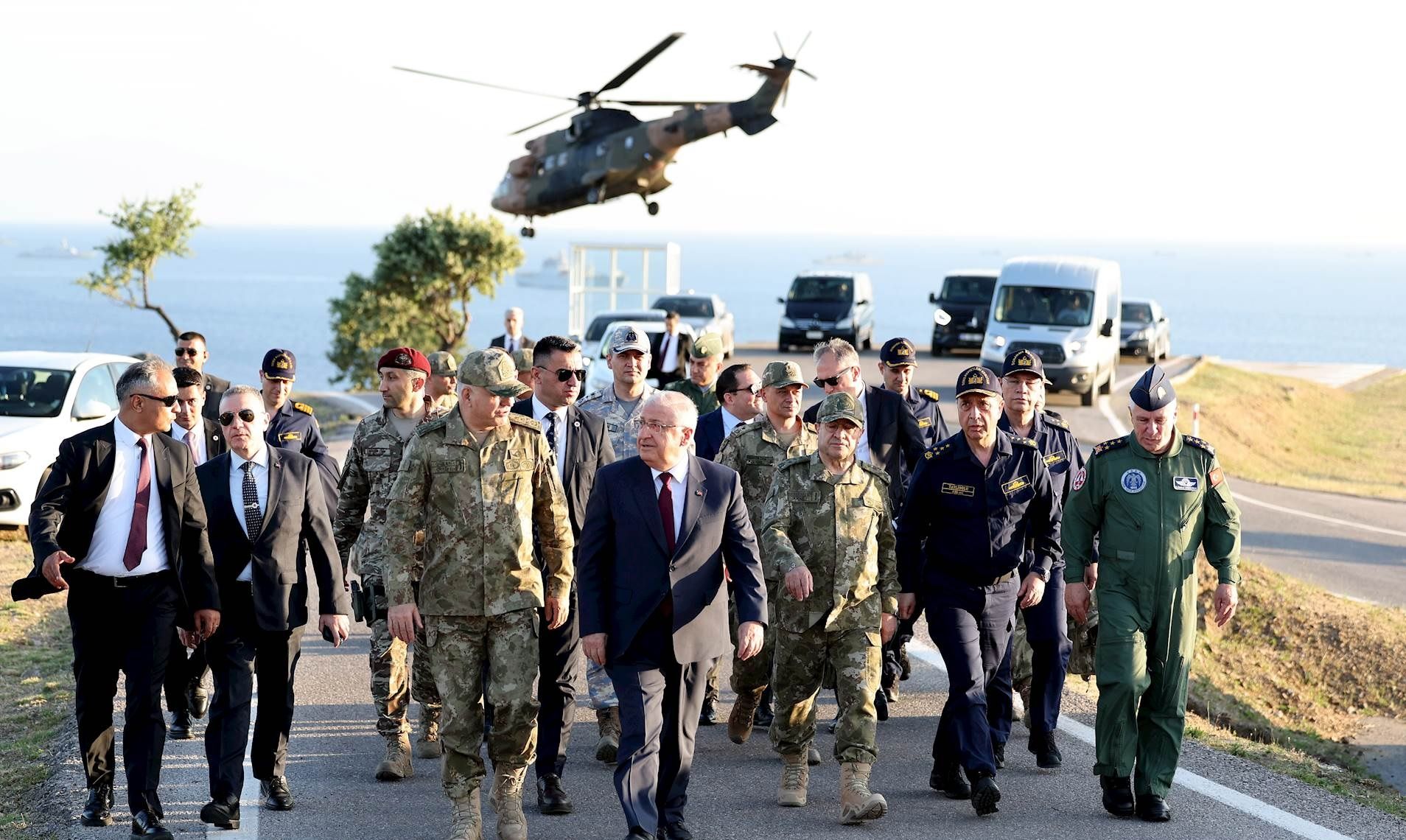
Türkiye, Qatar, Pakistan and Indonesia to sign defence industry deal
The agreement aims to strengthen defence industry ties among the four countries as Qatar moves to expand its domestic defence production capabilities.
FIFA suspends Egypt coach for three matches after criticising World Cup refereeing
FIFA has suspended Egypt head coach Hossam Hassan for three matches following comments he made after the team’s World Cup round-of-16 defeat to Argentina.
Libyan parliament unanimously approves maritime deal with Türkiye
Libyan lawmakers also voted unanimously to overturn a resolution, which had called for severing political relations with Ankara.




All rights reserved. Newstimetr © 2026