Kenya’s Private Sector Contracts as Cost Pressures Intensify
Editor:
Halimatou HAMADOU DJIBO


Rising expenses and weak demand weigh on businesses despite cautious optimism for recovery

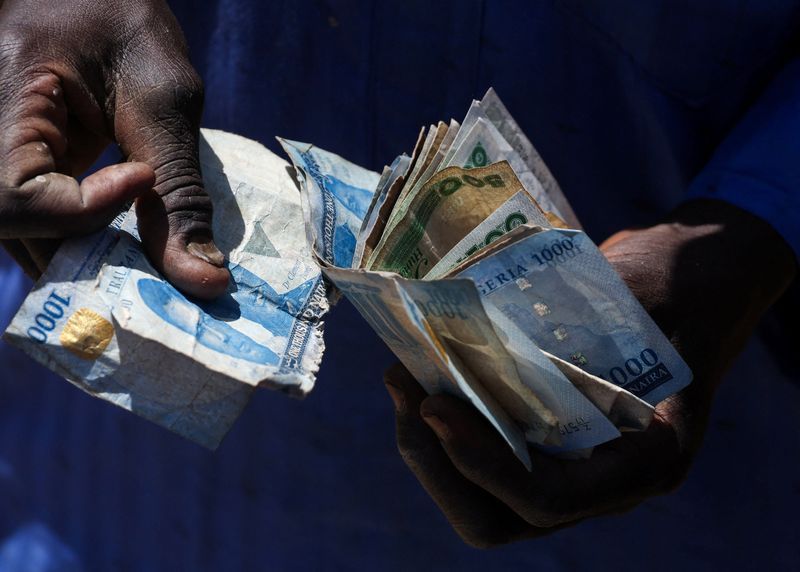
Kenya’s private sector came under renewed pressure in March, as the Stanbic Bank Kenya Purchasing Managers’ Index fell to 47.7 from 50.4 in February, marking a fourth straight monthly decline and signaling a deterioration in business conditions.
The slowdown reflects a tightening economic environment, with reduced money circulation, declining household purchasing power, and rising fuel and transport costs. These factors, compounded by logistical disruptions, have weakened supply chains and slowed overall commercial activity.
For the first time in seven months, businesses reported shrinking order books, leading to scaled-back production. Meanwhile, input costs surged at their fastest pace in more than two years, driven by higher taxes, increased fuel prices, and elevated shipping costs. However, subdued demand and intensified competition have limited firms’ ability to pass these costs on to consumers, putting pressure on profit margins.
To navigate the downturn, companies are adopting more conservative financial strategies, including reducing inventories and slowing hiring. Employment growth has nearly stalled, reaching its lowest level since October 2025, while backlogs of work have declined sharply, indicating reduced operational strain.
Despite current challenges, business sentiment remains relatively stable. Over one-fifth of firms expect growth over the next 12 months, supported by expansion plans, stronger marketing initiatives, product diversification, and continued investment in capacity and talent.
Source: Newstimehub





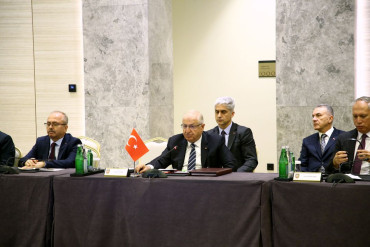
Türkiye, Qatar, Pakistan and Indonesia to sign defence industry deal
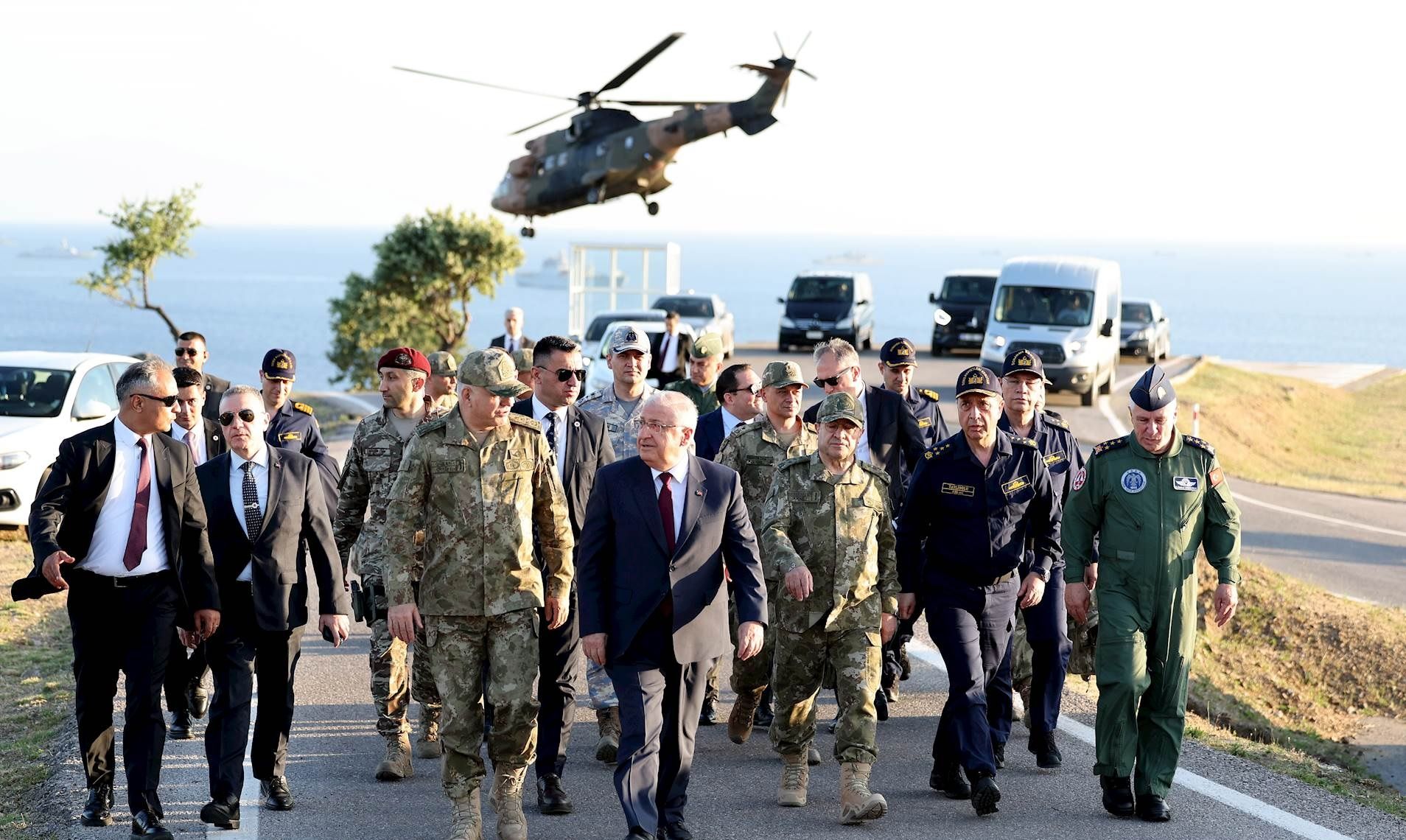
The agreement aims to strengthen defence industry ties among the four countries as Qatar moves to expand its domestic defence production capabilities.
FIFA suspends Egypt coach for three matches after criticising World Cup refereeing
FIFA has suspended Egypt head coach Hossam Hassan for three matches following comments he made after the team’s World Cup round-of-16 defeat to Argentina.
Libyan parliament unanimously approves maritime deal with Türkiye
Libyan lawmakers also voted unanimously to overturn a resolution, which had called for severing political relations with Ankara.




All rights reserved. Newstimetr © 2026