
Nature-based innovation offers farmers a sustainable alternative to restore soil health and boost productivity
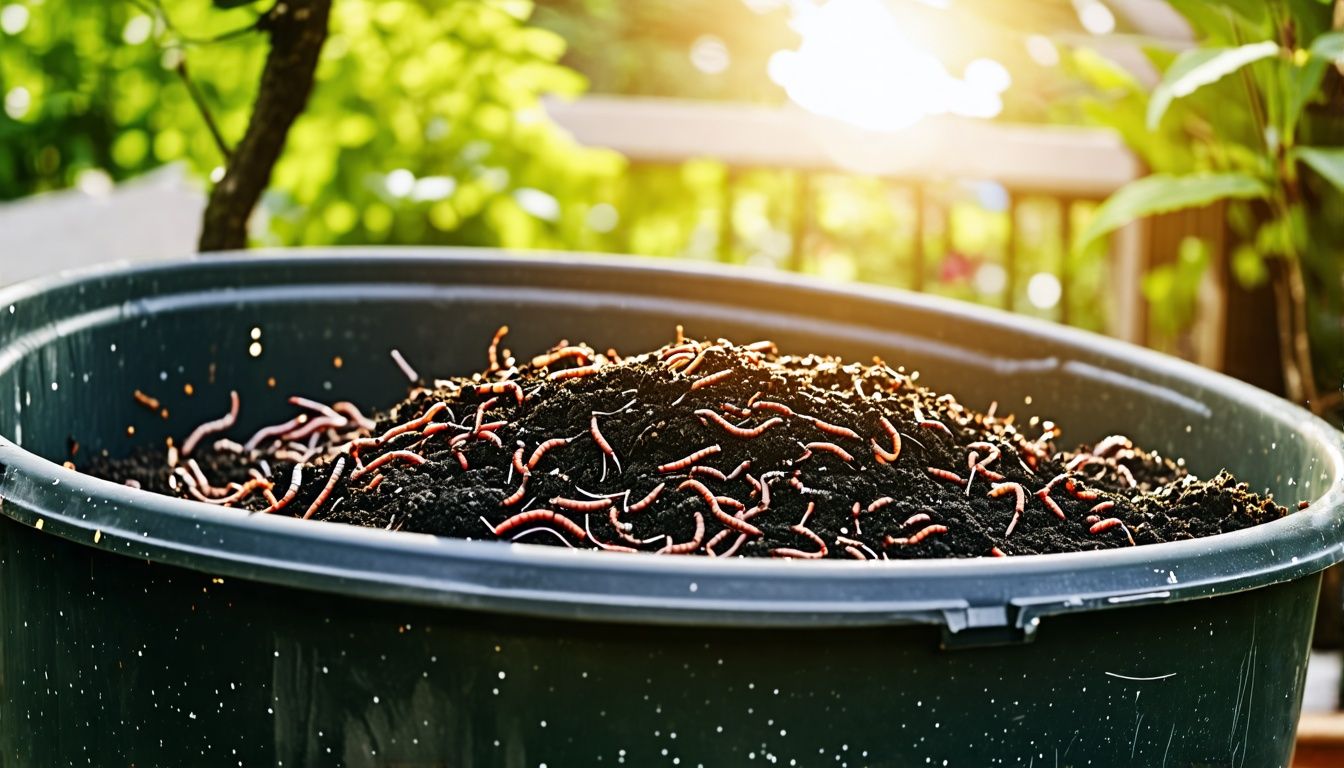
In Kiambu, Kenya, a small-scale agricultural initiative is making a significant impact by transforming organic waste into high-quality fertilizer through vermicomposting—a natural process where earthworms convert waste into nutrient-rich compost.
Launched in 2018 by entrepreneur George Muturi, the project has grown into a thriving operation. His farm, Comfort Worms and Insects, now produces around 12 tonnes of vermicompost each month, providing farmers with a sustainable and eco-friendly alternative to chemical fertilizers.
Using redworms, the process efficiently breaks down agricultural waste and livestock manure into compost that is balanced in pH, rich in nutrients, and free from harmful pathogens. Beyond improving soil fertility, vermicomposting enhances soil structure, aeration, and long-term productivity.
This innovation comes at a crucial time, as Kenya faces widespread soil degradation. According to the Heinrich Boell Foundation, nearly 75% of the country’s soils suffer from depleted organic carbon levels. Meanwhile, the World Bank reports that 64% of arable land is degraded, contributing to erosion, compaction, and yield losses of up to 50% in major farming regions.
Farmers are increasingly turning to this organic solution. Growers such as James Wairuri have observed improved soil health and higher crop yields after replacing synthetic fertilizers with vermicompost.
Experts also highlight its broader environmental benefits. Speranzer Muthoni from the Rural Health and Environmental Awareness (RHEA) group notes that vermicomposting restores organic carbon, enriches soil nutrients, and reduces compaction—key factors for sustainable agriculture.
As Kenya advances its circular economy, initiatives like this illustrate how simple, nature-based practices can tackle complex environmental challenges—restoring soil vitality one worm at a time.
Source: Newstimehub


Related stories




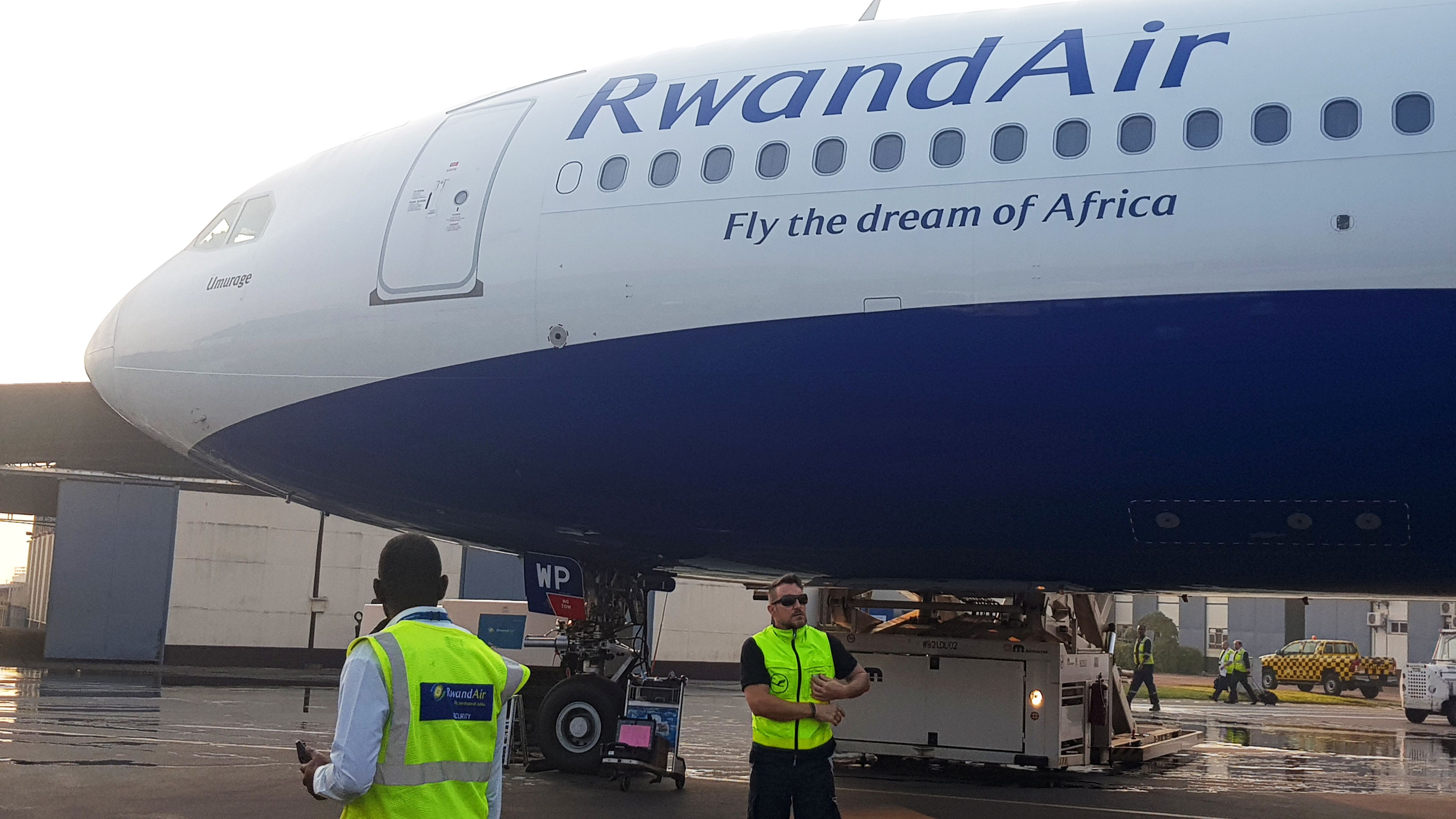
Qatar Airways lends pilots to Rwandan flag carrier as Iran war drags
A Qatar Airways spokesperson said the voluntary short-term secondment opportunity offered valuable flying opportunities for pilots.
Will Africa ever get permanent seats on UN Security Council?
World leaders, particularly from Africa and the wider Global South, have argued that a body created more than 80 years ago no longer reflects the world it represents.
Erdogan: Mecca defence pact not aimed at Iran or Israel
President Erdogan says the Mecca Joint Defence Agreement reflects shared responsibility, not an alliance against any country, and is grounded in self-defence rights.