The proposed city is expected to stretch across parts of Greater Accra, Eastern and Volta regions.
Ghana is planning to build a new capital city, in what could be one of its largest infrastructural projects since independence more than six decades ago.
So what is wrong with Accra, and why build a new city.
The Ghanaian authorities say the proposed city will stretch across parts of Greater Accra, Eastern and Volta regions, from around Bundase on the Accra Plains towards the Volta River.
Bundase is about 60 kilometres from central Accra.
Green city
The government is clear the new city will not replace Accra as Ghana's capital, but complement it, with some ministries, departments and agencies potentially relocating.
A new railway and expressway linking the two are also expected to be built.
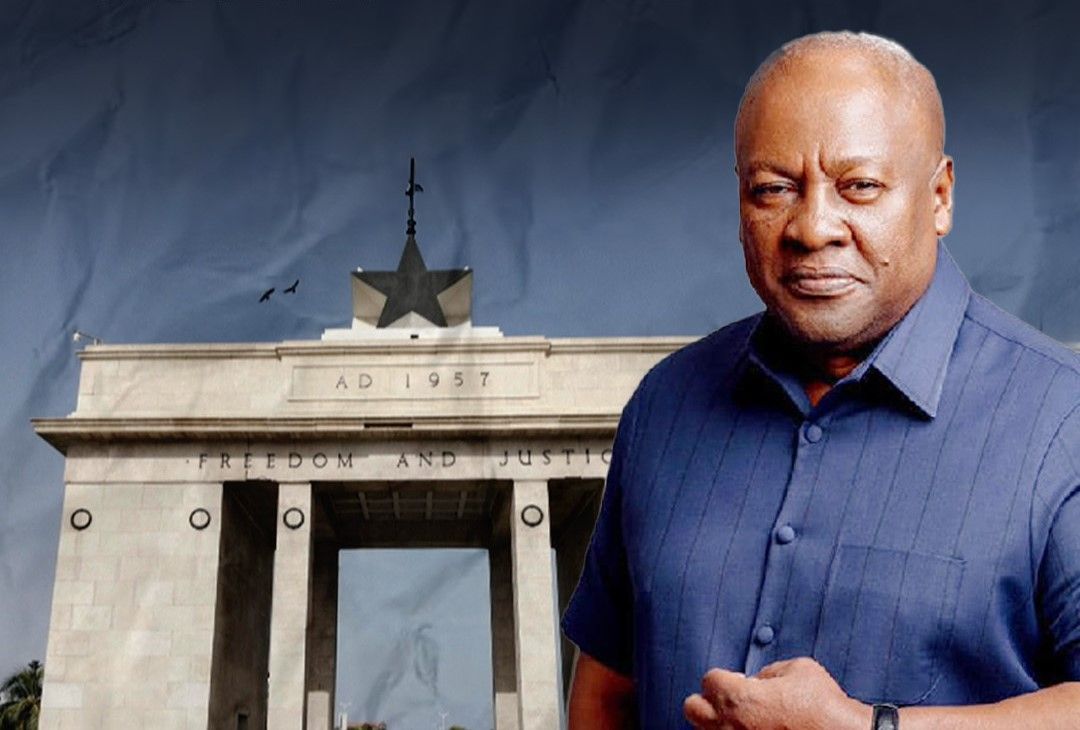
President John Mahama has called the project ''Green Digital City''.
It is expected to include industrial parks, financial services, tourism and residences, creating an administrative and commercial hub to absorb future growth and ease pressure on Accra.
Sceptics say building so close to Accra could be a costly fix that risks creating a massive suburb and complicating urban planning.
But the authorities say it is a great long-term plan. President Mahama has described it as a 20-year development.
The financial cost and start date for construction are not yet clear.
The discussion follows talks between Mahama and Egyptian President Abdel Fattah el-Sisi on the sidelines of the 8th African Union Mid-Year Coordination Summit in New El Alamein.
Mahama told Sisi that Ghana looks up to Egypt for inspiration.
Egypt launched its New Administrative Capital in late 2025 in the desert, roughly 45 kilometres east of Cairo, at around $58 billion, to decongest Cairo.
Egyptian inspiration
Ghana's Presidency says Mahama wants to draw on Egypt's "technical experience in developing mega-infrastructure projects" and "draw insights" from its implementation strategy.
Ghana has an estimated 35 million people, with nearly three million in Accra, which faces mounting pressure from rapid urbanisation, traffic congestion, inadequate infrastructure, recurring flooding and seismic risk.
Major earthquakes struck in 1862 and 1939, with tremors in recent years, including in 2022 and 2023. This history makes some experts and residents of the city apprehensive.
Accra became capital of the Gold Coast, Ghana's former name, in 1877 when British colonial authorities moved the capital from Cape Coast. It remained the capital after independence in 1957.
Almost 150 years later, it has outgrown the colonial city. Ghana is now looking beyond its historic capital, not to abandon Accra, but to create another urban centre capable of accommodating future growth.
A Kenyan man who had been living in the Democratic Republic of Congo has died after testing positive for the Bundibugyo strain, with 28 contacts identified.
As Israel heads towards crucial elections, fresh revelations about warnings preceding the Hamas attack revive questions over Netanyahu’s political calculations, his handling of the threat and the war that followed.