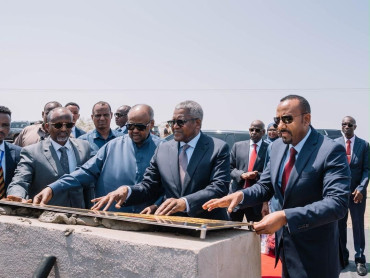
Djibouti Heads to Polls Amid Stability Claims and Democratic Concerns
Editor:
Halimatou HAMADOU DJIBO


Long-serving President Guelleh poised to extend decades-long rule as critics question electoral transparency and political freedoms.
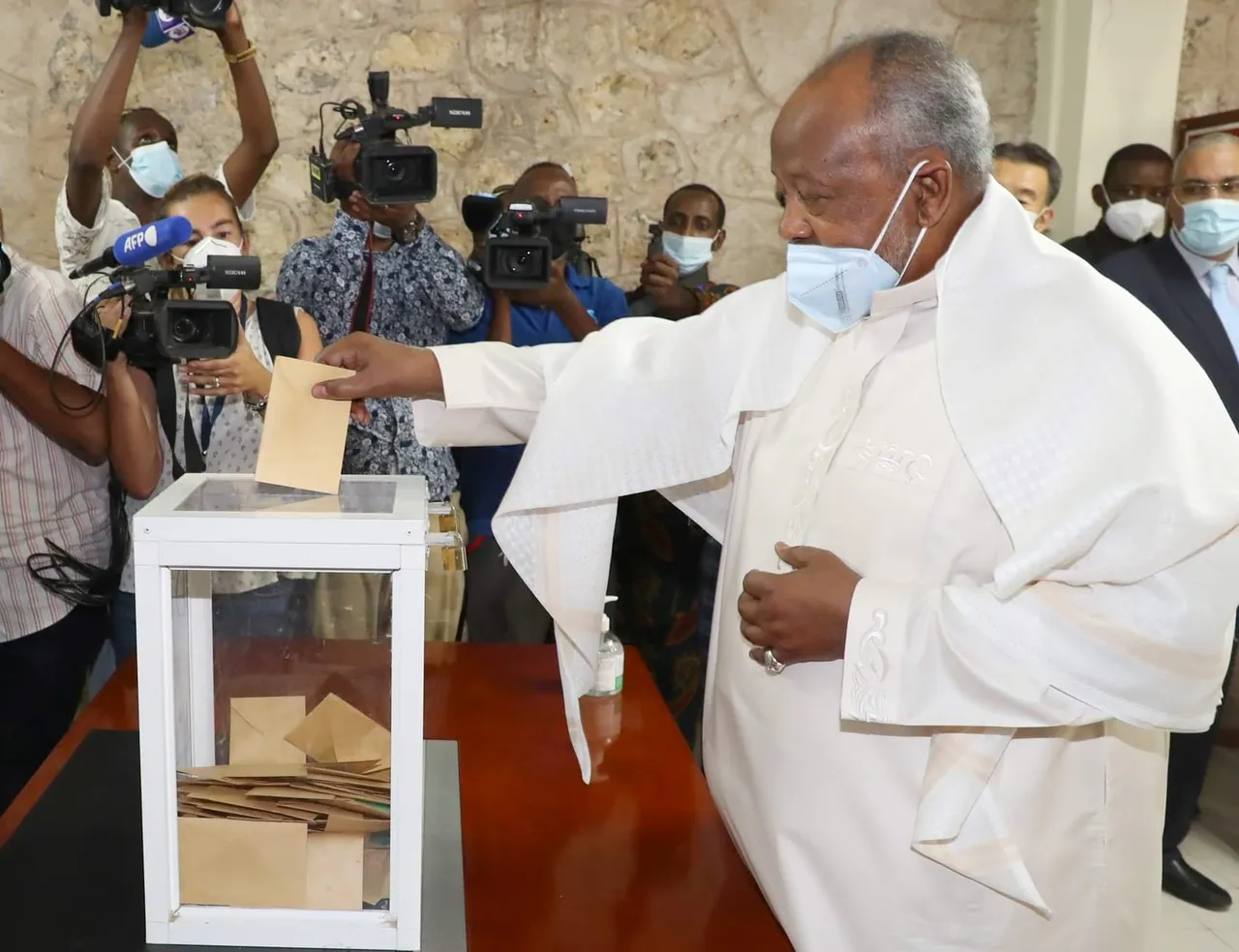
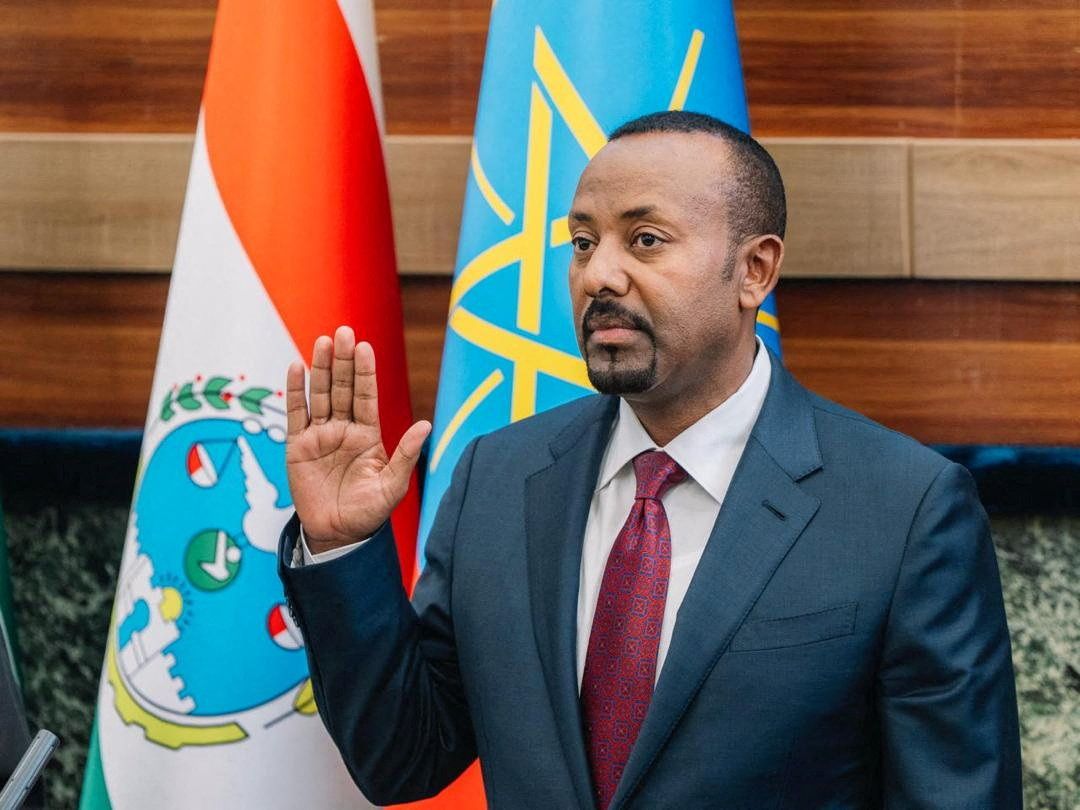
Djibouti has finalized preparations for its presidential election, with ballot papers and voting materials distributed nationwide ahead of a vote widely expected to secure another term for incumbent leader Ismaïl Omar Guelleh.
At 78, Guelleh—who has governed the country since 1999—faces a relatively unknown opponent lacking parliamentary representation, reinforcing perceptions of a largely predetermined outcome. The president continues to position himself as a pillar of stability in a volatile Horn of Africa region.
Djibouti’s geopolitical significance remains central to its political narrative. Strategically located along the Bab el-Mandeb Strait, the country has evolved into a major global military and logistics hub, hosting bases operated by international powers such as the United States, France, China, Japan, and Italy.
Despite this strategic prominence, the domestic political environment remains under scrutiny. Human rights groups and opposition figures have raised concerns over restrictions on press freedom and the suppression of dissent, with some critics describing the election as a “foregone conclusion.”
As voters prepare to cast their ballots, Djibouti stands at the intersection of competing narratives: one emphasizing stability and international relevance, and the other highlighting ongoing concerns over governance, accountability, and democratic integrity.



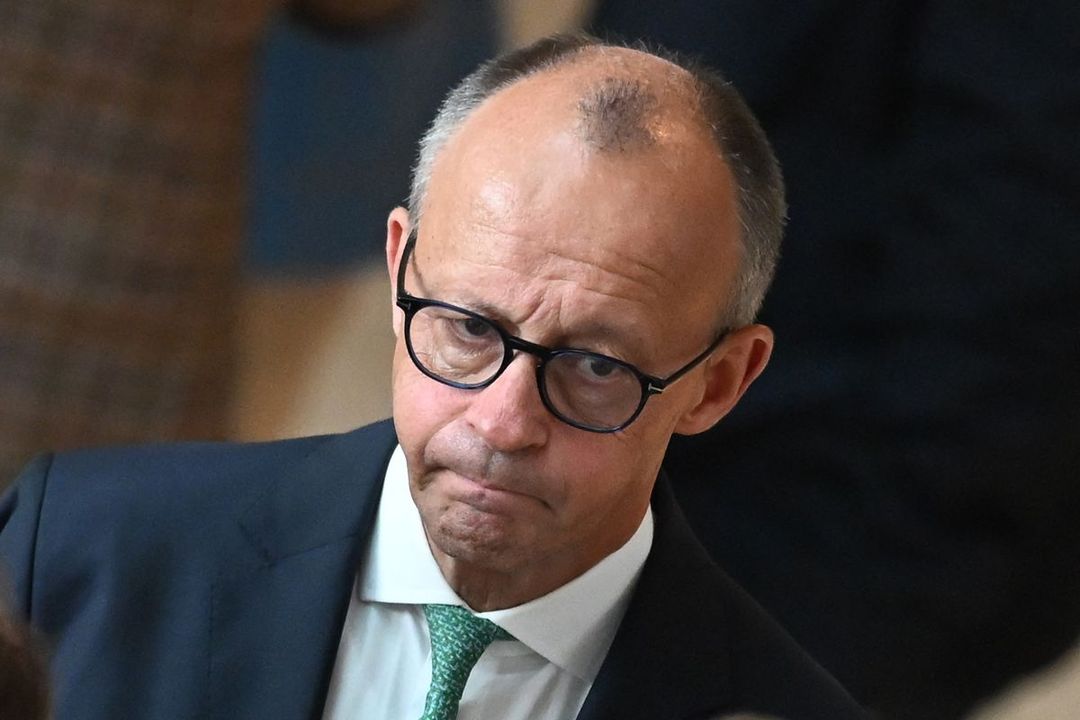
Merz warns extremism is entering German parliaments after AfD victory
The election of AfD lawmaker Tobias Rausch as Saxony-Anhalt’s state parliament president has intensified debate over Germany’s political firewall and put pressure on Chancellor Friedrich Merz.
Israel keeps Palestinian journalist Bushra al-Tawil in isolation for 46 days
Palestinian prisoners’ groups say Bushra al-Tawil has been repeatedly transferred between isolation facilities.
US colleges could face $70,000 fee per foreign student seeking work authorisation
DHS floats rule that could deal blow to colleges and universities that recruit international students for tuition revenue, as well as to tech firms and other industries that hire many of those students for technical roles.




All rights reserved. Newstimetr © 2026