Deadly Assault on Nigerian Base Highlights Escalating Insurgency Threat
Editor:
Halimatou HAMADOU DJIBO


Rising militant activity and international concern underscore the growing complexity of Nigeria’s security crisis.
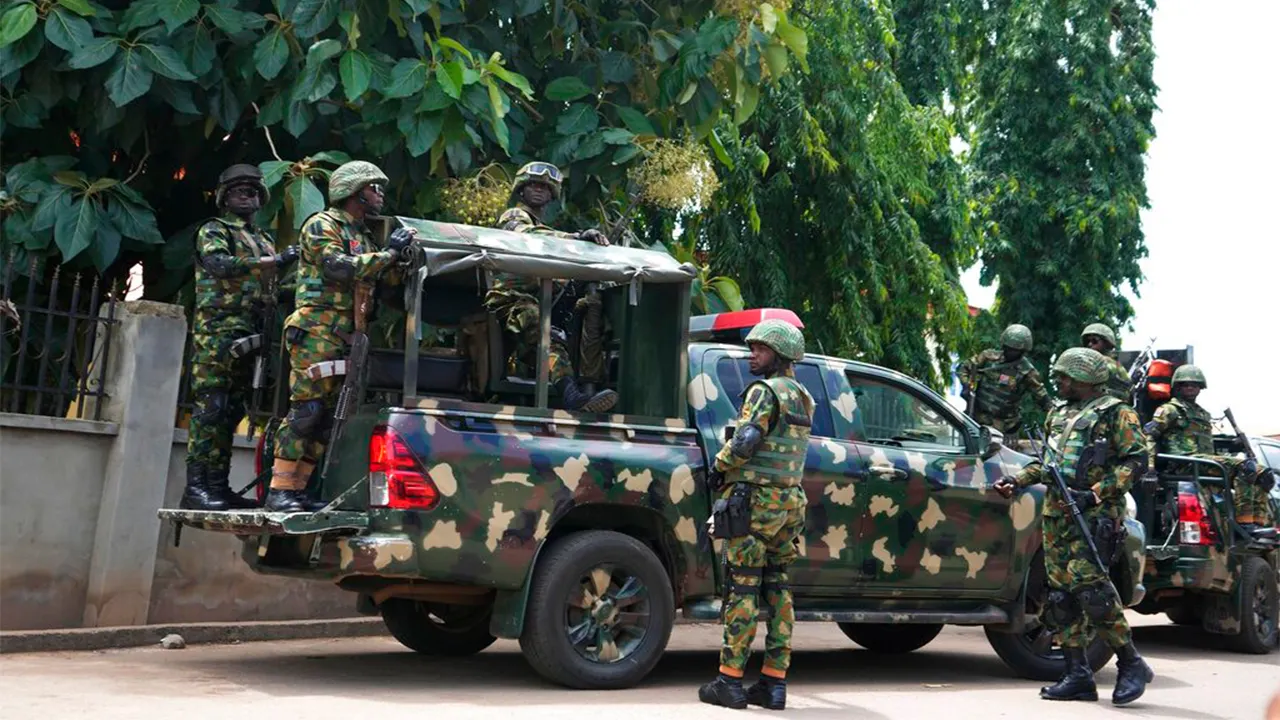
A deadly attack on a military base in Benisheikh, Borno State, has once again exposed the persistent threat posed by insurgent groups in northeastern Nigeria. According to army spokesperson Michael Onoja, the assault was successfully repelled, though it resulted in casualties among Nigerian forces.
Nigerian President Bola Tinubu confirmed the death of Brigadier General Oseni Omoh Braimah, along with several soldiers. While official figures remain undisclosed, media estimates suggest that at least 18 people were killed in the confrontation.
Tinubu described the attack as a sign of weakening insurgent groups under sustained military pressure, while honoring the fallen troops and reaffirming Nigeria’s commitment to restoring security.
The Nigerian military attributes the assault to extremist groups such as Boko Haram and Islamic State West Africa Province, both central actors in a decade-long insurgency that has destabilized the region. The security landscape has further deteriorated with the growing presence of Jama'at Nusrat al-Islam wal-Muslimin, signaling a dangerous expansion of militant networks into Nigeria.
Amid worsening conditions, the United States Department of State has authorized the departure of non-essential personnel from Abuja, citing heightened security risks. Meanwhile, the United States has deployed approximately 200 troops and surveillance drones to support Nigerian forces, focusing on intelligence-sharing rather than direct combat operations.
The ongoing conflict continues to exact a heavy humanitarian toll, with thousands of deaths and widespread displacement reported by the United Nations. Analysts warn that without stronger coordination and sustained efforts, the evolving insurgency could further destabilize not only Nigeria but the wider Sahel region.
Source: Newstimehub




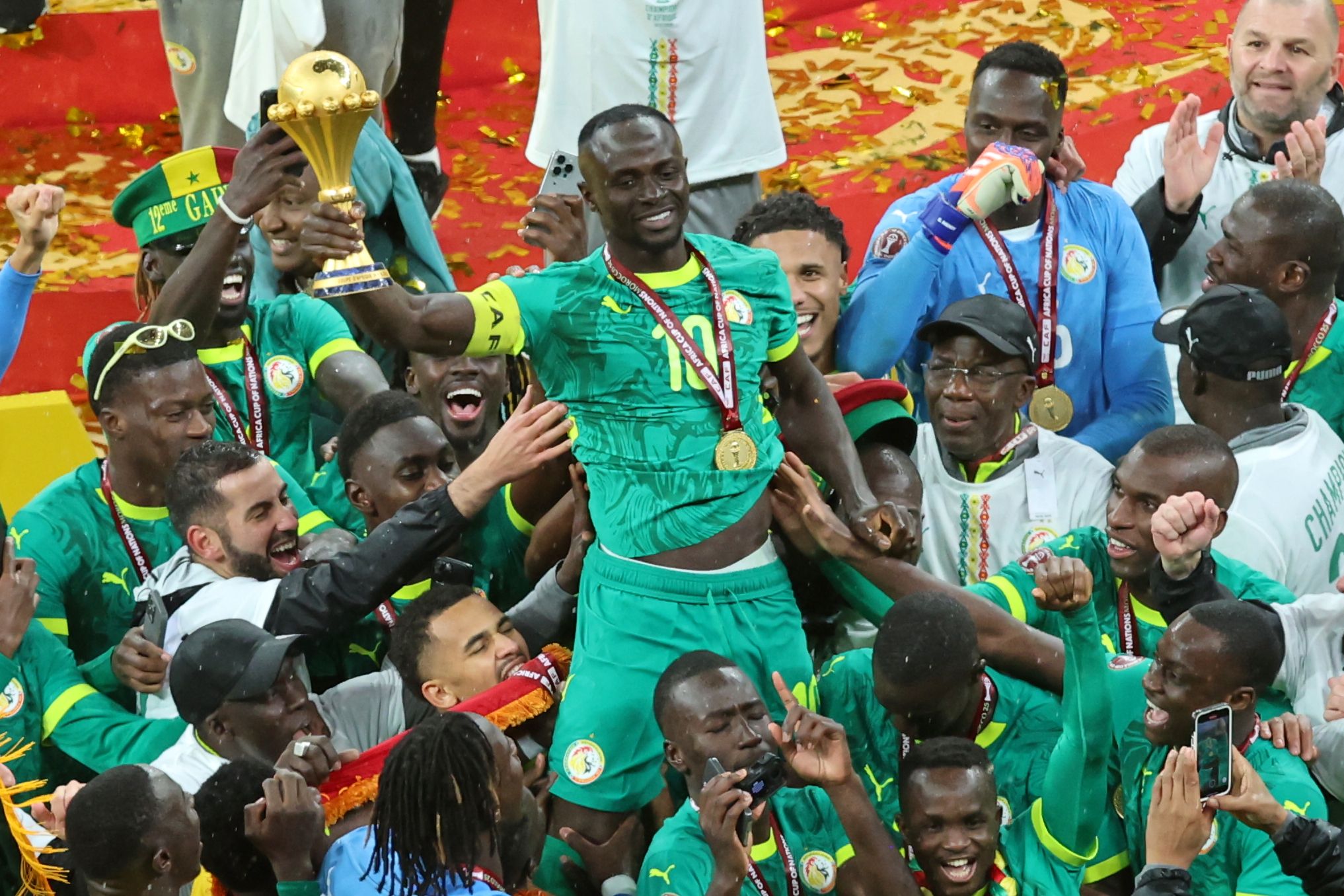
CAS to hear Senegal's appeal on 2025 AFCON title awarded to Morocco
Senegal are contesting the Confederation of African Football's decision to declare Morocco champions, despite Senegal beating the hosts 1-0 after extra time.
Kosovo swears in Shiroka-Pula as president, averting snap elections
Prime Minister Albin Kurti welcomes Shiroka-Pula's election, describing it as a sign of institutional stability.
Merz warns extremism is entering German parliaments after AfD victory
The election of AfD lawmaker Tobias Rausch as Saxony-Anhalt’s state parliament president has intensified debate over Germany’s political firewall and put pressure on Chancellor Friedrich Merz.




All rights reserved. Newstimetr © 2026