Why Somaliland's recognition cannot change Somalia's reality
Editor:
Halimatou HAMADOU DJIBO
Breaking news, opinions, features, in-depth analysis and visuals from TRT Afrika, 24/7
By Fiqi Abdirizak Omar
On 26 December 2025, as the year drew to a close, Somali citizens were caught by surprise when Israel's Prime Minister announced the recognition of Somaliland, which is a semi-autonomous region in Somalia.
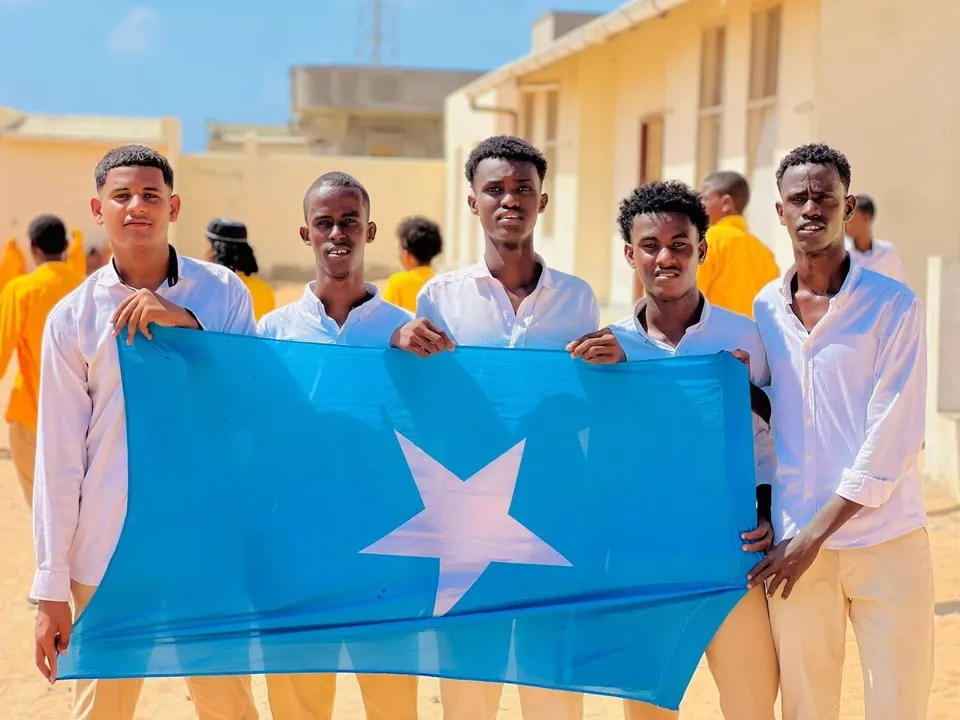
While some Somalis celebrated in ecstasy over this historic declaration, others expressed serious concerns about potential further fragmentation in the country.
However, as time passed, it became abundantly clear that Israel's move did little more than reaffirm Somalia's long-standing position: Somalia remains a single, unified state.
Israel broke what many nations perceived as an "unbroken rule." Throughout the Somali Civil War from 1991 to early 2000’s, Somaliland's persistent push for recognition was largely met with skepticism due to strategic caution.
The apprehension of exacerbating instability in an already volatile region was a grave concern for stakeholders across the international community.
Situated along one of the world's busiest shipping lanes, with direct implications for trade and security, maintaining the status quo was seen as the prudent choice over experimentation.
Despite these prevailing risks, Israel proceeded with its declaration. The informal nature of the announcement, conducted via a video call and without consulting key partners, appeared to be a deliberate choice by the Israeli administration.
By moving forward unilaterally without global consensus, Israel prioritised its own strategic interests over the broader international legal framework that has consistently recognized Somalia’s sovereignty and territorial integrity.
The Somali Minister of Defense Ahmed Moalliim Fiqi was among the most vocal in expressing concern. In an interview with Al-Jazeera, he stated that his government confirmed “Israel is pursuing a covert plan to forcibly relocate Palestinians to the separatist region of Somaliland.”
At another event, he suggested Israel was seeking to establish a military base near the Bab al-Mandeb Strait to project its military presence. He characterized the situation as one in which Somalia’s internal dynamics were being manipulated to serve external geopolitical interests in the Horn of Africa.
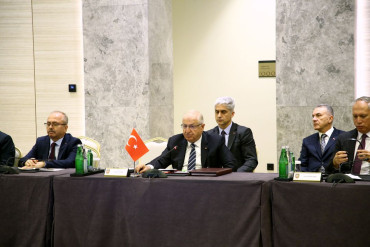
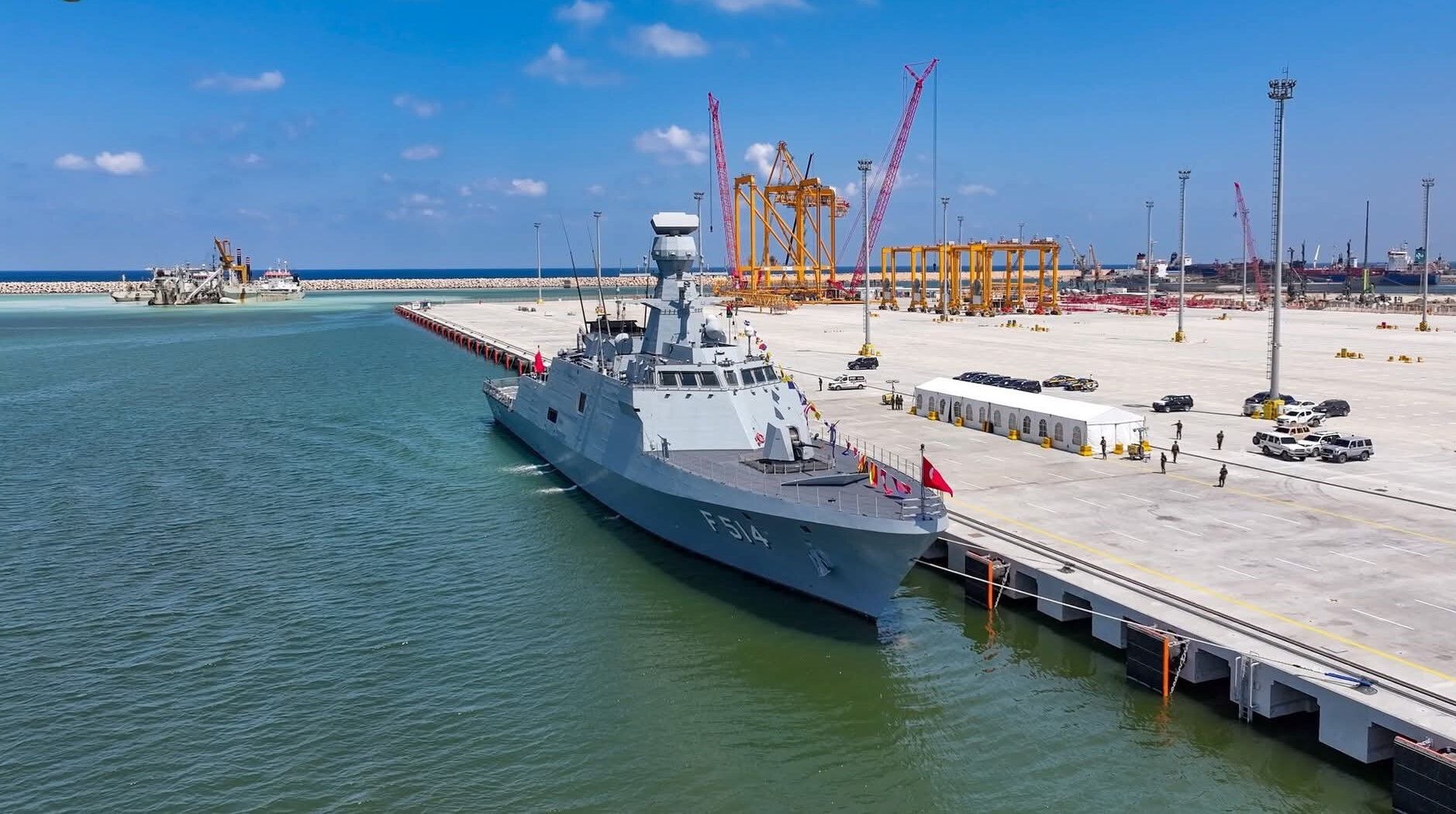
However, many of Somalia’s partners rejected Tel Aviv’s move. Türkiye, which has played a prominent role in Somalia’s state-building and reconstruction process, emphasized that any steps concerning Somalia and its northern region must reflect the will of the Somali people.
During a joint press conference in Cairo with Egyptian President Abdel Fattah el-Sisi, Turkish President Recep Tayyip Erdoğan reiterated that Ankara does not acknowledge unilateral decisions that undermine Somalia’s unity.
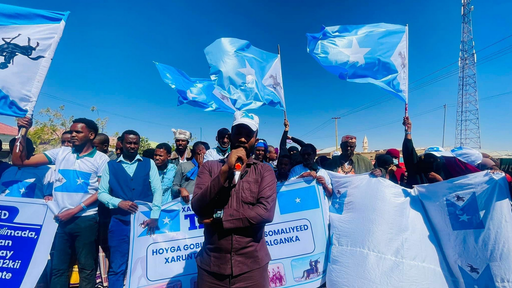
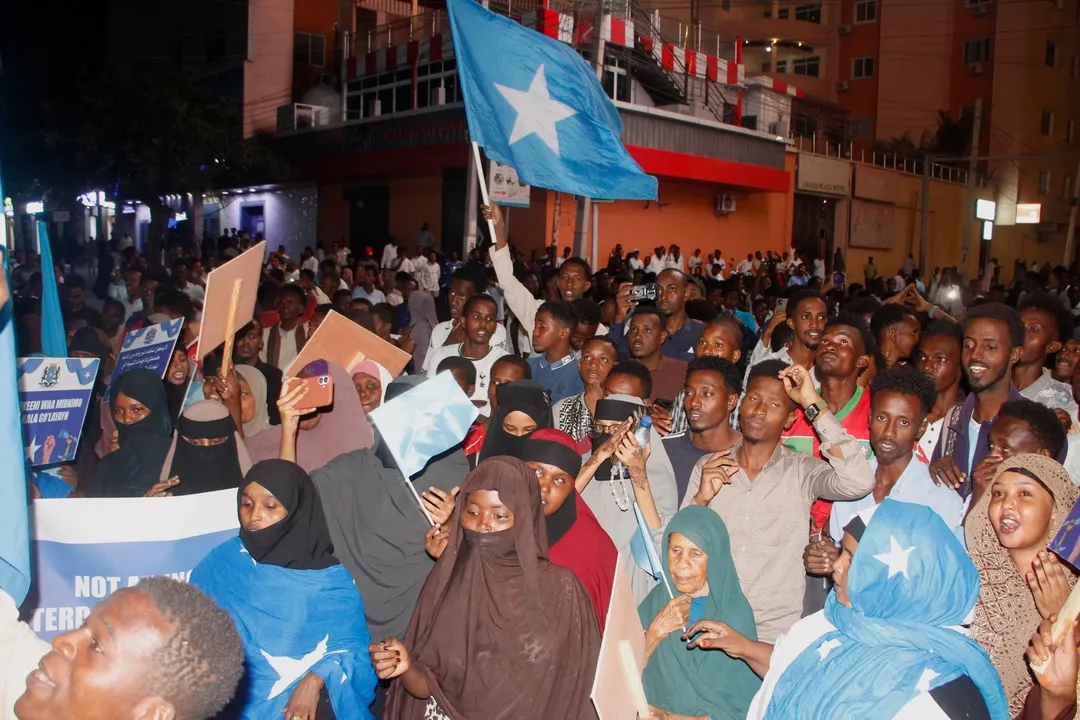
Diplomatic declarations, while dramatic, cannot substitute for legitimacy rooted in local consent. In Somaliland’s Awdal region, the announcement of normalization with Israel was met with immediate disapproval.
Hundreds of Borama residents took to the streets in protest, viewing the recognition as externally driven and disconnected from local aspirations. These protests reflected longstanding grievances over political and economic marginalization, including concerns over inequitable budget allocations and limited development planning from Hargeisa.
The administration responded by deploying security forces to suppress demonstrations, resulting in the arrest of clerics and several youths. Rather than consolidating authority, the events deepened tensions.
In early 2026, Somali Federal lawmakers representing Awdal, alongside local leaders, announced the formation of Guban State and aligned the new entity with Somalia’s central government.
Meanwhile, in another region claimed by Somaliland, SSC-Khaatumo reconstituted itself as the North Eastern (NE) State of Somalia and consolidated its position within Somalia’s federal framework. The institutional process, which began in early 2023, was finalized with the attendance of Somalia’s president and senior federal officials at its inauguration.
These developments clarified a central reality: Somaliland does not exercise uncontested authority across the territories it claims. In both Awdal and the North Eastern State, local communities aligned themselves with Somalia’s federal system, reinforcing the argument that domestic legitimacy remains the cornerstone of political authority.
At the federal level, this position was declared unambiguously. President Hassan Sheikh Mohamud emphasized: “Somalia’s territorial integrity is non-negotiable. Any attempts to undermine it will not succeed, and all disputes must be resolved within the framework of our federal constitution.”
Multiple global bodies including the AU, EU, EAC, IGAD, OIC, and GCC—underscored Somalia’s unity as a central priority. Even Israel’s staunch ally, President Donald Trump, reaffirmed the United States’ commitment to the One-Somalia policy during the UN emergency session on December 30, 2025. European and African states echoed this stance, signaling that unilateral recognition does not alter established legal or political norms.
In the weeks that followed, Somaliland’s leadership sought to transform Israel’s declaration into broader diplomatic leverage. Their appearance at the World Economic Forum (WEF) in Davos was presented domestically as a diplomatic breakthrough. In reality, the visit revealed the limits of Somaliland’s international standing.
According to diplomatic sources, the trip had been prearranged through Israeli facilitation, aimed at gaining access to influential networks and projecting the appearance of growing recognition. Irro was not formally invited to participate in official WEF sessions or proceedings.
The most notable outcome of the visit was a side meeting and dinner, ironically, with representatives from Israel, the only country to have formally recognized Somaliland. Photographs from these encounters, including images with Israeli President Isaac Herzog, were circulated to project diplomatic momentum.
Another figure present at the dinner was Eric Trump, son of U.S. President Donald Trump. His presence did not represent an official shift in Washington’s position. On the contrary, the United States reaffirmed its longstanding One-Somalia policy at the United Nations Security Council emergency meeting just days after Israel’s declaration.
No European country signaled support for fragmentation. No African Union member state endorsed the move. Davos did not translate symbolic recognition into institutional legitimacy.
Israel’s recognition treated a fragmented and disputed territory as though it were a consolidated state. In reality, Somaliland’s authority remains contested in key regions. The consolidation of the North Eastern State within Somalia’s federal system and the formation of Guban State illustrate that domestic consensus across Somaliland’s claimed territories is far from settled.
Davos ultimately underscored a fundamental truth: international legitimacy cannot be manufactured through informal diplomacy, external patronage, or photo opportunities. The international system continues to recognize Somalia as a sovereign, unified state. Any durable political settlement must therefore emerge through Somali-led dialogue within the country’s constitutional framework.
This episode reaffirmed that Somalia’s territorial integrity remains intact and that external gestures cannot override political realities on the ground. If Somaliland seeks genuine legitimacy, the path forward lies in negotiated engagement that respects Somalia’s sovereignty. Until then, claims to statehood will remain fragile and unsubstantiated.
The author, Fiqi Abdirizak Omar, is a Horn of Africa political analyst




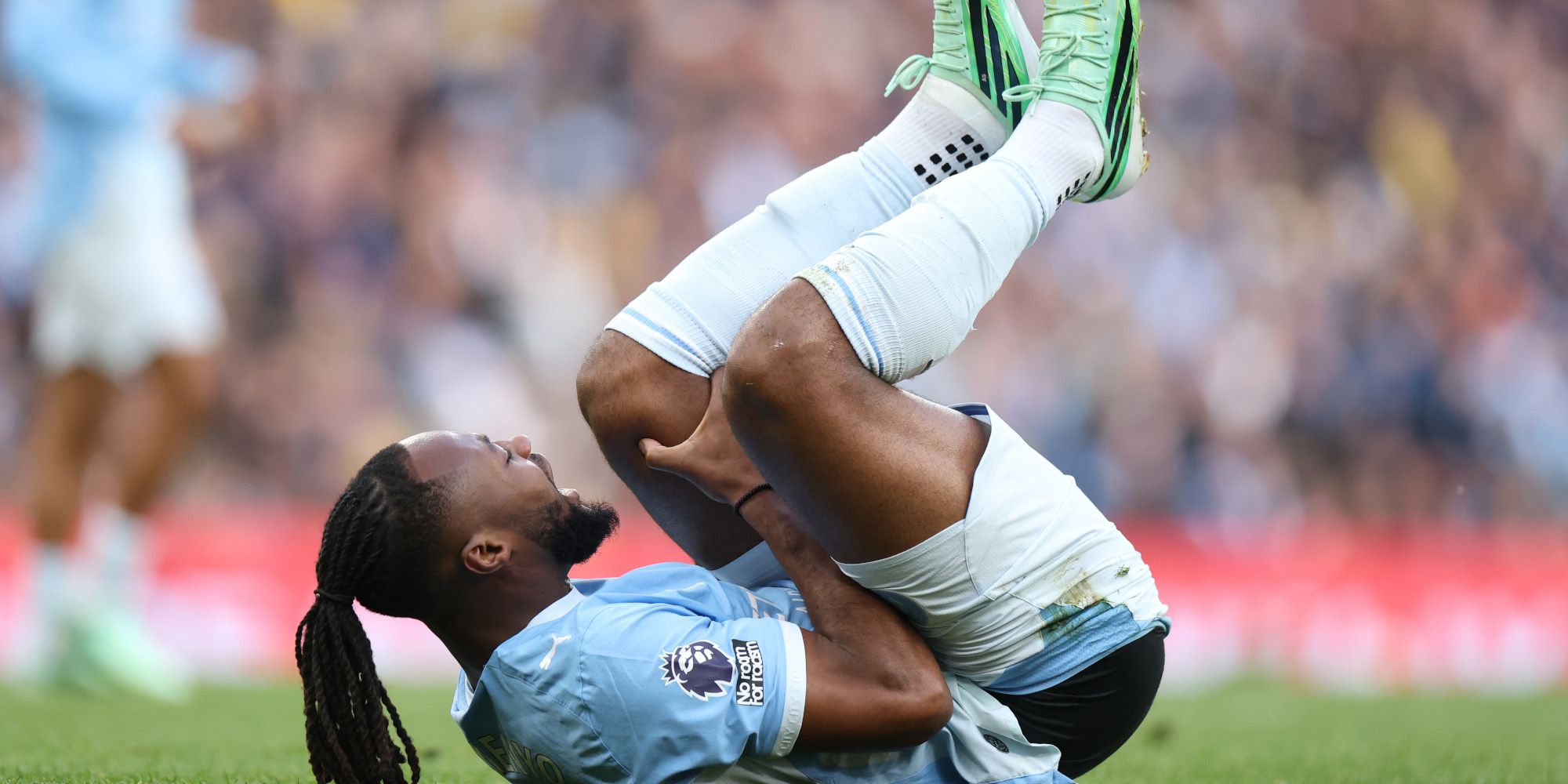
Ghana forward Semenyo ruled out for eight weeks with injury
Semenyo's absence is a setback for City as they navigate a busy run of domestic and European fixtures.
South Africa's ex-president Mbeki denies interference in apartheid-era cases
Former South Africa's President Thabo Mbeki is facing allegations of secret talks with former military generals to secure a clandestine agreement to avoid prosecution.
US-Africa trade: Ramaphosa tells South Africa to brace for AGOA exclusion
President Cyril Ramaphosa said the impact on jobs would be "devastating" and he has been travelling around the world to explore alternative markets.




All rights reserved. Newstimetr © 2026