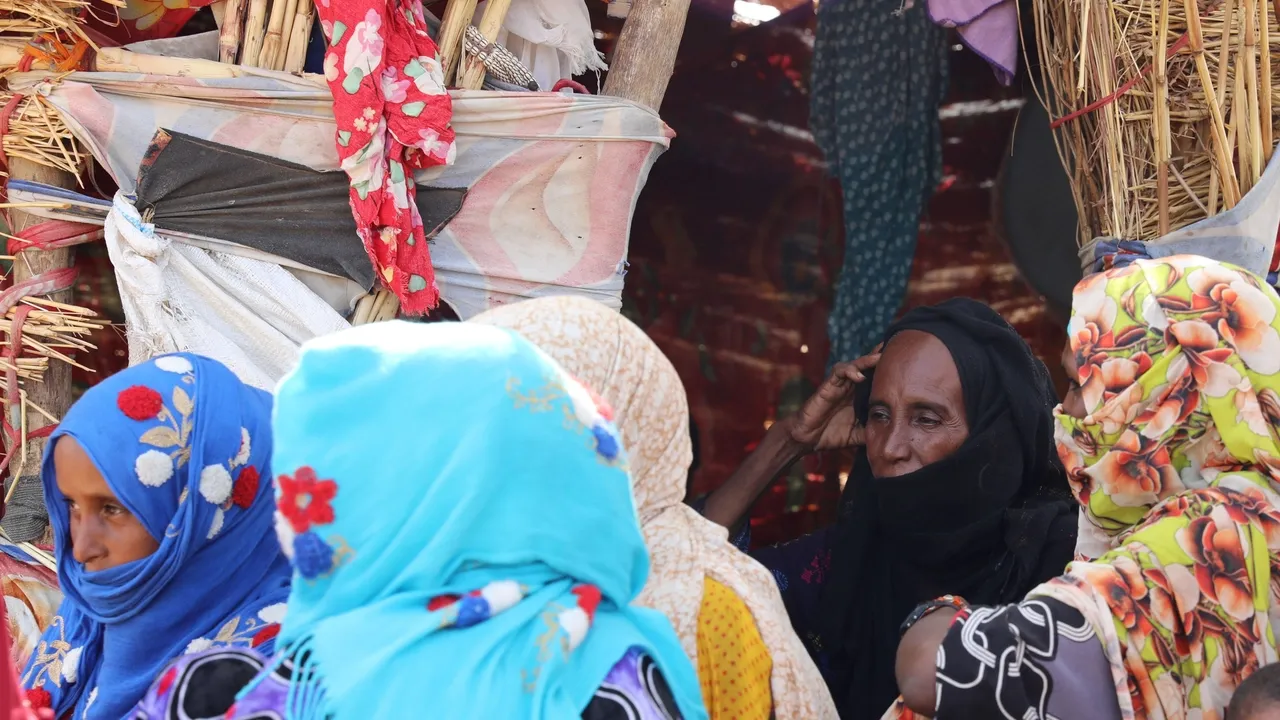
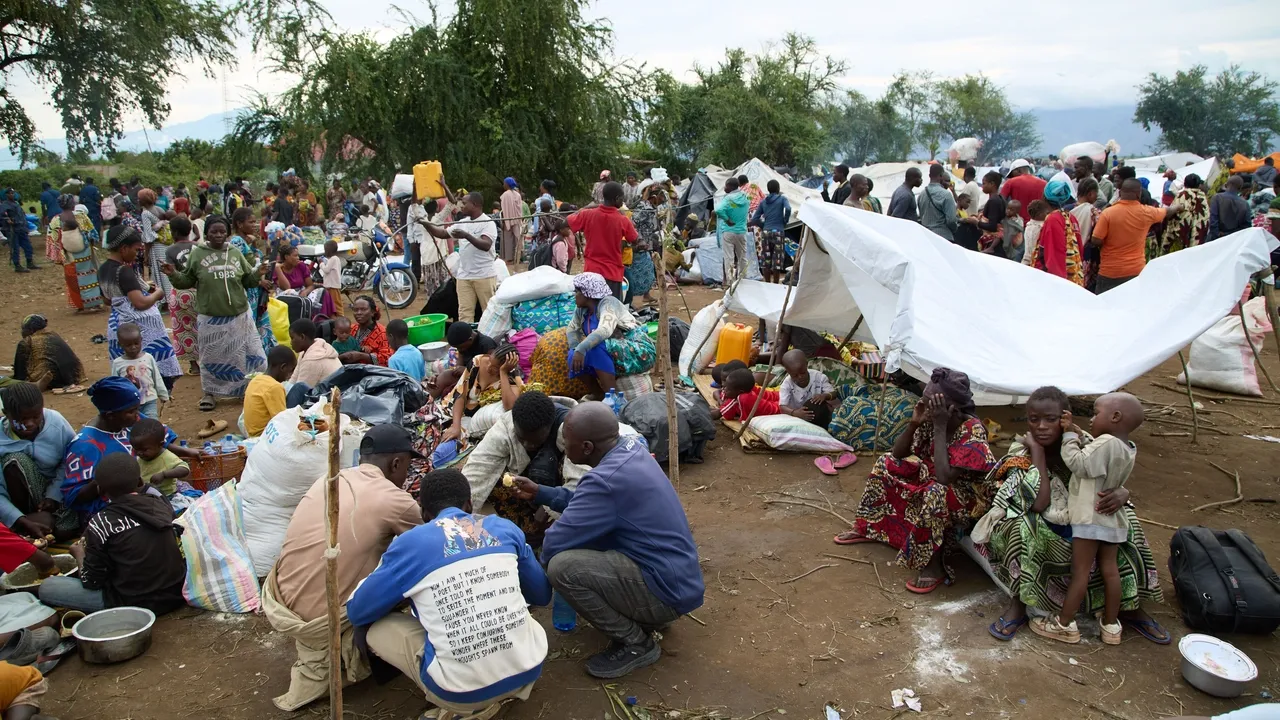
The United Nations has raised the alarm about a displacement crisis in the central Sahel where nearly four million people have been forced to flee their homes in Burkina Faso, Mali, and Niger.
The United Nations has raised the alarm about a displacement crisis in the central Sahel where nearly four million people have been forced to flee their homes in Burkina Faso, Mali, and Niger.
The number is more than double that of six years ago, the UN refugee agency (UNHCR) said on Friday. It includes 818,000 refugees and asylum seekers, it added.
"The crisis is being compounded by continued attacks affecting civilians, climate-related shocks, and severe humanitarian funding shortfalls," the UNHCR said in a statement.
In 2020, the UNHCR said the region had counted more than 1.7 million internally displaced people and 365,000 refugees.
International attention 'receding'
"Together, these pressures are forcing more families to flee, eroding livelihoods, and limiting opportunities for displaced people to rebuild their lives, contributing to further movements within and beyond the region," Abdouraouf Gnon-Konde, UNHCR's regional director for west and central Africa, said.
"Unfortunately, the international attention is receding," he added in Geneva, following a visit to the region.
Gnon-Konde further said that insecurity was ramping up pressure on the asylum system. In Mali, most refugees come from neighbouring Burkina Faso.
According to the UNHCR, Koro, in the central Bandiagara region of Mali near the border with Burkina Faso, hosted some 86,000 Burkinabe refugees – including more than 14,000 children – in July, after several recent influxes.
More displacements registered
The UN agency said the number of refugees in the area was now nearly equal to that of the local host community, heaping pressure on already limited land and water resources and overwhelming health services.
It warned the crisis was increasingly spreading beyond the central Sahel, with hundreds of thousands of people displaced to coastal West Africa, including Benin, Côte d'Ivoire, Ghana, and Togo. But the UNHCR faces a severe funding shortfall. In September, it estimated it had only received 27% of the funding necessary to cover its work in the Sahel.
Bab al-Mandeb is a strategic location where goods move between markets of Asia, Arabia, Europe and America, before finding their way to Africa, Fighting in the area means higher transportation cost through South Africa's Cape of Good Hope.
The former UN human rights chief led commission that concluded Israel committed genocide in Gaza; Nobel committee honors her contributions to international justice.