Ghana moves to regulate growing electric vehicle sector
Editor:
Tuğçe Nur Kaya


Operators, under the proposed regulations, would be required to comply with provisions governing battery collection and recycling.
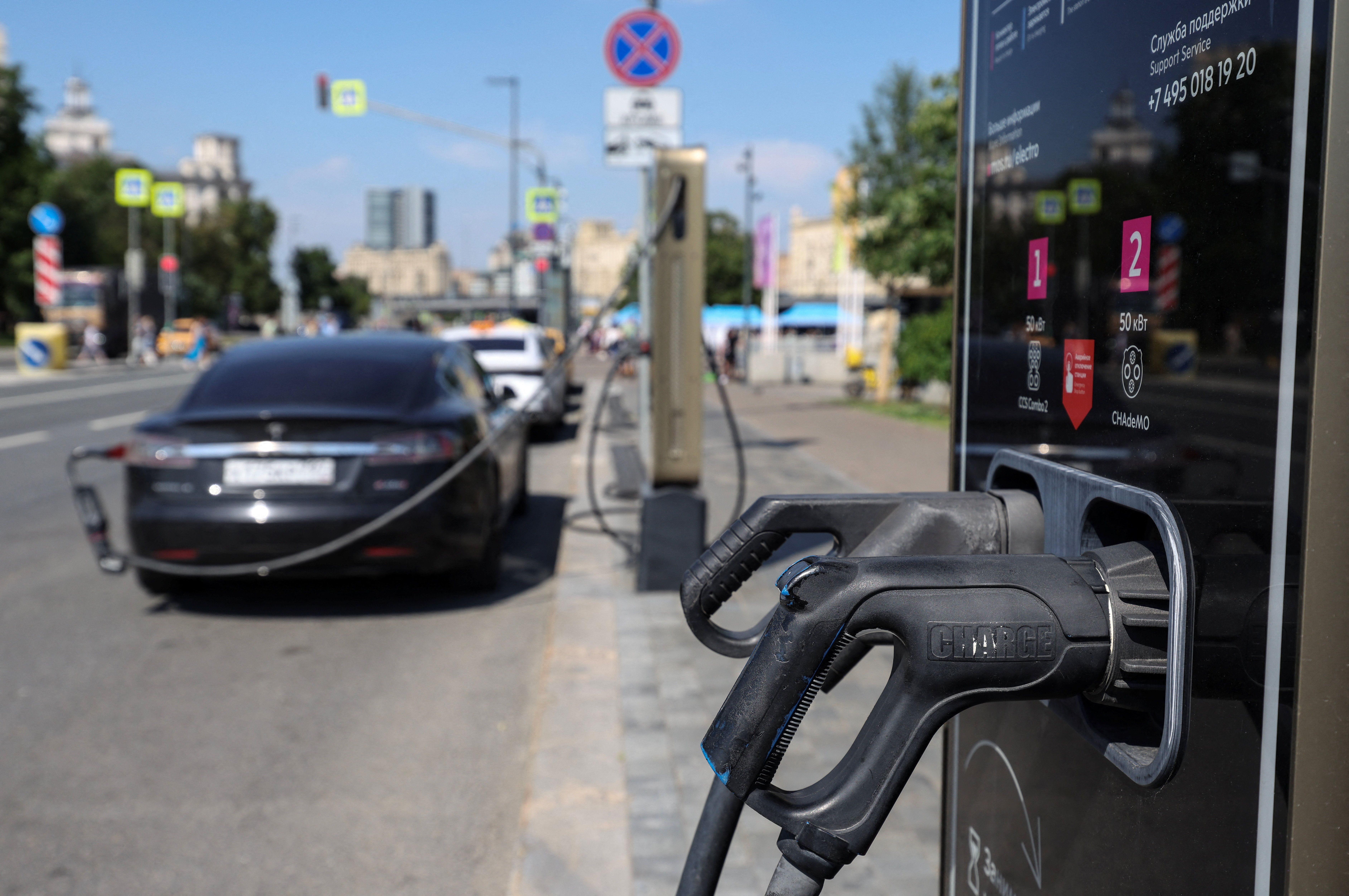
Ghana is moving to regulate its growing electric vehicle (EV) charging sector, with new rules for charging stations and battery-swapping systems awaiting parliamentary approval, the Energy Commission has said.
The commission said it had completed the regulations as the number of electric vehicles entering the country increased, raising the need for charging infrastructure and clear operating standards.
Joyce Caitlyn Ocansey, coordinator of the commission’s Drive Electric Programmes, told the Ghana News Agency that the regulations were intended to ensure charging infrastructure kept pace with the adoption of electric vehicles.
The commission, working with the Ministry of Transport, has also developed standards for electric cars, motorcycles and tricycles intended for the Ghanaian market.
Emerging sector
Ocansey said the commission was working with relevant institutions to ensure the emerging sector operated within a clear regulatory framework.
The rules also address the management of used EV batteries to prevent environmental risks as the market expands.
Ocansey said batteries could be recycled or repurposed for other uses, adding that the commission would support the Environmental Protection Agency (EPA) in enforcing requirements for hazardous and electronic waste management.
Under the proposed regulations, operators would be required to comply with provisions governing battery collection and recycling. Licensed agents would be responsible for recovering, recycling, repurposing and eventually disposing of batteries in line with EPA requirements, she said.
The commission also sees opportunities for investment in charging infrastructure as electric mobility expands.
Ocansey said it had completed a market opportunity study to guide potential investors, while the government was considering solar-powered EV charging stations.
Establishing a regulatory framework would provide greater clarity for investors and operators, she said.
The commission said it would continue working with the Transport Ministry and other relevant institutions to support the development of electric mobility in Ghana.





Powerful hailstorm blows roofs off at least 8,500 homes in southern Zimbabwe
Zimbabwe's President Emmerson Mnangagwa has declared a state of disaster in areas affected by a heavy hailstorm, which damaged more than 17,000 buildings and completely blew off the roofs of over 8,500 houses in the southern province of Masvingo.
Nigeria nears 2,000 repatriations from South Africa after latest evacuation flight
Another 105 Nigerians arrived in Lagos from South Africa last Friday, bringing to 1,926 the number repatriated since June following xenophobic attacks, the foreign ministry said on Tuesday.
Gunfire hits UNIFIL position in southern Lebanon
UNIFIL launches investigation and warns attacks on peacekeepers may amount to "war crimes."




All rights reserved. Newstimetr © 2026