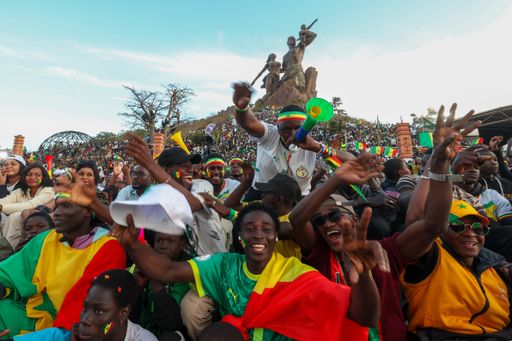
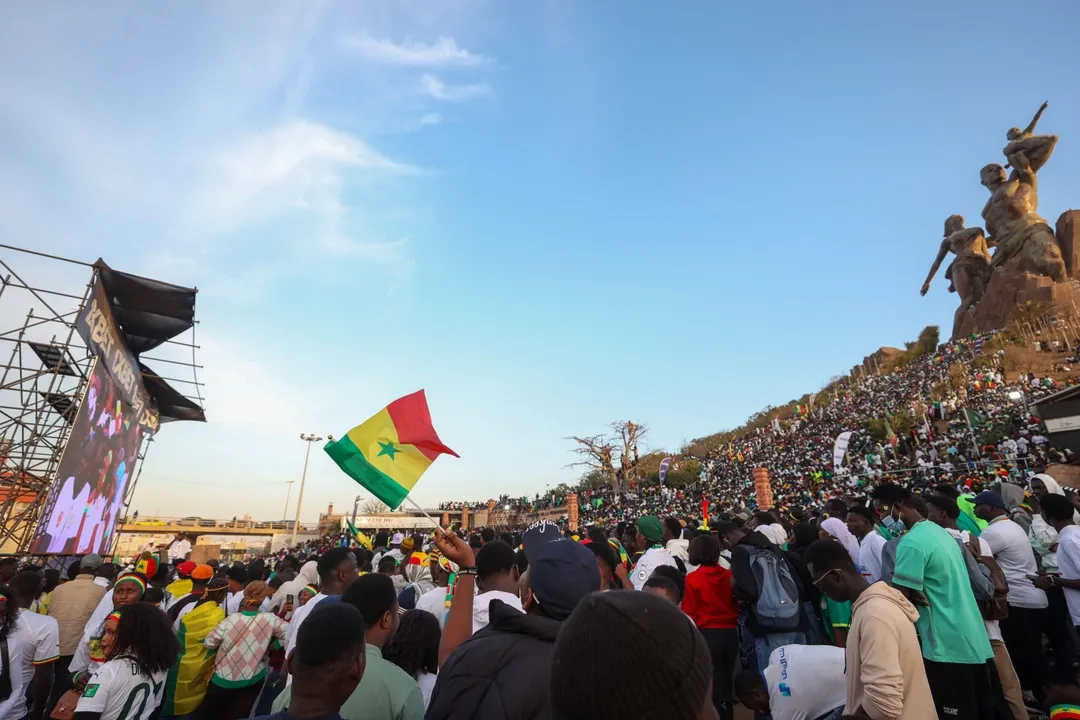
Thousands gathered at the African Renaissance Monument in Dakar to jubilate the country’s second AFCON trophy in its history
Senegal has erupted into unprecedented celebrations following their win of the Africa Cup of Nations, beating the hosts, Morocco, 1-0 in the final.
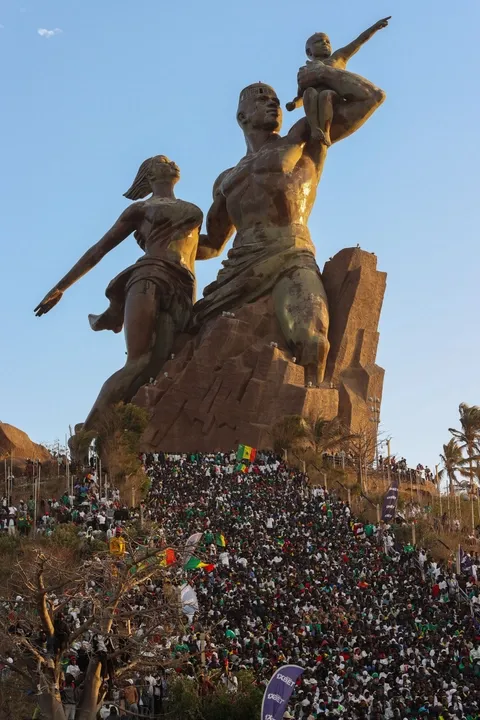
However, the biggest magnet for football fans in the West African country is the iconic African Renaissance Monument in Dakar.
Thousands gathered to jubilate the country’s second AFCON trophy in its history, with President Bassirou Diomaye Faye declaring a public holiday on Monday, 19 January.
So, why is the African Renaissance Monument in Dakar significant?
Well, it is a massive monument that's hard to miss in Senegal. Standing at 52 metres, it is Africa's tallest statue.
It is made of bronze and copper, depicting a family – man, woman and child, symbolising African dignity, strength, and a brighter future.
The monument was designed by Senegalese architect Pierre Goudiaby Atepa and built by North Korean company Mansudae Overseas Projects.
It was inaugurated in 2010 after nearly three years of construction work, costing around $27 million during the leadership of then-President Abdoulaye Wade.
The gigantic structure was built to serve as a symbol of decolonisation, commemorate Africa’s independence, and celebrate the continent’s vibrant culture.
The monument is part of a larger cultural complex, with museums, art galleries, and more.
It has become a popular tourist spot and a major landmark in Dakar, with local and foreign visitors climbing to its top for amazing views of the city and the ocean.
The African Renaissance Monument attracts hundreds of thousands of visitors annually, with December to January being the peak visiting season.
The iconic monument is a big deal, serving as a symbol of African pride, a reminder of the continent's rich culture, and a source of revenue for Senegal.
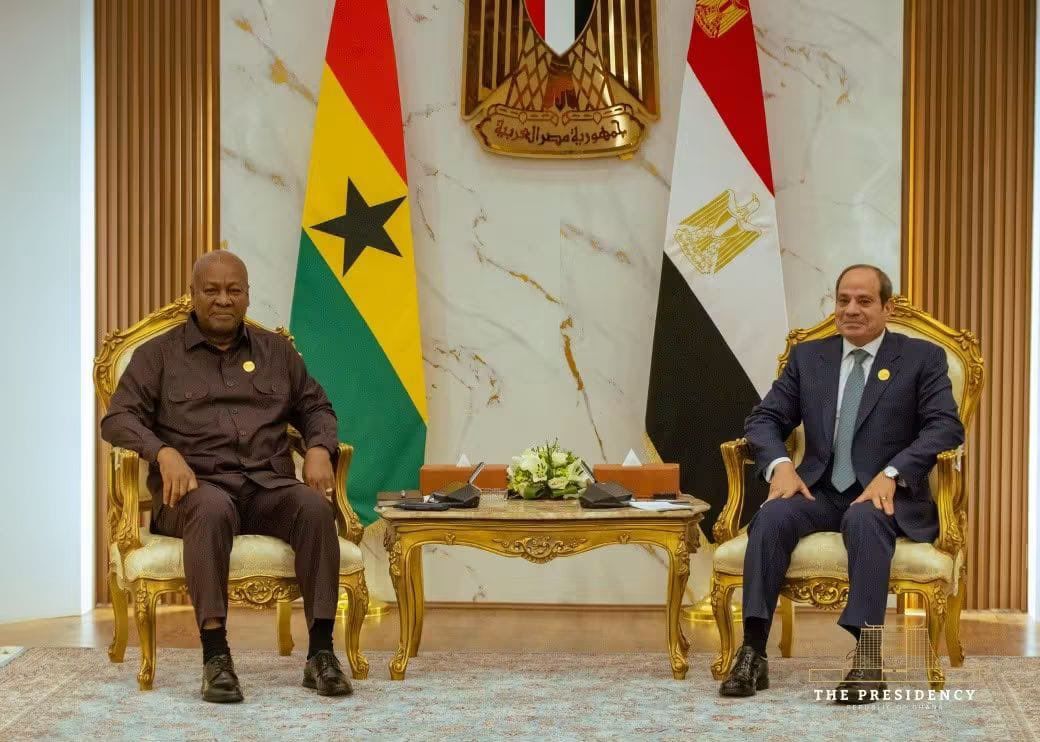
President John Mahama and Egypt's Abdel Fattah el-Sisi reaffirm the historic ties between their two nations and pledged to deepen cooperation in key strategic sectors.
The passenger aircraft was on a "routine mission" from Benin City in southern Nigeria to the economic hub of Lagos when it went down, the president's spokesperson said.