Security Wall Plan Deepens Divisions in Cape Town
Editor:
Tuğçe Nur Kaya


Anti-crime strategy faces backlash over inequality and long-term effectiveness
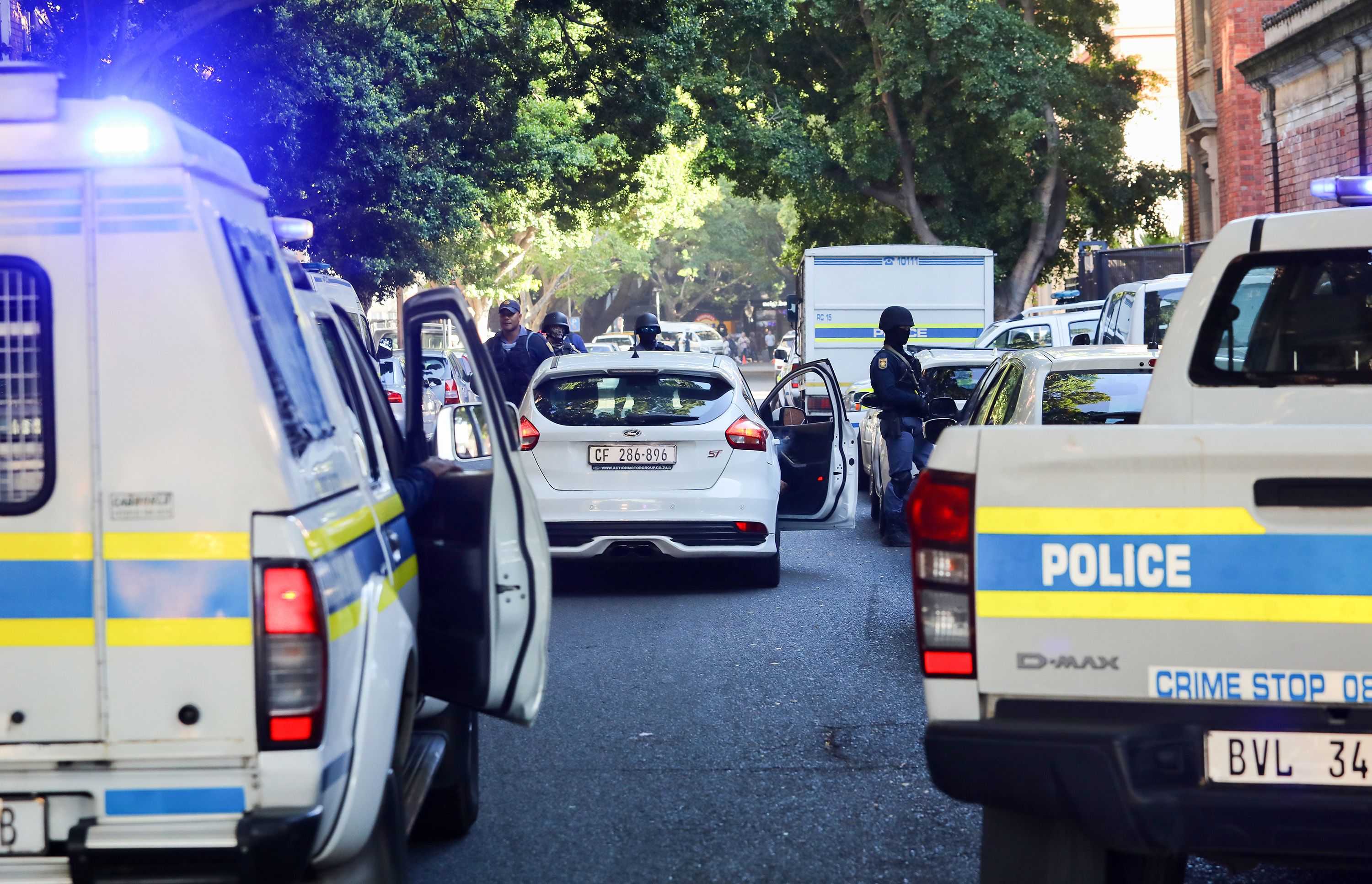
A controversial plan to build a multi-million-dollar anti-crime wall along the N2 highway in Cape Town is fueling intense debate, as authorities push urgent security measures while communities question their broader impact.
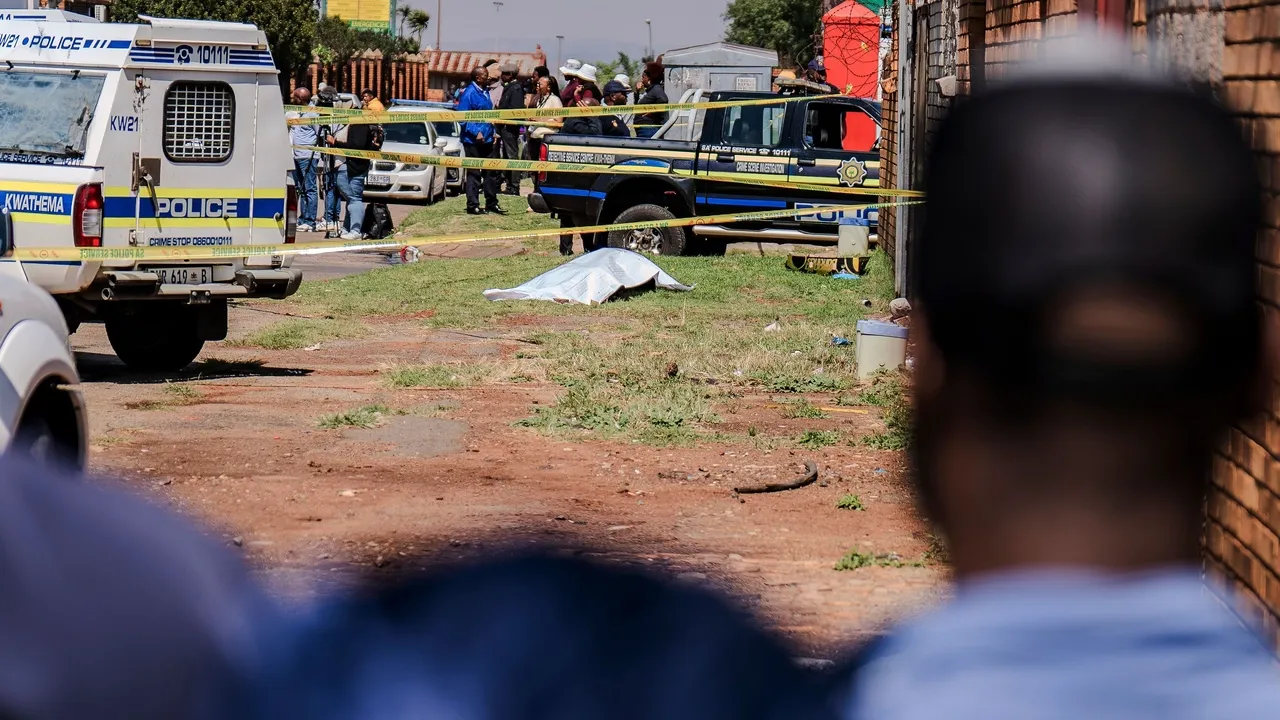
Valued at $7 million, the project aims to address a surge in violent crime, including hijackings and roadside robberies. Yet in nearby Nyanga, one of the country’s most affected areas, crime continues to rise sharply, with recent figures pointing to increased robberies and a 29% spike in murders.
Officials defend the three-metre barrier as a necessary step to secure one of the city’s busiest roads. However, residents and community leaders argue that the initiative overlooks the root causes of insecurity—namely poverty, inadequate infrastructure, and insufficient policing.
Critics warn that the wall risks worsening social divides, with some drawing parallels to apartheid-era spatial segregation. Instead of improving safety within communities, they argue, the project may simply conceal visible inequality from public view.
Calls are growing for more sustainable solutions, including improved sanitation, expanded surveillance systems, and stronger law enforcement—particularly to protect vulnerable populations.
Meanwhile, the planned deployment of around 800 soldiers to crime hotspots, including the Cape Flats, highlights the urgency of the crisis, even as questions persist over whether such measures can deliver lasting change.
Source: Newstimehub






Canada’s Carney to make first bilateral visit to Türkiye
The October 21-23 trip will focus on defence, energy, critical minerals and trade as Ottawa seeks to deepen ties with a key NATO and G20 partner.
Quarter million protesters rally across France over school conditions
Hundreds injured as some protests turn violent, with demonstrators clashing with police who respond with tear gas and riot-control rounds.
Brussels Airport warns of 140 flight cancellations as strike looms
Ground-handling staff at Alyzia are expected to join nationwide protests against Belgian government measures, disrupting flights and public transport across the capital.



All rights reserved. Newstimetr © 2026