
Governments revive COVID-era measures to curb fuel use amid Middle East tensions
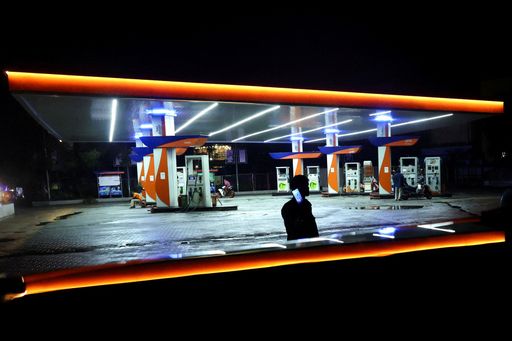
As global oil prices surge amid escalating tensions in the Middle East, several Asian nations are turning once again to remote work and energy-saving policies to shield their economies from growing strain.
Countries such as Indonesia, Vietnam, Thailand, and the Philippines are rolling out hybrid work systems, online education, and reduced administrative operations to limit fuel consumption and ease pressure on national energy supplies. These measures echo strategies first adopted during the COVID-19 pandemic.
Indonesia estimates that reduced commuting alone could cut fuel usage by up to 20%, while Vietnam has urged businesses to implement work-from-home practices following sharp increases in fuel costs. The Philippines has gone further by declaring a national energy emergency, while Pakistan has introduced stricter measures, including partial remote work mandates and temporary school closures.
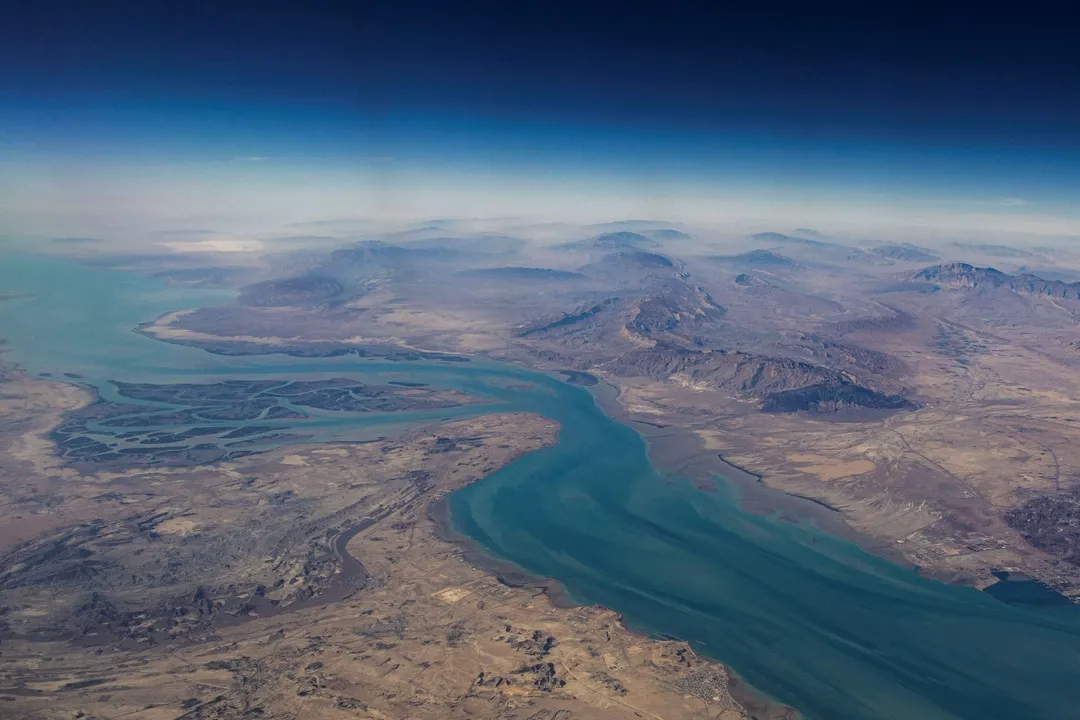
The policy shift comes as global energy markets face disruption due to the ongoing conflict involving Iran, the United States, and Israel. The situation has significantly impacted the Strait of Hormuz, a key transit route for global oil, contributing to rising shipping costs and increasing volatility in energy prices.
The developments illustrate how geopolitical crises are increasingly shaping domestic economic policies, forcing governments to act swiftly to maintain stability.
Source: Newstimehub


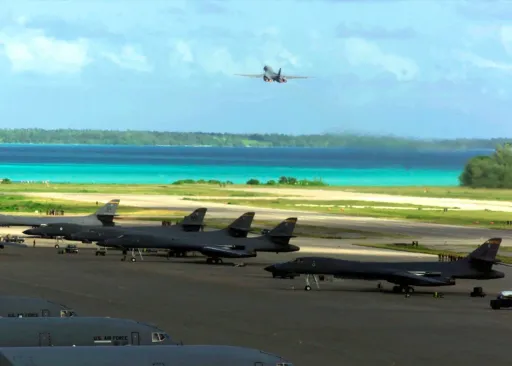
Mauritius condemns missile attack on Diego Garcia base
Port Louis calls the launch of missiles towards the Diego Garcia base a violation of international law and urges diplomacy.
Ghana Pushes UN to Recognise Slave Trade as Crime Against Humanity
Draft resolution aims to strengthen reparations efforts and address historical injustices
Namibia rejects Starlink licence request
Namibia said on Monday it had rejected a request for billionaire Elon Musk's Starlink to operate its satellite internet services in the country, dealing the company a second setback in Southern Africa.