Sport
- Sport
- World
- Insight
- Africa
- Business
- Life
- Türkiye
- Business & Technology
- Pauline Odhiambo
- Politics
- Charles Mgbolu
- Arts & Culture
- War On Gaza
- Business & Technology
- Guinness World Record For The Longest Chess
- Cryptocurrency Trading Platform
- Arts & Culture
- Sylvia Chebet
- The Record Attempt Kicked Off On April 17th
- Despite Efforts To Stop The Killings.
- Emmanuel Oduor
- Climate Change
- Semblance Of Security Returns
- Medicinal Plants
- Firmain Eric Mbadinga
- Kategori bulunamadı
- Nuri Aden
- Burna Boy Has Worked To Carve A Unique Space For Himself
- Dayo Yussuf
- Edward Qorro
- Sudan Begins Rebuild Of Khartoum Amid Devastating Civil War
- Chess Federation
- Millicent Akeyo
- From Onana To Kudus: African Stars Missing At Afcon
- Egypt Recorded 19 Million Tourists In 2025: Minister
- Brian Okoth
- Died At The Age Of 54
- Staff Reporter
- Coletta Wanjohi
- Nairobi: Flash Floods Kill 23, Disrupt Flights At Major Airport
Rising fuel costs and weaker currencies threaten to fuel inflation in import-dependent economies.
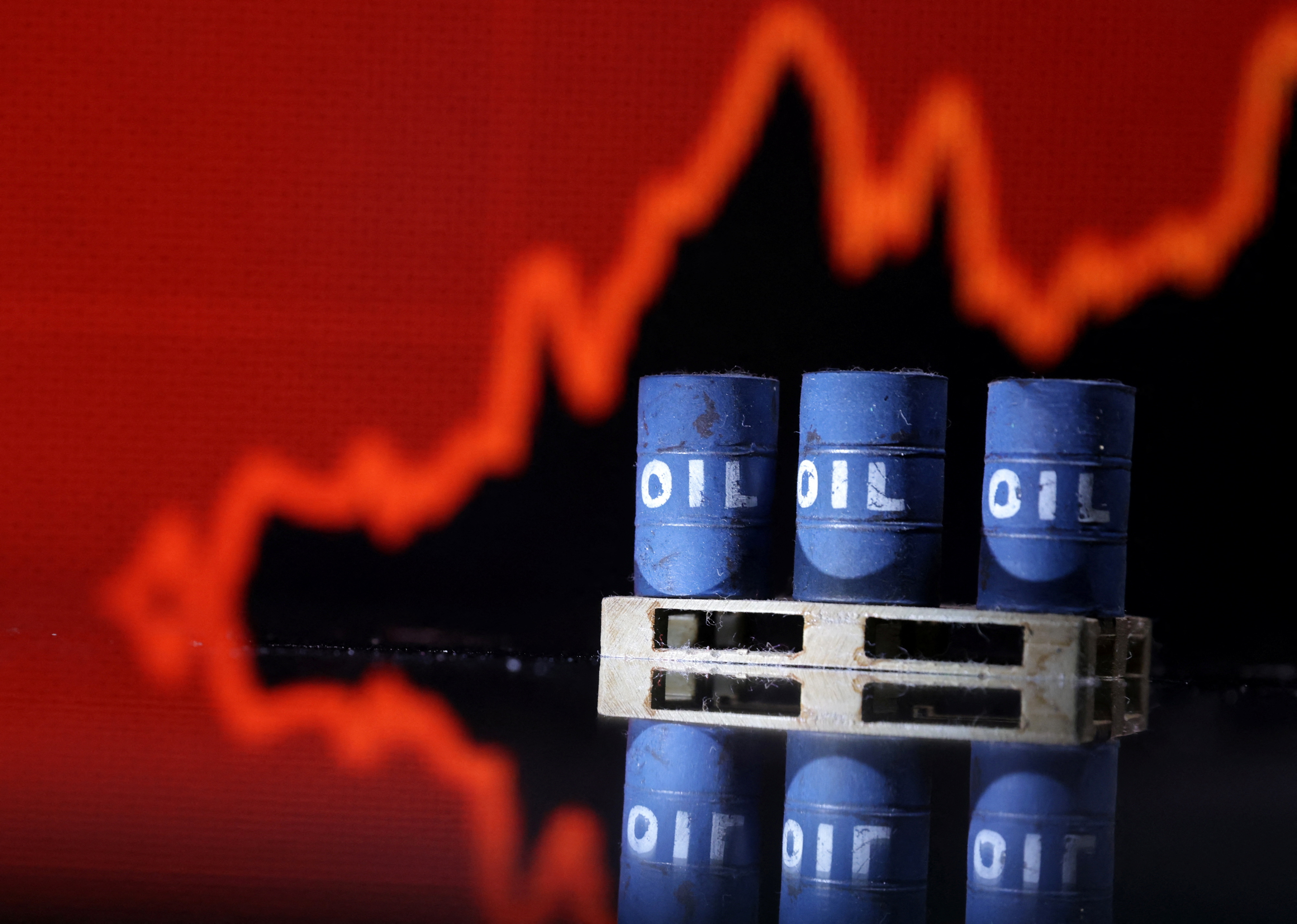
Rising global oil prices linked to the conflict involving Iran are beginning to affect African economies, increasing concerns about higher fuel costs, inflation and currency instability.
Many African nations rely heavily on imported petroleum products, leaving them particularly exposed to supply disruptions tied to tensions in the Middle East — a region central to global oil flows.
According to Nick Hedley, an energy transition analyst at Zero Carbon Analytics, the continent’s dependence on imported fuel makes its economies vulnerable to global price shocks. As oil prices climb, investors often move funds into safe-haven assets such as the U.S. dollar, putting additional pressure on local currencies.
This combination can significantly affect import-dependent economies like Kenya and Ghana, where rising fuel prices quickly translate into higher transport costs and broader consumer inflation.
Oil markets remain particularly sensitive to developments around the Strait of Hormuz, a strategic maritime route through which roughly one-fifth of the world’s crude oil supply passes.
While higher crude prices could benefit African exporters such as Nigeria, Angola, Algeria and Libya, analysts say the immediate impact for most households will likely be higher living costs.
Economists also warn that countries already facing fiscal pressure or operating under programmes supported by the International Monetary Fund could experience additional strain as energy import bills increase and foreign currency reserves come under pressure.
Over the longer term, analysts believe the crisis could accelerate efforts by African governments to diversify energy sources and strengthen energy security through investments in domestic production and renewable energy.
Source: Newstimehub
Comments
No comments Yet
Africa
Africa Steps Up Fight to Eliminate Leprosy
- 09 March 2026
- 1 Views
Nigeria Calls for Release of 42 Citizens Detained in Mozambique
- 09 March 2026
- 2 Views
Deadly Floods Hit Kenya After Heavy Rains
- 08 March 2026
- 8 Views
African Union Urges Action to Protect Women and Girls
- 08 March 2026
- 7 Views
Latest News
Vifo vya Mafuriko Kenya Vafikia 42 Baada ya Mvua Kubwa
- 09 March 2026
- 3 Views
Wakulima wa Kakao Afrika Magharibi Wakabiliwa na Mgogoro wa Bei
- 09 March 2026
- 3 Views
Africa Steps Up Fight to Eliminate Leprosy
- 09 March 2026
- 1 Views
Vita Mashariki ya Kati Vyasukuma Bei ya Mafuta Zaidi ya $100
- 09 March 2026
- 4 Views
Comment