
Nigeria has entered a phase of economic consolidation after two years of reforms that helped steady inflation, stabilise the currency and lift investor confidence, Finance Minister Wale Edun said on Thursday.
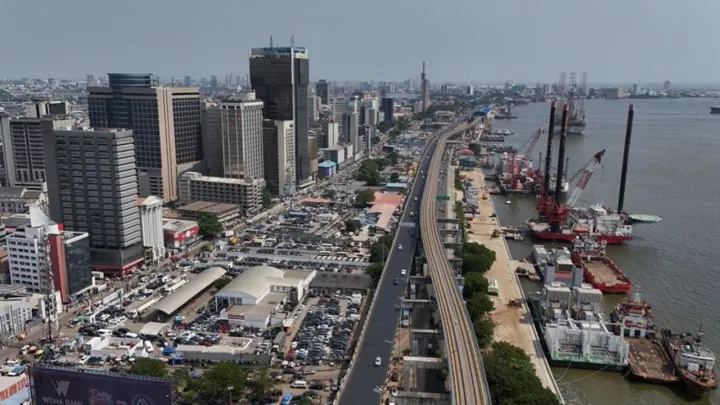
Nigeria has entered a phase of economic consolidation after two years of reforms that helped steady inflation, stabilise the currency and lift investor confidence, Finance Minister Wale Edun said on Thursday.
Since taking office in 2023, President Bola Tinubu has rolled out one of Nigeria's most ambitious economic overhaul in decades by ending costly fuel and energy subsidies, twice devaluing the naira currency and changing the tax system to boost public finances.
Speaking at the launch of a national economic outlook report for the new year, Edun said Nigeria had reached a turning point after a challenging transition marked by subsidy removal and exchange-rate unification.
Inflation had eased to 14.45% in November from 33.18% a year earlier, while the naira firmed below 1,500 per dollar, Edun said, adding that growth averaged 3.78% in the first nine months of 2025 and foreign reserves rose to $45.5 billion. The stock market also jumped nearly 60% year‑on‑year.
Treasury controls
"Nigeria cannot afford to pause or retreat. The task now is to turn stability into sustained, inclusive and job-rich growth," Edun said.
He forecast 4.68% growth in 2026, with inflation averaging 16.5% and the naira stabilising at around 1,400 per dollar, and sought to calm concerns over Nigeria's 152 trillion naira public debt, saying the jump reflected greater transparency and exchange-rate adjustments rather than new borrowing.
He said 30 trillion naira reflected unrecorded central bank "Ways and Means" support and 49 trillion naira came from forex revaluation. Even so, he said Nigeria's debt-to-GDP ratio sits at 36.1%, below regional and global averages.
Reforms this year will target digitalising revenue collection, stricter treasury controls and pro-poor tax measures to cushion low-income households.



Putin, Ramaphosa discuss Russia-South Africa ties at BRICS summit
President Cyril Ramaphosa thanked Russian President Vladimir Putin for supporting South Africa’s G20 presidency and said bilateral trade could be expanded.
Gambia bans unauthorised protests after unrest over power cuts
Gambia's police chief said that any violation of the order will be met with necessary force.
Equatorial Guinea's new capital, Ciudad de la Paz, aims to reach full potential
The government justified the location of the capital to Ciudad de la Paz by citing the space around it for expansion, but the moving-in process has been slow.