
Civil society groups call on World Bank Group to redirect billions from industrial livestock to sustainable, community-led food systems
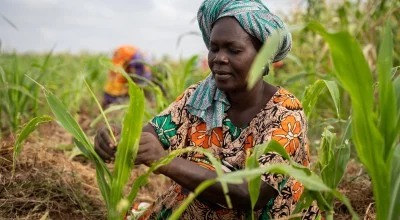
A growing international campaign is calling on the World Bank Group and its private-sector arm, the International Finance Corporation, to rethink their agricultural investment strategy in Africa. The movement, supported by more than 30 civil society organizations, advocates for a shift away from industrial livestock production toward smallholder-driven, sustainable food systems.
Timed alongside the World Bank and IFC spring meetings in New York, coordinated actions across 25 countries highlight concerns over the continued financing of large-scale factory farming. Campaigners argue that such investments—amounting to billions of dollars—are linked to environmental degradation, biodiversity loss, public health risks, and rising food insecurity.
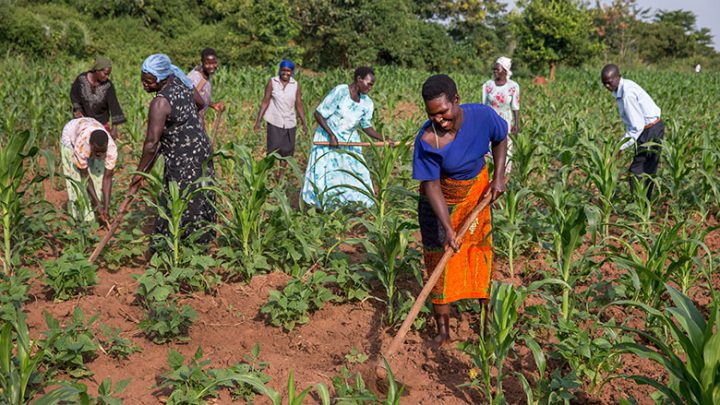
At the heart of the proposal is agroecology, a nature-based approach that emphasizes soil health, crop diversity, water conservation, and community knowledge. Advocates stress that Africa’s traditional food systems, led by smallholder farmers, pastoralists, and fishing communities, already produce the majority of the continent’s food and offer a more resilient alternative to industrial models.
According to campaign data, the World Bank Group invested approximately $1.4 billion in industrial livestock between 2023 and 2024, while the IFC approved nearly $2 billion in similar projects from 2020 to 2025. Sub-Saharan Africa alone accounted for a significant share of these investments, raising concerns about their long-term impact on local economies and ecosystems.
Critics warn that large-scale farming operations tend to concentrate wealth, marginalize local producers, and increase environmental pressures. In contrast, redirecting financial flows toward community-based systems could strengthen food security, reduce inequality, and enhance climate resilience.
With the World Bank planning to expand its agribusiness portfolio to $9 billion annually by 2030, and the IFC reviewing its environmental and social standards, campaigners see a critical opportunity to reshape global agricultural financing in favor of sustainable development.
Source: Newstimehub



Morocco's PAM Party wins most parliamentary seats after low voter turnout
The election drew a turnout of 38 percent, marking the lowest level in almost two decades.
Western support for slavery reparations growing: Ghana foreign minister
The UN passed a resolution in March recognising trans-Atlantic slavery as "the gravest crime against humanity"
Uganda's debt rises to $37.1 billion on higher domestic borrowing
The central bank has previously expressed concern over the rising debt.