African heritage: The timbila musical instrument of Mozambique
Editor:
Halimatou HAMADOU DJIBO


The orchestras consist of five to thirty wooden xylophones of this instrument called timbila, of varying sizes and ranges of pitch.
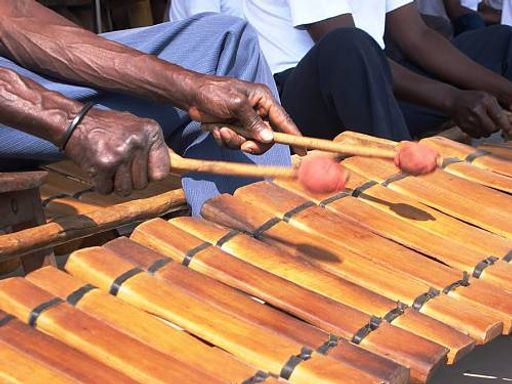
In southern Mozambique, music and dance in the Chopi community are not complete without a special instrument called the timbila. This tradition is so important that UNESCO recognized it in 2008 as an Intangible Cultural Heritage of Humanity.
The Chopi people live mainly in the southern part of Inhambane Province. They are well known for their powerful orchestral performances made up entirely of timbila wooden xylophones carefully crafted and tuned by hand.
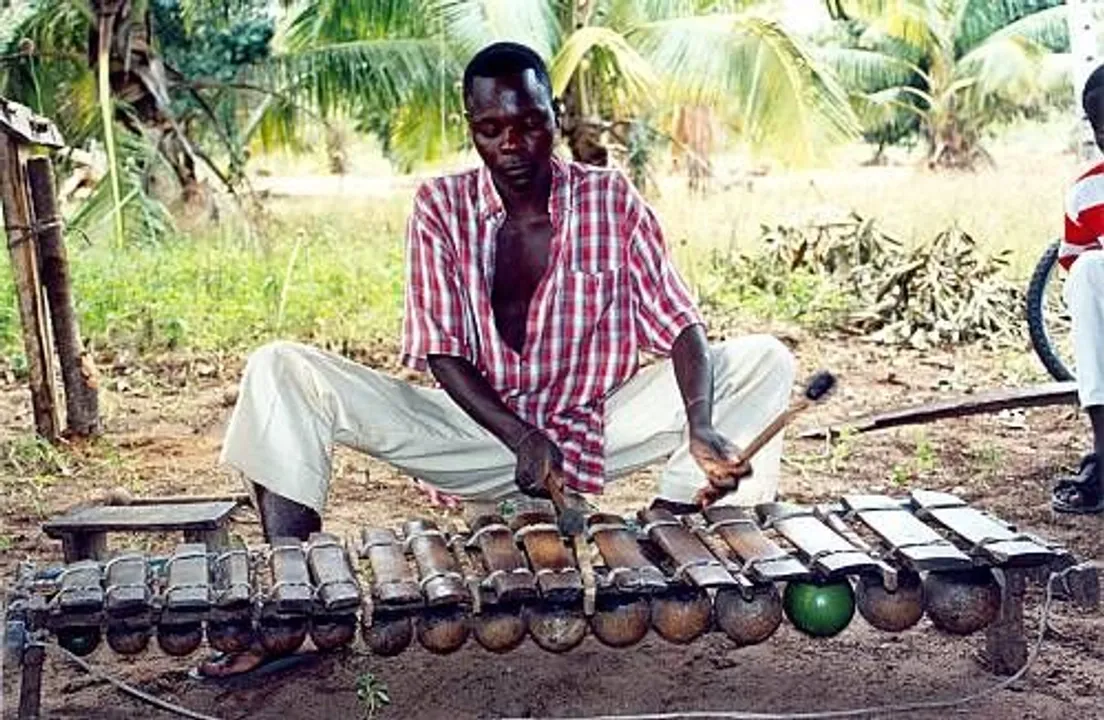
The instrument is made from the resonant wood of the slow-growing mwenje (sneezewort) tree. Under each wooden key, artisans attach a calabash (gourd) resonator. These are sealed tightly with beeswax and treated with oil from the nkuso fruit tree, giving the timbila its deep, rich sound and unique vibrations.
A timbila orchestra can include between five and thirty instruments of different sizes and pitch ranges. Performers range from young children to elders, often with grandchildren playing beside their grandfathers. Each year, new musical pieces are composed and performed at weddings and community celebrations.
The music is complex and layered. Often, a player’s left hand follows a different rhythm than the right, creating rich, interwoven sounds. Performances can last about an hour and include both solo parts and full orchestra sections, with changes in speed and mood.
Beyond entertainment, timbila music preserves history and shares social messages. It survived even during periods of suppression under Portuguese colonial rule.
However, most of the highly skilled timbila masters today are elderly. Although some are training young musicians including girls UNESCO warns that modern lifestyles are pulling many young people away from this important cultural tradition.
Source: Newstimehub







New Tigray mayor promises elections in six months
Tigrayan rebels had launched an offensive against the federal government last month, but were ultimately forced to retreat and lost control of the state.
Shakahola deaths: Kenyan cult leader Mackenzie hears long-awaited verdict
The police operation exposed hundreds of shallow mass graves, the soaring death toll requiring a pause in excavations as local morgues ran out of space.
South Africa, Mozambique to honour former president Machel 40 years after plane crash
Machel, until his untimely death in 1986, was an outspoken and revered anti-colonial voice.




All rights reserved. Newstimetr © 2026