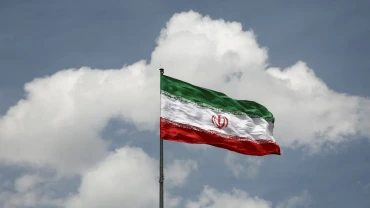

Short-term solutions emerge as rising oil prices expose structural vulnerabilities
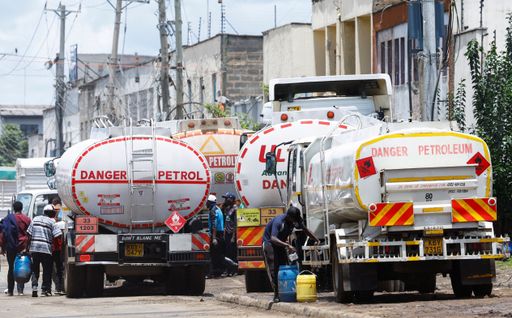
African countries are increasingly considering remote work policies as a response to soaring fuel prices triggered by disruptions in the Strait of Hormuz, a key global energy corridor.
With heavy reliance on imported fuel, many economies across the continent are facing immediate pressure, marked by sharp price increases and growing supply concerns. Business leaders, including Aliko Dangote, have advocated for work-from-home models to reduce fuel consumption and limit transportation costs, drawing parallels with strategies used during the COVID-19 pandemic.
However, the approach presents significant limitations in the African context, where a large share of the workforce depends on daily, in-person income. For many households, reduced mobility could translate directly into lost earnings and increased vulnerability.
The crisis has already pushed fuel prices higher in major markets such as Nigeria and Ethiopia, fueling inflation and raising the cost of living. While global institutions support remote work and public transport as immediate relief measures, concerns persist over social impacts and long-term feasibility.
Experts argue that sustainable solutions lie in structural reforms, particularly strengthening local refining capacity and reducing dependency on external energy supplies.
Source: Newstimehub


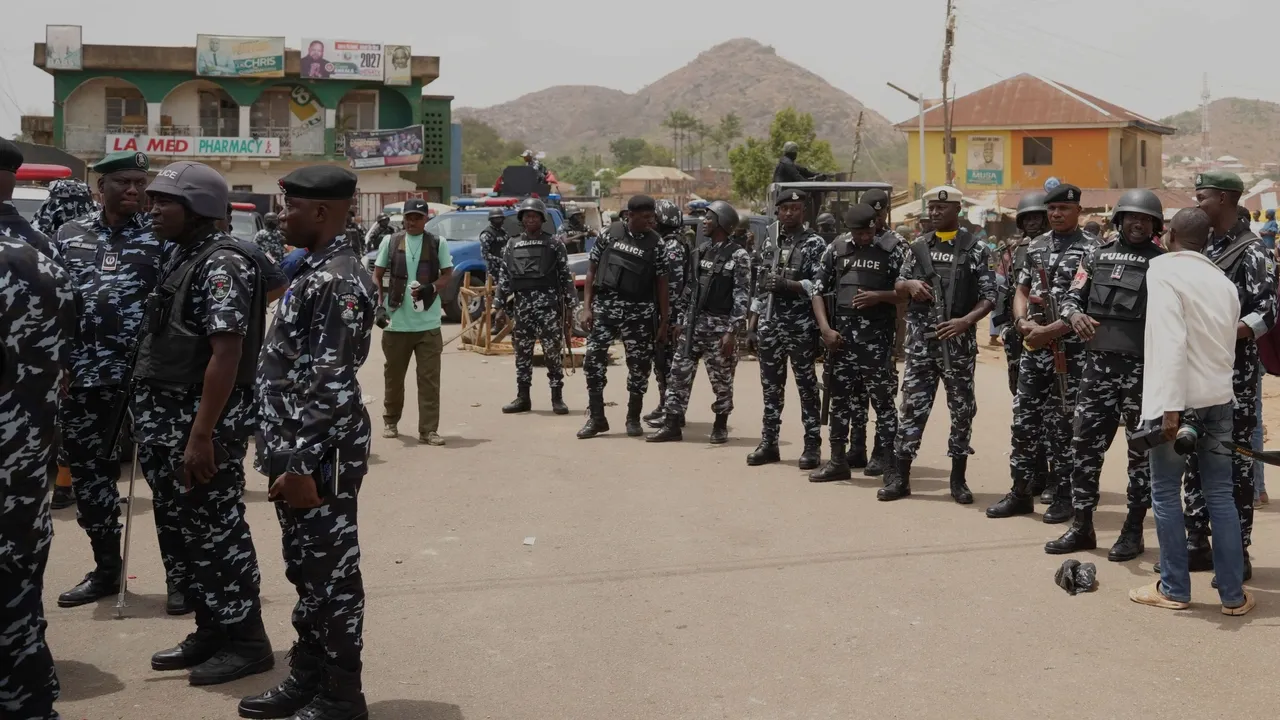
Six Nigerian imams abducted on their way to pray for president's re-election
Armed men, locally known as bandits, have kidnapped six imams in a northern Nigeria, police said on Sunday.