Court finds administration's streamlined process for imposing deportation-related fines violates federal law.
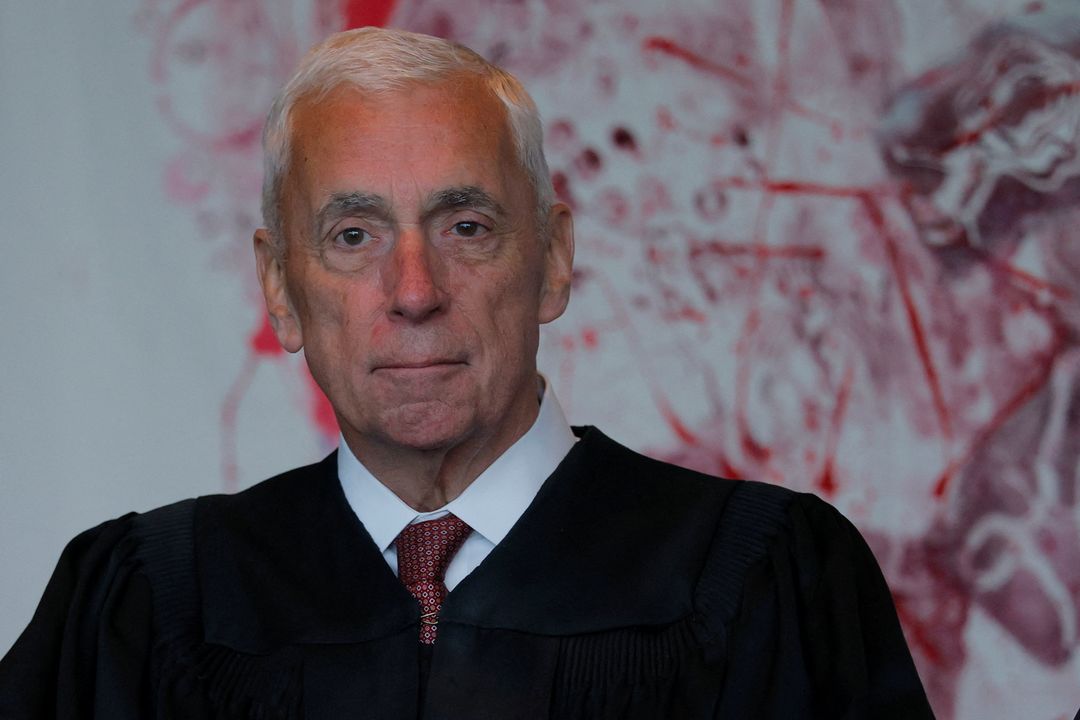
A United States federal judge has blocked efforts by the Trump administration to levy civil fines of up to $1.8 million on migrants who fail to leave the country following final deportation orders, ruling that the penalties were imposed unlawfully.US District Judge George O'Toole in Boston issued the decision in a class-action lawsuit brought last year by two migrants among thousands penalised by the Department of Homeland Security (DHS), alongside the Immigrant Legal Resource Centre.O'Toole concluded that halting the measures was vital, noting the penalties would push plaintiffs into immediate financial insolvency."The plaintiffs live in an economically precarious position even without the imposition of the government's exorbitant fines," O'Toole wrote in his ruling.By July, DHS reported issuing more than 103,000 fines amounting to approximately $84 billion since President Donald Trump returned to the White House last year.Although Congress authorised civil penalties under the Illegal Immigration Reform and Immigrant Responsibility Act of 1996, no previous administration sought to apply them.Statutory breachesUnder the revived policy, the administration levied penalties of $998 per day against migrants who failed to depart after a deportation order.Authorities applied these charges retroactively for up to five years, resulting in maximum penalties of $1.8 million.In July 2025, DHS and the Department of Justice expedited the procedure by removing a 30-day notice window and curtailing the appeals mechanism.Immigration and Customs Enforcement (ICE) routinely issued penalties using standardised boilerplate forms without assessing whether non-departure was "willful" or "voluntary".O'Toole ruled the fines violated the Administrative Procedure Act because official notices lacked specific allegations explaining why an individual's conduct justified financial punishment.The judge also held that the administration breached federal rulemaking requirements by failing to provide the public an opportunity to review and comment on the policy changes before enactment.