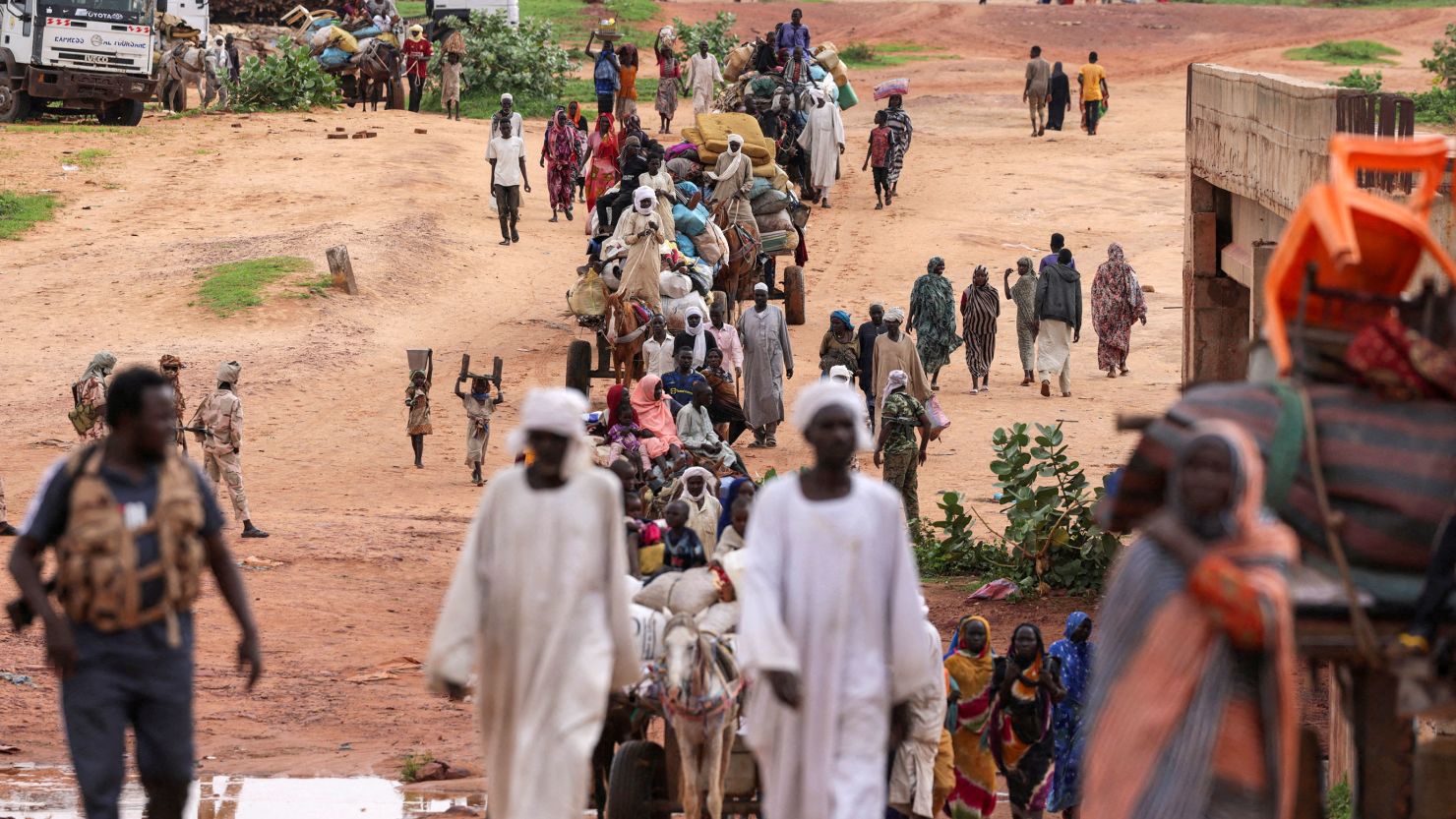

Eritrea and Ethiopia signed the Algiers agreement after the two neighbours fought a bloody war in 1998-2000, resulting in the death of 70,000-80,000 people on both sides.
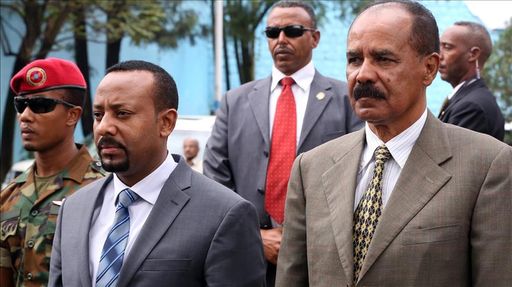
The head of the UN called on Eritrea and Ethiopia to recommit to the agreement that formally ended hostilities between the two Horn of Africa nations 25 years ago, warning that renewed tensions could undermine regional peace.
"Today marks the 25th anniversary of the Algiers Agreement, a landmark peace treaty that formally ended the border conflict between Eritrea and Ethiopia and established a crucial framework for peaceful relations between the two nations," said a statement issued on Friday by Stephane Dujarric, spokesperson for UN Secretary-General Antonio Guterres.
Noting that the treaty served to create "mechanisms for demarcating the common border," the statement said it also "reaffirmed the fundamental principles of sovereignty and territorial integrity for both nations" with the support of the international community.
"At this important milestone, the Secretary-General reiterates the steadfast support of the United Nations for the Algiers Agreement," it said. "Seven years ago, the leaders of both countries renewed their commitment to peace through a joint declaration, a testament to the power of dialogue and cooperation."
‘Commitment to peace’
At a time of renewed tensions, Guterres urged "Eritrea and Ethiopia to recommit to the vision of lasting peace and the respect for sovereignty and territorial integrity embodied in the Algiers Agreement and strengthen efforts to build good neighbourly relations."
The UN chief further called on both sides to "continue working with regional and international partners to advance development cooperation for the benefit of all."
Eritrea and Ethiopia signed the Algiers agreement after the two neighbours fought a bloody war in 1998-2000, resulting in the death of 70,000-80,000 people on both sides.
An international boundary commission later decided that Badme, a flashpoint borderland in the conflict, belonged to Eritrea, while it ruled that Eritrea should compensate Ethiopia for the massive amount of Ethiopian shipments confiscated in Assab Port.
Eritrea seceded from Ethiopia in 1993.



African Sovereign Debt Set to Rise as Borrowing Hits $155 Billion
S&P warns global tensions could impact financing costs despite favorable market conditions
BAMEX 2026 Aims to Rebrand Sahel as Africa’s Defence Powerhouse
Bamako to host major international expo with Türkiye at the forefront of strategic participation
Erdoğan Commemorates Çanakkale Victory
'Canakkale is a unique epic in which not only a battle, but also faith, sacrifice, love of homeland, and consciousness of being a nation were proclaimed to entire world,' the Turkish president says.