The latest developments come amid a major Ebola outbreak in the DRC, which has spread to several African countries.
Uganda has denied having any confirmed active Ebola cases after Nigeria reported an infection in a woman who travelled through the East African country from the Democratic Republic of Congo (DRC).
In a statement on Tuesday, Uganda's Ministry of Health said the woman transited through Uganda in early October without symptoms and developed them after arriving in Nigeria.
“Travel through Uganda does not establish that infection occurred here,” the ministry said, adding that the location of exposure remained under investigation.
Uganda said Nigeria had yet to provide detailed information on the woman's travel itinerary and clinical history to guide further investigations and any necessary contact tracing.
‘No active case’
“We wish to clarify that, as at the time of this statement, Uganda has NO confirmed active Ebola cases,” the statement stressed.
The ministry said it would strengthen screening and public health controls at points of entry, while urging the public to remain calm, practise regular handwashing and sanitise their hands.
It added that limited provisions had been maintained for humanitarian and diplomatic movement.
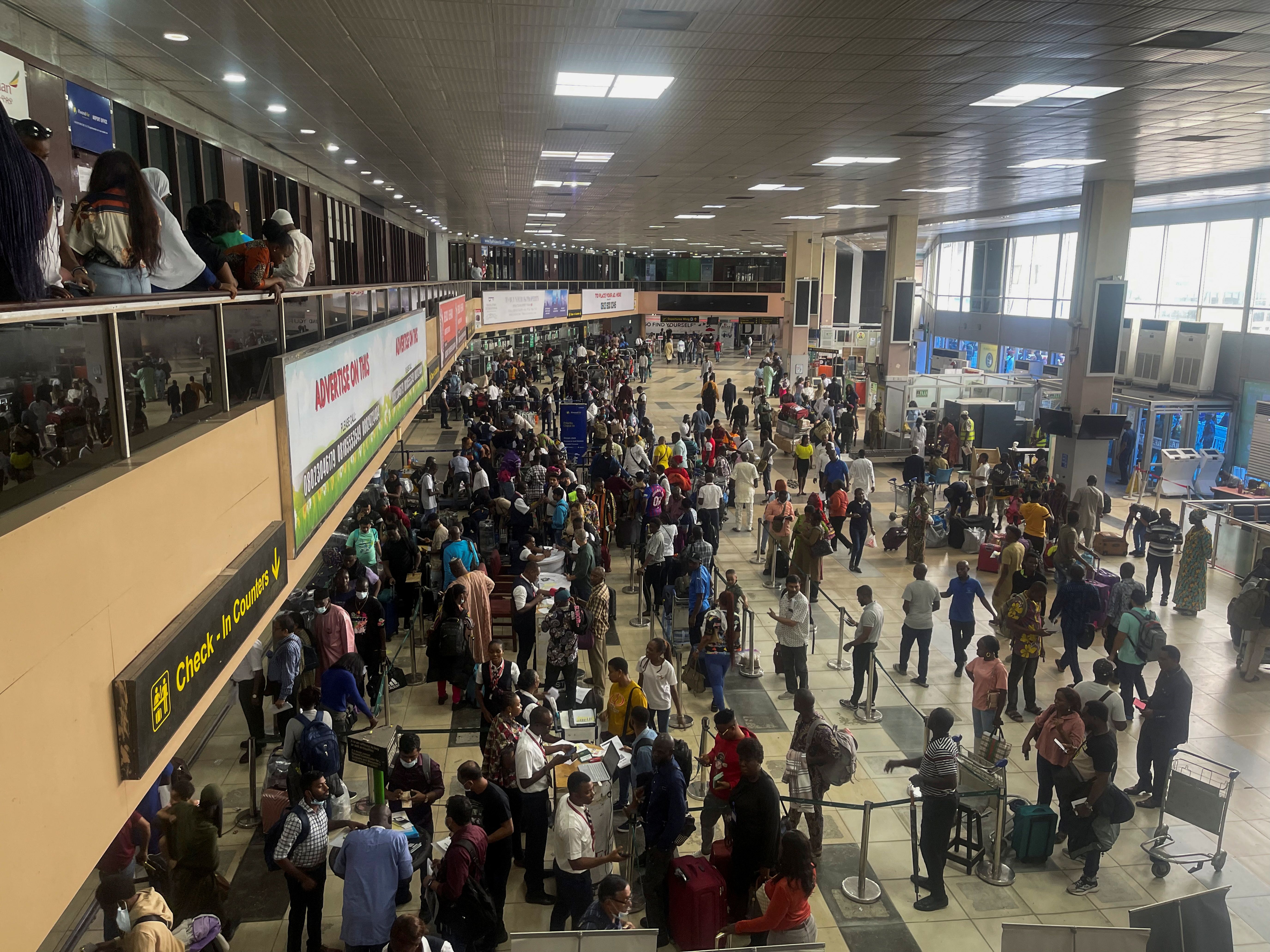
Nigeria confirmed its first Ebola case in the current outbreak on Tuesday, with Health Minister Muhammad Ali Pate saying the woman had arrived in Abuja on an international flight from Uganda.
Nigerian patient isolated
The patient was admitted to a private hospital, where she received treatment before her diagnosis was confirmed. She was subsequently placed in isolation, while health authorities began tracing 44 people identified as close contacts.
The latest developments come amid a major Ebola outbreak in the DRC, which has spread to several African countries, including Uganda.
Congolese authorities have reported more than 9,400 cases and over 4,500 deaths, making it the deadliest Ebola outbreak in the country's history.
Kenya has also reported cases linked to the wider outbreak, prompting health authorities across the region to strengthen surveillance and response measures.
The US State Department said on Monday it had asked Americans to reconsider any travel to Kenya and raised its travel advisory for the African nation due to health risks.