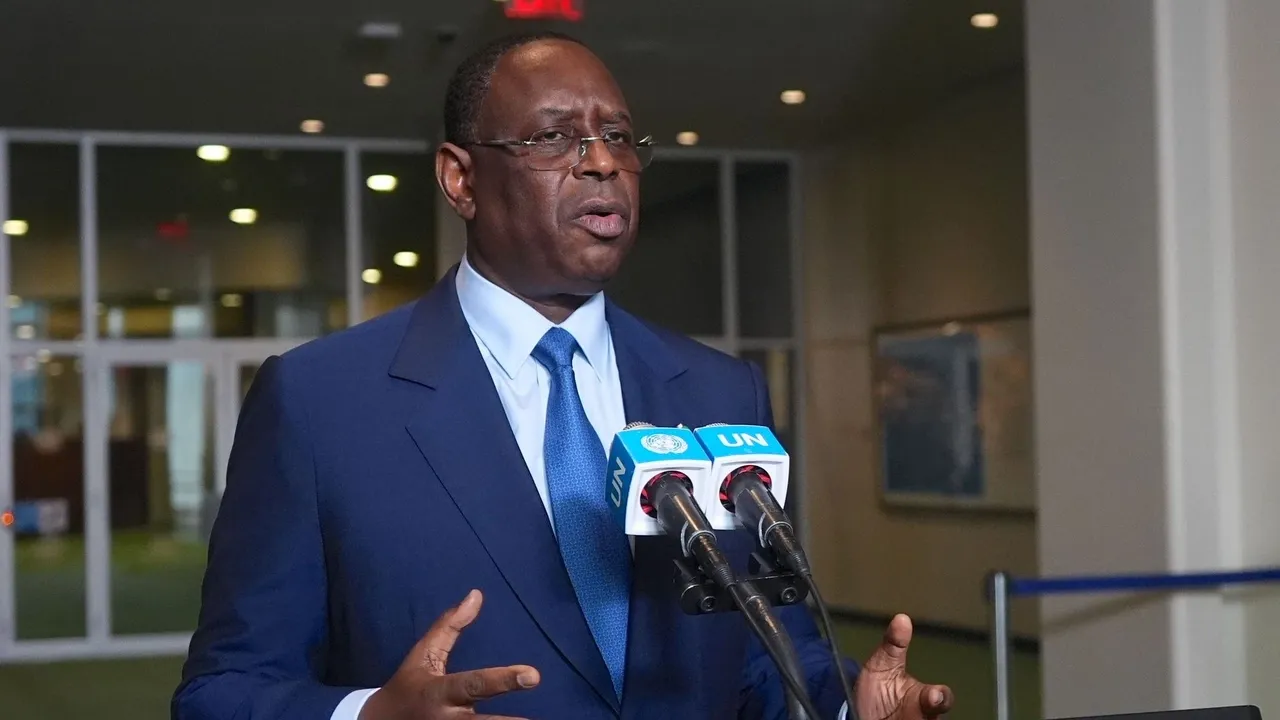
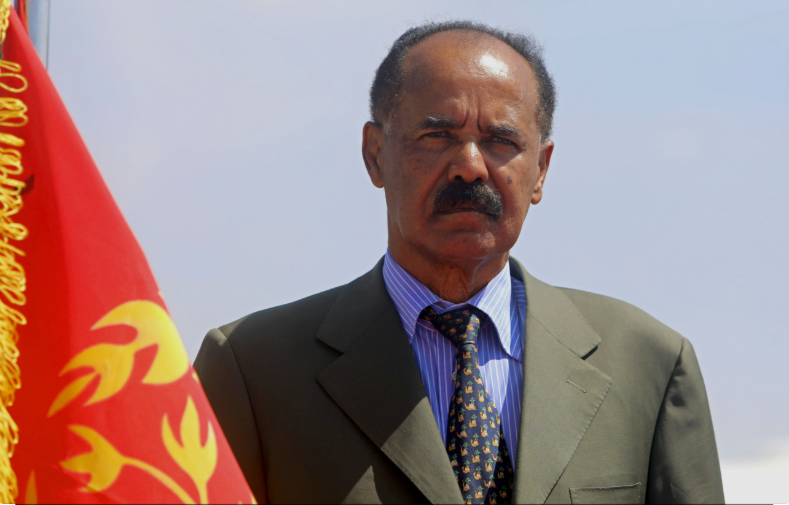
Macky Sall, Senegal's former president, has withdrawn from the United Nations secretary-general race.
Macky Sall, Senegal's former president, has withdrawn from the United Nations secretary-general race.
Sall announced his withdrawal through a statement published on his official Facebook page on Saturday.
The 64-year-old former president said he made the decision after an informal vote on Friday indicated that none of the current seven UN secretary-general candidates would receive backing by all the five UN Security Council (UNSC) permanent members. The UNSC permanent members are the United States, China, Russia, France, and the United Kingdom.
The informal vote also suggested that Rebeca Grynspan, Costa Rica's former second vice-president and the secretary-general of the UN Trade and Development (UNCTAD), is the favourite to succeed Portugal's Antonio Guterres as UN chief.
'I have decided to withdraw my candidacy'
Rebeca Grynspan, 70, had received only two vetoes from the permanent five, unlike most of her competitors who received more vetoes.
United States' media reports suggest that Washington opposes all of the seven contenders in the race, and is open to considering other candidates who may express an interest in succeeding Guterres.
"Following the informal vote on October 16, 2026, for the election to the position of Secretary-General of the United Nations, and after consultations with His Excellency Mr. Evariste Ndayishimiye, President of the Republic of Burundi and Chairperson of the African Union, and His Excellency Bassirou Diomaye Diakhar Faye, President of the Republic of Senegal and Chairperson of ECOWAS, I have decided to withdraw my candidacy for the aforementioned position," Sall said of his withdrawal from the UN top seat race.
"I have made this decision with a profound sense of responsibility, hoping to contribute to the emergence of a consensus candidate within the Security Council — mindful that, throughout the process, the results of the various 'test' votes have pointed toward a preference for a candidate from the Latin American and Caribbean region, and potentially a woman. For my part, my candidacy was primarily motivated by a desire to place my nearly forty years of experience in public life at the service of the United Nations," Sall added.
'UN must undertake transformation'
"I wish to thank President Evariste Ndayishimiye, who sponsored my candidacy, and President Bassirou Diomaye Diakhar Faye, who supported it. I also thank the member states of the Security Council that voted in favour of my candidacy throughout the process. I extend my warm thanks to the members of my campaign team, who stood by me for months with faith and determination. Likewise, I express my gratitude to religious and traditional leaders for their prayers and expressions of goodwill, as well as to the people of Senegal — activists, supporters, political and civil society organisations, and friends from across Africa and beyond — for their support and encouragement since the announcement of my candidacy.
"I remain convinced that the United Nations must undertake a profound transformation of its working methods and its overall functioning. Africa, which lies at the heart of issues concerning peace, security, and development, must also continue to make its voice heard and persist in its efforts to secure its rightful place in global governance. I am withdrawing my candidacy, yet I remain fully committed to the ideals that inspired it: peace, security, economic and social development, international cooperation, and dialogue among nations. I wish every success to the person who will be called upon to assume the high responsibilities of Secretary-General of the United Nations."
Besides Sall, who has since withdrawn from the UN top seat race and the frontrunner, Grynspan, the other candidates are Guyanese former Foreign Minister Carolyn Rodrigues-Birkett, Argentina's Rafael Grossi, the current head of the UN nuclear watchdog, Ecuador's Ivonne A-Baki, and Maria Fernanda Espinosa, and Uganda's Olara Otunnu.
UNSC permanent members to significantly decide winner
The outgoing secretary-general, Guterres, ends his second five-year term on December 31, 2026.
Even if a candidate earns the required nine votes from the 15 available in the Security Council, they must also avoid a veto by the five major powers, which are deeply divided.
Once a candidate clears those bars, their name will go to the General Assembly of all UN members for confirmation.
The UN chief serves a five-year term, with the possibility of being reappointed for a second and final five-year mandate.