Norway Plans to Raise Social Media Age to 16
Editor:
Halimatou HAMADOU DJIBO


Government says stricter rules will protect children from digital harms

Norway is planning to increase the minimum age for using social media from 13 to 16. The proposal, announced by Prime Minister Jonas Gahr Støre, would require tech companies to verify users’ ages before allowing access.
If approved by parliament, the rule could take effect as early as next year. It would block access to social media until January 1 of the year a person turns 16, creating a clear and uniform system for all children in the same age group.
The government says the goal is to protect young users from the powerful influence of social media algorithms. Officials argue that children’s brains are still developing and may not be ready to handle the persuasive and addictive nature of these platforms.
Under the plan, companies would be responsible for checking users’ ages at login. Those that fail to comply could face fines, following rules inspired by the Digital Services Act, which focuses on online safety and accountability.
However, not everyone agrees with the approach. Norway’s data protection authority has raised concerns about privacy, warning that relying on tech companies to verify ages could put users’ personal data at risk.
The proposal comes as many children are already using social media despite current rules. Recent data shows that over half of children aged 9–10 and nearly three-quarters of those aged 11–12 are active online.
Norway is not alone in taking action. Countries like Australia have introduced similar limits, though enforcing them remains a challenge, as many young users find ways around restrictions.
In short, Norway is trying to strike a balance: protecting children from digital harms while figuring out how to enforce the rules without compromising privacy.
Source: Newstimehub




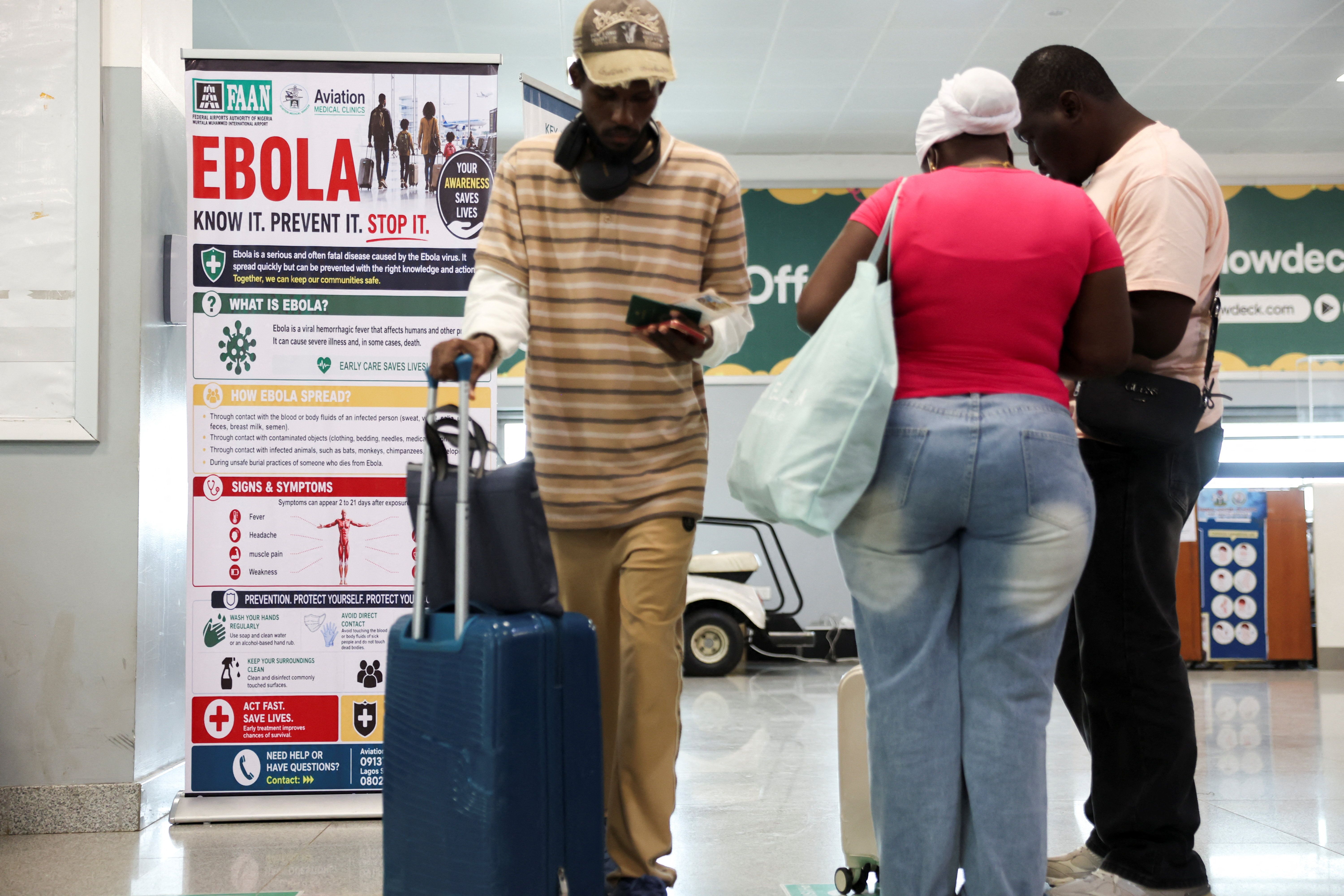
Ebola: Nigeria urges calm, says first case remains isolated
Health Minister Muhammad Ali Pate said there was "no need for any panic", as health officials intensify monitoring of people who may have been exposed.
Sudanese army recaptures strategic military base from RSF
The army has regained control of the Bakori military base following clashes with paramilitary forces in the Blue Nile region.
Türkiye, Canada aim for $10B trade as Erdogan hails 'new era'
Ankara and Ottawa aim to raise bilateral trade from around $3 billion to $5 billion initially and eventually to $10 billion.




All rights reserved. Newstimetr © 2026