Mali Launches Fully Digital Mining Cadastre to Boost Transparency
Editor:
Halimatou HAMADOU DJIBO


Unveiled on April 17, the new system registers 631 mining titles and marks a major step in sector reform and governance
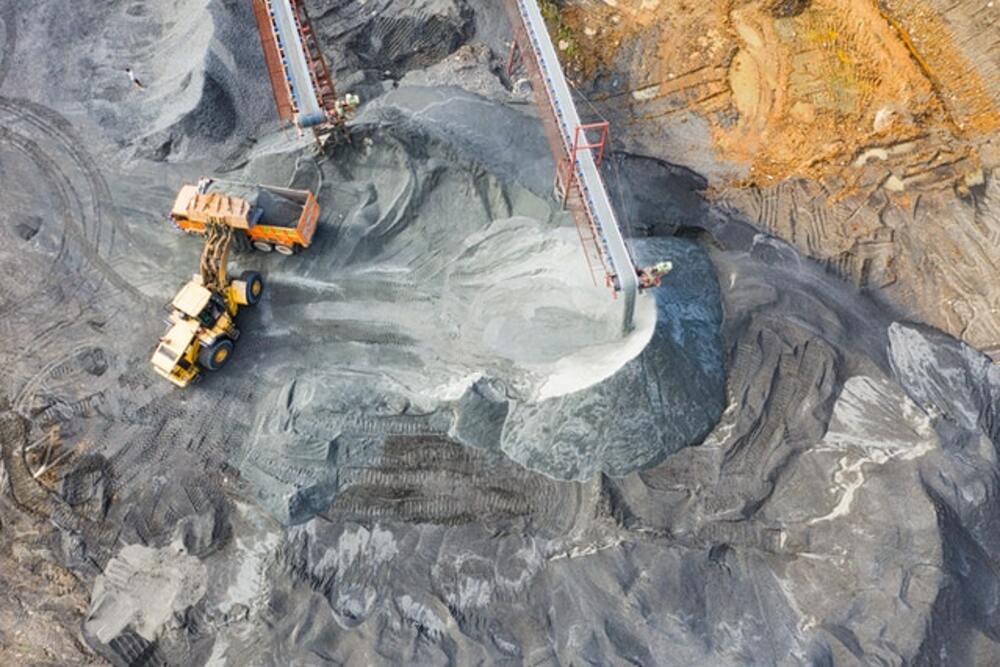
On April 17, 2026, Mali officially introduced a fully digitalized mining cadastre, developed by national experts and already listing 631 registered mining titles. The launch, held at the Koulouba Palace under the leadership of Assimi Goïta, reflects the government’s push to strengthen transparency and streamline management in the extractive sector.
According to Amadou Keïta, the platform centralizes all key information related to mining permits, including ownership, surface area, and duration. Designed to address the shortcomings of the previous system, the reform takes immediate effect with the integration of existing titles.
A key feature of the new cadastre is its interconnection with financial systems from the Ministry of Mines, the public treasury, and tax authorities. This aims to accelerate administrative processes, prevent permit overlaps, and enhance the overall security and traceability of operations.
The initiative comes as part of broader reforms in the mining sector. In 2023, Mali adopted a new mining code allowing the state and national stakeholders to hold up to 35% in new projects, up from 20%, with expectations of generating at least 500 billion CFA francs annually in additional revenue.
The digital overhaul also follows a challenging year for gold production. In 2025, industrial output dropped to 42.2 tons from 54.8 tons in 2024, while total production, including artisanal mining, reached 48.2 tons—below the official target of 54 tons.
For Malian authorities, the digital cadastre represents a strategic tool to improve oversight, secure revenues, and modernize a sector that remains central to the national economy.
Source: Newstimehub



Türkiye, Qatar, Pakistan and Indonesia to sign defence industry deal
The agreement aims to strengthen defence industry ties among the four countries as Qatar moves to expand its domestic defence production capabilities.
FIFA suspends Egypt coach for three matches after criticising World Cup refereeing
FIFA has suspended Egypt head coach Hossam Hassan for three matches following comments he made after the team’s World Cup round-of-16 defeat to Argentina.
Libyan parliament unanimously approves maritime deal with Türkiye
Libyan lawmakers also voted unanimously to overturn a resolution, which had called for severing political relations with Ankara.




All rights reserved. Newstimetr © 2026