Understanding Libya Through Its Ancient Legacy, Religious Identity, and Enduring Social Fabric
For many around the world, Libya is often associated with political instability, migration routes, or vast oil reserves. Yet behind these headlines lies a nation shaped by thousands of years of history, a rich cultural mosaic, and deeply rooted religious traditions. Situated at the crossroads of Africa, the Arab world, and the Mediterranean, Libya has been home to ancient civilizations, resistance movements, tribal alliances, and enduring faith communities. This special report explores Libya's historical evolution, cultural diversity, religious foundations, and aspirations for the future.
Libya: More Than a Modern Political Narrative
Modern discussions about Libya frequently focus on conflict and geopolitics. While these aspects have undeniably influenced the country's recent trajectory, reducing Libya solely to contemporary crises overlooks the remarkable depth of its historical and cultural identity.
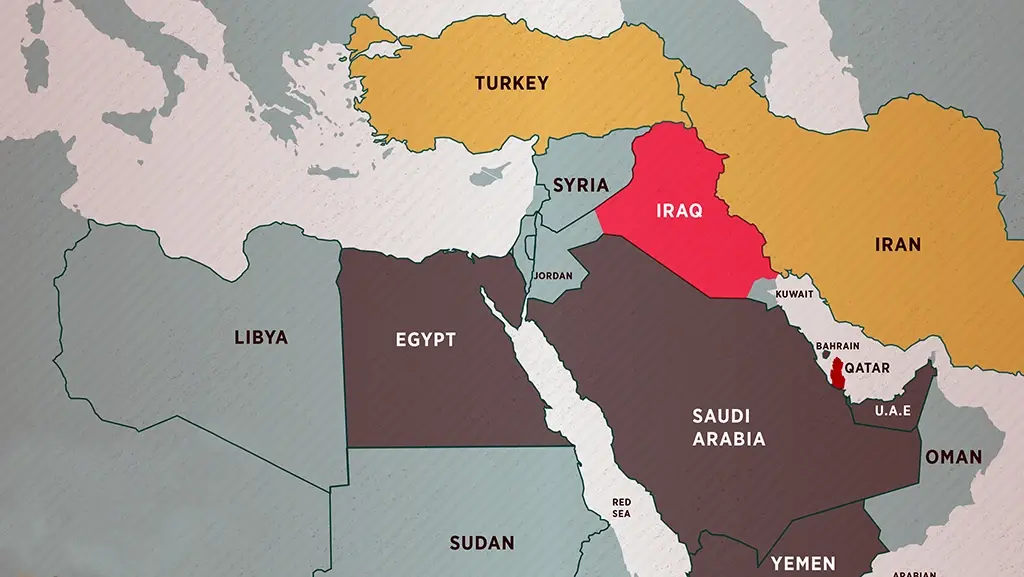
Stretching across approximately 1.8 million square kilometers, Libya is Africa's fourth-largest country. It borders Egypt to the east, Tunisia and Algeria to the west, Chad, Niger, and Sudan to the south, while its northern coastline extends along the Mediterranean Sea for nearly 1,800 kilometers.
Its geographical position has made Libya a bridge connecting sub-Saharan Africa with the Mediterranean basin. For centuries, caravans crossed the Sahara carrying gold, salt, and goods from West Africa toward coastal trading centers, establishing Libya as a strategic crossroads of civilizations.
Although more than ninety percent of Libya's territory consists of desert landscapes, these vast expanses have never isolated the nation from global historical developments. Instead, they have shaped the resilience and adaptability of Libyan society.
Ancient Libya: The Cradle of Mediterranean Exchange
Human presence in Libya dates back thousands of years. Rock art discovered deep within the Sahara reveals that areas now dominated by arid desert once supported thriving communities, wildlife, and agricultural activities.
The earliest major external influences arrived through the Phoenicians and Greeks.
During the seventh century BCE, Phoenician merchants established commercial settlements along Libya's western coastline. Simultaneously, Greek colonists founded cities in Cyrenaica, particularly the city of Cyrene.
Cyrene emerged as one of the intellectual centers of the ancient Mediterranean world. Philosophers, mathematicians, and physicians contributed to the city's reputation as a center of knowledge and innovation.
The Cyrenaic philosophical school, founded by Aristippus of Cyrene, developed distinctive approaches to ethics and human happiness that influenced broader Hellenistic thought.
As Roman influence expanded across North Africa, Libya became an integral component of the Roman Empire.
The city of Leptis Magna, located near present-day Al Khums, became one of Rome's most prosperous urban centers. Under Emperor Septimius Severus, who was born in Leptis Magna, the city experienced extraordinary development.
Magnificent amphitheaters, public baths, marketplaces, and monumental arches reflected both Rome's architectural sophistication and Libya's strategic importance within the empire.
Today, these archaeological treasures continue to testify to Libya's role as a major participant in the development of Mediterranean civilization.
The Arrival of Islam and the Transformation of Society
The seventh century marked another defining chapter in Libyan history with the arrival of Islam.
Arab Muslim armies gradually introduced Islam throughout North Africa, fundamentally reshaping Libya's religious, social, and linguistic landscape.
Islamic teachings became deeply integrated into everyday life, while Arabic evolved into the dominant language across most regions.
The spread of Islam facilitated Libya's incorporation into broader networks of scholarship, trade, and intellectual exchange spanning from Andalusia to the Arabian Peninsula.
Mosques emerged not only as places of worship but also as institutions of education, legal guidance, and community cohesion.
Over time, Sunni Islam, particularly the Maliki school of jurisprudence, became the predominant religious tradition in Libya.
The Maliki tradition emphasized practical application of Islamic principles within local contexts, helping foster social stability and communal identity throughout Libyan society.
Islam remains central to contemporary Libyan life, shaping ethical values, family structures, charitable practices, and social interactions.
Ottoman Libya: Four Centuries of Shared Heritage
In 1551, Libya entered a new historical phase under Ottoman administration.
Ottoman rule, which lasted for nearly four centuries, significantly influenced Libya's governance systems, architecture, commerce, and international relations.
The Ottoman Empire adopted a relatively flexible administrative approach, often working through local tribal leaders to maintain order and stability.
Tripoli emerged as a prominent Mediterranean port city connecting Europe, North Africa, and the Ottoman heartlands.
Economic activity flourished through maritime trade, agriculture, and regional commerce.
The Ottoman legacy remains visible in Libya's historic mosques, urban planning, and cultural practices.
For Libya and Türkiye, this shared history continues to serve as an important foundation for contemporary bilateral relations.
The Ottoman experience also contributed to Libya's evolving political identity by balancing centralized authority with local autonomy.
Italian Colonialism and the Birth of National Resistance
In 1911, Italy invaded Libya, initiating one of the most traumatic periods in the country's modern history.
Italian colonial authorities sought to consolidate control through military campaigns, forced relocations, and repressive policies aimed at suppressing resistance movements.
However, Libyan society responded with extraordinary determination.
The figure who came to symbolize this resistance was Omar Mukhtar.
A respected teacher and leader associated with the Senussi movement, Omar Mukhtar organized guerrilla campaigns against Italian forces for more than two decades.
Despite limited resources, Libyan fighters utilized intimate knowledge of the desert terrain to challenge one of Europe's colonial powers.
Mukhtar's leadership transcended military strategy.
He represented moral resistance grounded in faith, dignity, and national identity.
His execution by Italian authorities in 1931 transformed him into a symbol of anti-colonial struggle throughout the Arab and African worlds.
Today, Omar Mukhtar remains one of Libya's most revered historical figures, embodying the enduring spirit of resistance against foreign domination.
Independence and the Formation of the Libyan State
Following World War II, international pressure and changing geopolitical circumstances accelerated Libya's path toward independence.
On December 24, 1951, Libya officially became an independent kingdom under King Idris I.
This achievement held particular significance, as Libya became one of Africa's earliest post-colonial states.
The newly established kingdom faced considerable challenges.
Limited infrastructure, low literacy rates, and economic constraints complicated nation-building efforts.
Everything changed with the discovery of substantial oil reserves during the late 1950s.
Petroleum revenues transformed Libya's economic prospects, generating unprecedented wealth and development opportunities.
However, disparities in wealth distribution and growing political dissatisfaction eventually contributed to significant political change.
The Gaddafi Era: Ambition, Reform, and Controversy
In 1969, a group of young military officers led by Muammar Gaddafi overthrew the monarchy.
Gaddafi's vision combined elements of Arab nationalism, Islamic principles, anti-imperialism, and Pan-Africanism.
His "Third International Theory," outlined in the Green Book, proposed alternatives to both capitalism and communism.
Oil wealth enabled major investments in healthcare, education, and infrastructure.
Literacy rates improved dramatically, while healthcare access expanded throughout the country.
Large-scale projects such as the Great Man-Made River sought to address water scarcity challenges.
Nevertheless, Gaddafi's rule also became increasingly associated with authoritarian governance, restrictions on political freedoms, and suppression of dissent.
International sanctions and diplomatic isolation further complicated Libya's global standing during various periods.
For many Libyans, the Gaddafi era remains a complex chapter characterized by both socioeconomic achievements and political limitations.
The Arab Spring and Libya's Contemporary Challenges
The events of 2011 dramatically altered Libya's political landscape.
Inspired by broader regional movements, protests emerged demanding political reform and greater accountability.
The conflict eventually escalated into civil war, accompanied by international military intervention.
Following the collapse of the Gaddafi government, Libya entered a prolonged period of political fragmentation.
Competing institutions, regional divisions, and armed groups contributed to ongoing instability.
Yet despite these difficulties, Libyans continue to pursue aspirations for national reconciliation, democratic governance, and institutional development.
Efforts supported by regional and international actors seek to facilitate dialogue and establish sustainable political frameworks.
The resilience demonstrated by ordinary Libyans throughout this period reflects a profound commitment to rebuilding their nation.
Tribal Structures: Foundations of Social Organization
Understanding Libya requires appreciating the significance of tribal identity.
Tribal affiliations remain important components of social organization and community life.
Major tribes such as Warfalla, Magarha, Zuwayya, and Awlad Suleiman continue to influence local dynamics.
Contrary to simplistic portrayals, tribal systems often function as mechanisms of social support, conflict resolution, and collective responsibility.
Elders frequently mediate disputes, facilitate reconciliation processes, and preserve customary traditions.
These networks have historically provided stability during periods of both political continuity and institutional uncertainty.
Recognizing the constructive dimensions of tribal structures is essential for understanding Libya's social fabric.
Libya's Cultural Mosaic
Although Arab identity constitutes a central aspect of Libya's national character, the country is home to remarkable cultural diversity.
The Amazigh people, often referred to as Berbers, maintain distinct linguistic and cultural traditions that predate Arabization.
The Tuareg communities of southern Libya preserve unique customs associated with Saharan nomadic life.
Known for their indigo-colored garments and caravan heritage, Tuareg culture represents one of Africa's most distinctive identities.
The Tebu people, inhabiting Libya's southern regions, contribute additional layers to the nation's multicultural composition.
Traditional music, poetry, storytelling, handicrafts, and culinary practices reflect centuries of interaction among these communities.
This diversity constitutes one of Libya's greatest strengths, enriching its national identity through pluralism and shared heritage.
Faith and Religious Life in Libya
Religion occupies a central place within Libyan society.
The overwhelming majority of Libyans identify as Sunni Muslims following the Maliki school.
Islamic values influence family relationships, community expectations, and moral conduct.
Mosques function as vital centers of worship, education, and social engagement.
Religious celebrations such as Ramadan, Eid al-Fitr, and Eid al-Adha foster solidarity and reinforce communal bonds.
During Ramadan, families gather for iftar meals while charitable initiatives expand support for vulnerable populations.
Religious institutions also contribute to social welfare through educational programs and humanitarian activities.
For many Libyans, faith provides both spiritual guidance and resilience during challenging times.
Everyday Life and Libyan Hospitality
Hospitality represents one of Libya's defining cultural characteristics.
Guests are often welcomed with tea, coffee, and traditional meals reflecting longstanding customs of generosity.
Family occupies a central role within Libyan society.
Extended family networks provide emotional support, economic assistance, and intergenerational continuity.
Traditional cuisine reflects Libya's position at the crossroads of Mediterranean and Saharan influences.
Couscous, bazeen, soups, lamb dishes, and aromatic spices characterize many local specialties.
Celebrations involving weddings, religious festivals, and community gatherings reinforce social cohesion and cultural continuity.
Libya and Türkiye: Historical Connections and Contemporary Cooperation
Relations between Libya and Türkiye extend beyond modern diplomacy.
Shared Ottoman history established enduring cultural and historical links between both nations.
In recent years, bilateral cooperation has expanded across economic, educational, energy, and reconstruction sectors.
Turkish companies have participated in infrastructure projects and post-conflict recovery initiatives.
Diplomatic engagement continues to emphasize stability, development, and mutual interests within the Mediterranean region.
These historical connections demonstrate how past experiences continue shaping contemporary partnerships.
Looking Toward Libya's Future
Despite significant challenges, Libya possesses extraordinary potential.
Its substantial natural resources, strategic geographical location, and youthful population offer important opportunities for long-term development.
Achieving sustainable progress will depend upon inclusive governance, institutional strengthening, economic diversification, and national reconciliation.
The international community often encounters Libya through narratives of conflict.
However, Libya's story is equally one of resilience, adaptation, and hope.
It is the story of ancient civilizations that flourished along Mediterranean shores.
It is the story of resistance leaders who defended their homeland against colonial rule.
It is the story of diverse communities united by shared aspirations.
Most importantly, it is the story of a people determined to shape their future despite adversity.
Understanding Libya requires moving beyond headlines.
It demands recognition of the nation's historical depth, cultural richness, and enduring human spirit.
For Libya is not merely a country navigating contemporary challenges.
It is a civilization carrying the memories of the past while striving toward a more stable and prosperous future.
By Tuğçe Nur


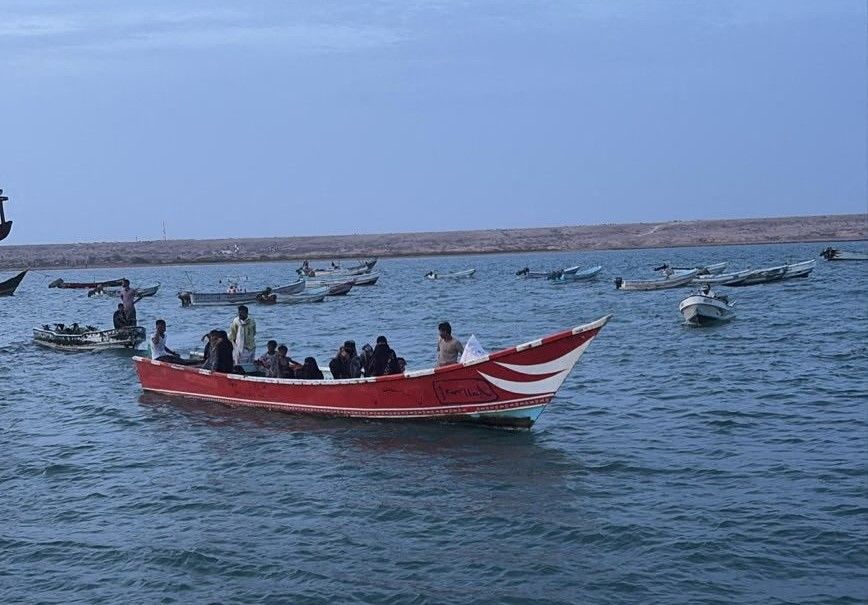
Yemen fighting pushes nearly 3,000 to Djibouti in less than a week: UN
More than half of arrivals are women and children as the UN refugee agency warns reception capacity in Djibouti is rapidly diminishing.
US deportees struggle to rebuild lives in unfamiliar Cameroon
The Trump administration has defended the policy, arguing US law does not prevent their deportation to third countries.