Israel’s election unfolds under shadow of Gaza war
Editor:
Halimatou HAMADOU DJIBO


More than 7.3 million eligible voters are choosing 120 Knesset members, with 37 parties and electoral lists competing.
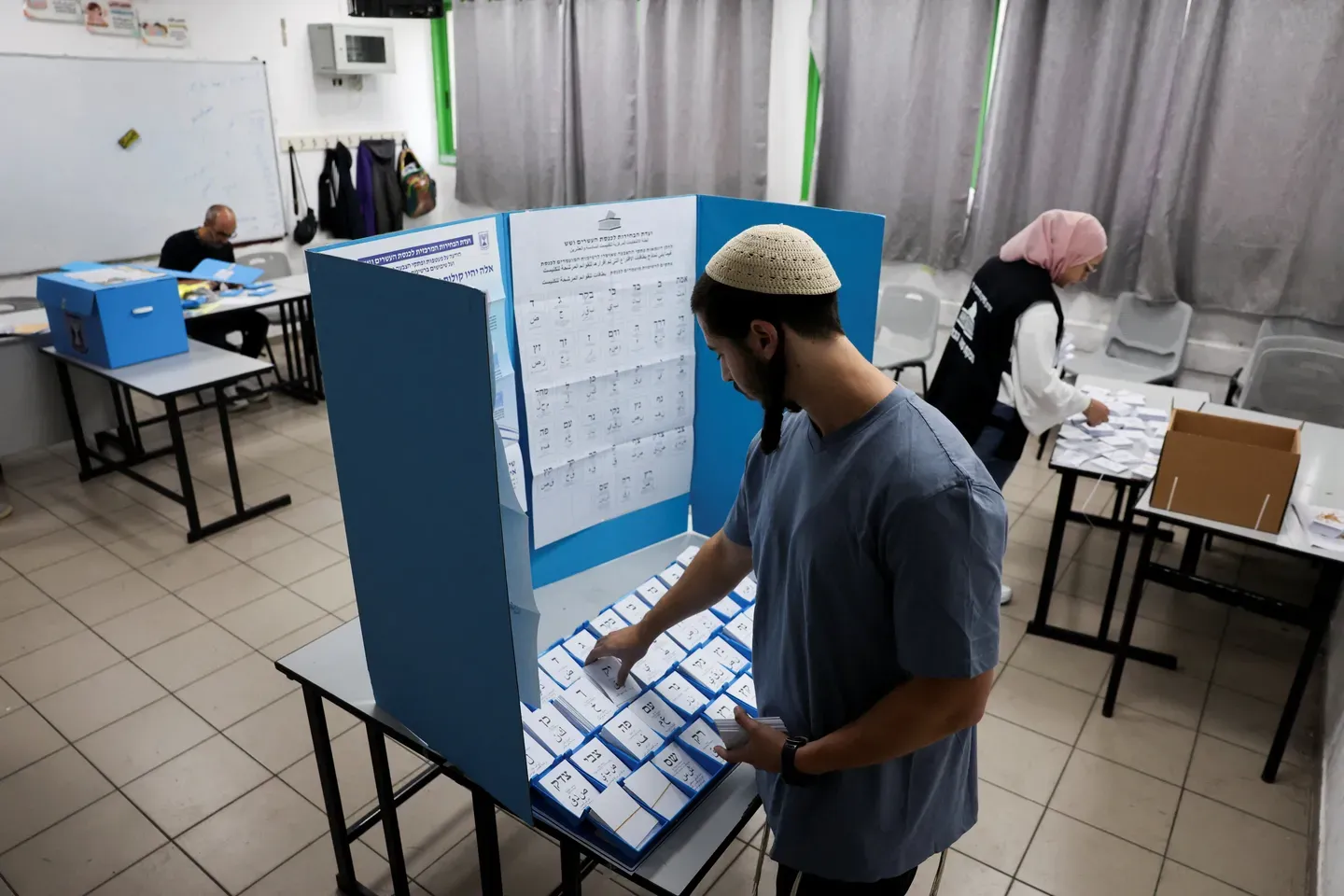
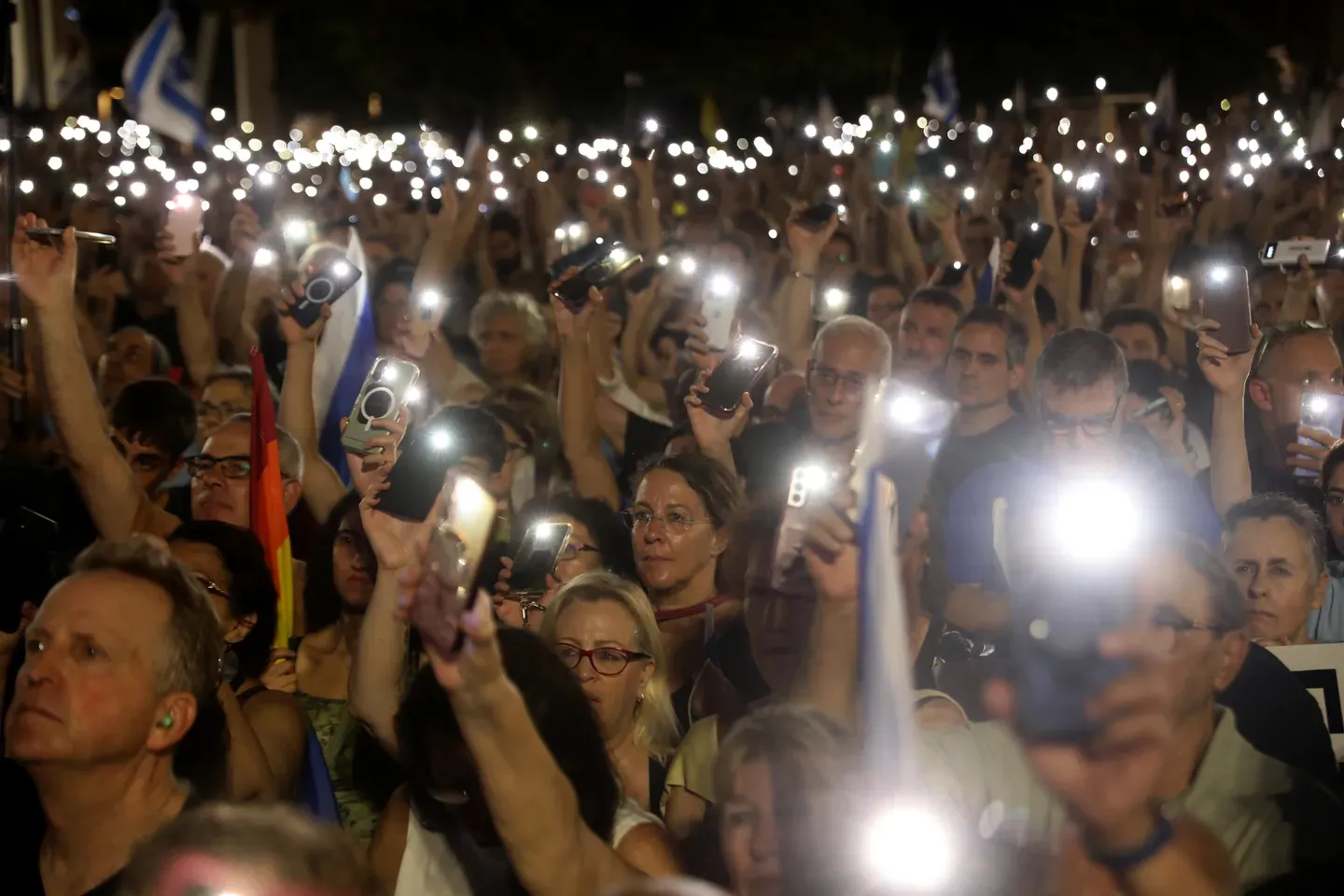
Voting began on Tuesday in Israel’s parliamentary elections, with more than 7.3 million people eligible to elect the 120-member Knesset.
Polling stations opened at 7 am local time (0500 GMT) and are scheduled to close at 10 pm (2000 GMT), according to Israel’s Central Elections Committee.
A total of 12,018 polling stations and around 18,000 ballot boxes have been prepared nationwide, with approximately 100,000 election workers deployed.
Thirty-seven parties and electoral lists are competing, with at least 61 seats needed to form a governing coalition.
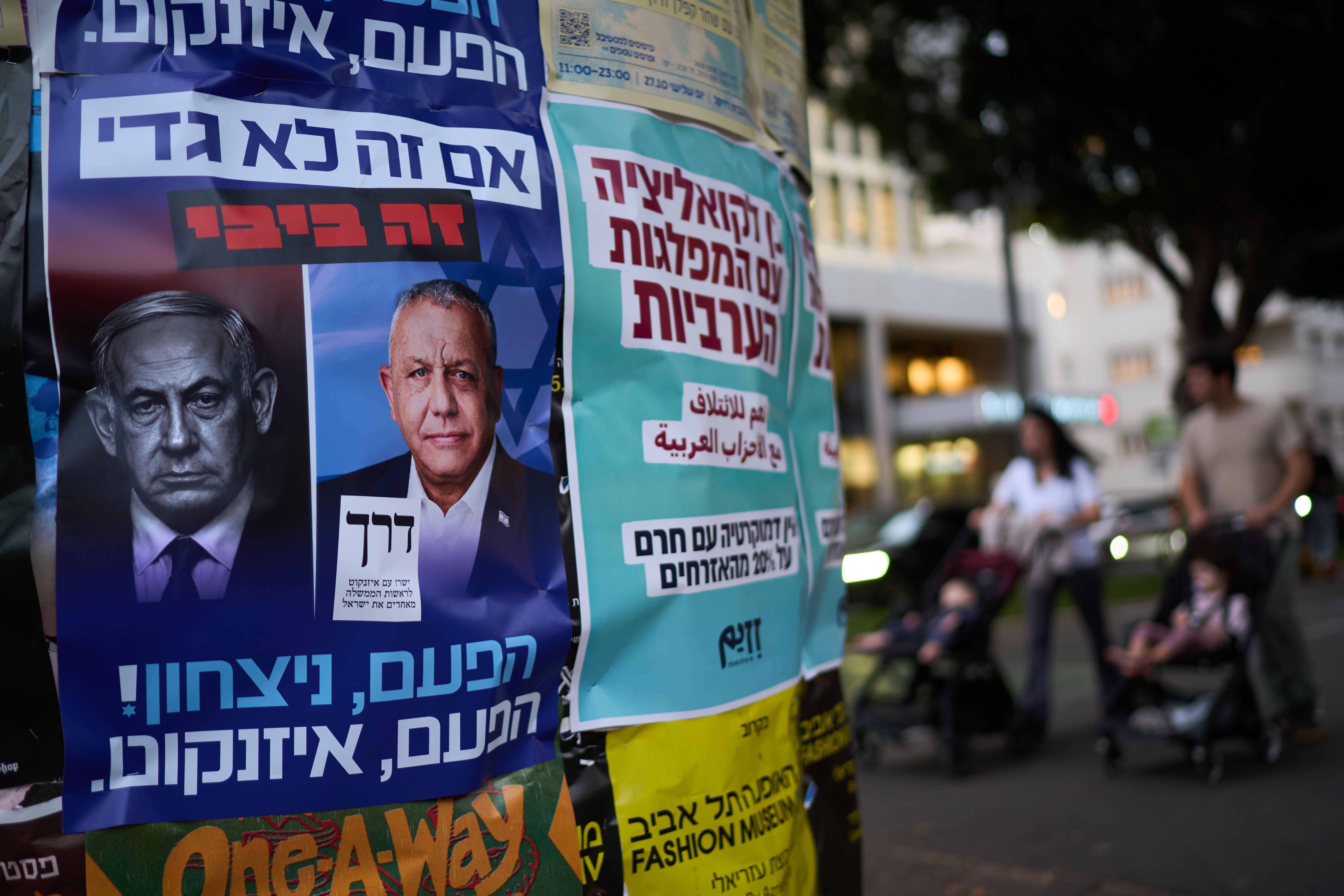
The main contenders include Prime Minister Benjamin Netanyahu’s Likud party, former army chief of staff Gadi Eisenkot’s Yashar party and the Together alliance led by former Prime Minister Naftali Bennett.
Other prominent parties include the Democrats, led by Yair Golan; Yisrael Beiteinu, headed by Avigdor Lieberman; and Jewish Power, led by National Security Minister Itamar Ben-Gvir.
Palestinian-led parties include the Joint List, headed by Yousef Jabareen, and the United Arab List (Ra’am), led by Mansour Abbas.
First general vote since October 7
The elections are Israel’s first general vote since the start of its genocidal war on Gaza in October 7 2023.
Vote counting will begin after polling stations close at 10 pm local time (2000 GMT), when Israeli television channels are expected to release exit polls.
Initial results are expected overnight, while the official results are scheduled to be published by November 4, according to the Central Elections Committee.
Separately, 4,218 Israelis cast ballots during early voting at 101 polling stations across 99 diplomatic missions abroad on October 15–16.
The turnout represented 86.7 percent of the 4,863 eligible overseas voters, according to the Central Elections Committee.




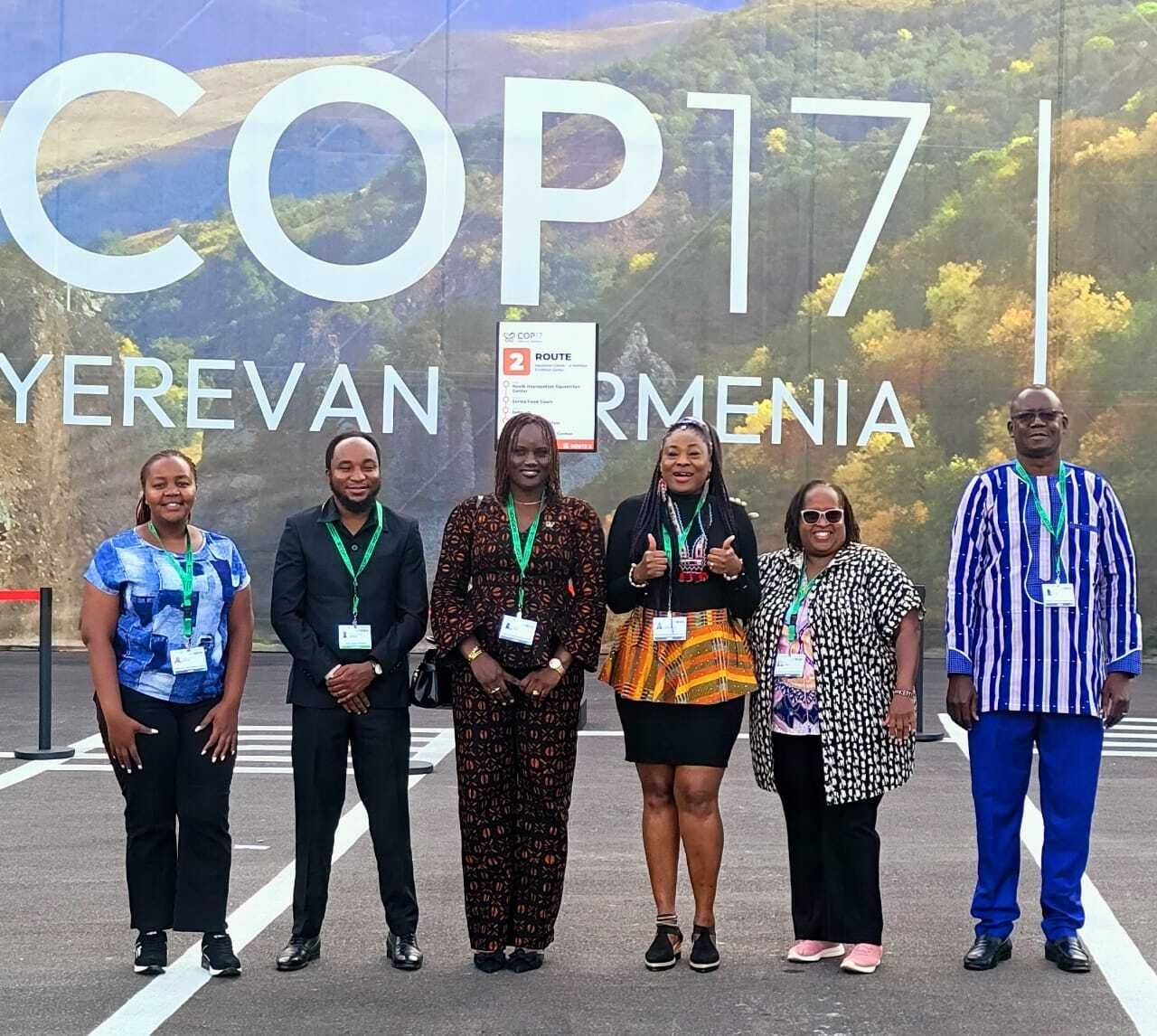
Why decisions in Yerevan matter for Africa
Conservationists continue to mount passionate calls for dedicated and more deliberate efforts towards conserving nature for the sake of future generations.
South Africa ambassador calls for 'direct dialogue' with US amid tensions
Ambassador Roelf Meyer said the "situation is tense and there's a bit of a stalemate" as South Africa seeks to avoid exclusion from a key US-Africa trade deal.
Erdogan vows to defend Türkiye’s maritime rights, calls for unity in Libya
The Turkish president says Ankara seeks dialogue and an end to divisions across the Muslim world, while warning against efforts to sideline Türkiye in the Eastern Mediterranean.




All rights reserved. Newstimetr © 2026