Election results in Serbia, Brazil and the US complicate Israel's diplomatic position, while an inconclusive domestic vote leaves its political parties struggling to form a government.
Three elections abroad and one at home across a 10-day span have complicated Israel's diplomatic standing, intensified scrutiny in Washington, and left domestic political parties struggling to assemble a governing coalition, according to The Jerusalem Post.
The setbacks commenced on October 25 in Serbia, where the alliance led by Aleksandar Vucic, a staunch ally of Israel, lost a snap parliamentary election to an anti-corruption student-backed list.
Serbia has supplied Israel with crucial ammunition and concluded a $1.6 billion procurement agreement in August 2025 for Israeli drones, long-range missiles, and electronic warfare systems.
However, the victorious Student List pledged to halt arms exports to conflict zones: "We will not be complicit in the systematic attempt to destroy the Palestinian people that Israel is carrying out in the Gaza Strip."
In Brazil, President Luiz Inacio Lula da Silva's re-election over challenger Flavio Bolsonaro dashed Israeli hopes for closer bilateral ties.
Under Lula, Brazil recalled its ambassador to Israel and formally supported South Africa's genocide case at the International Court of Justice.
Domestic deadlock and Washington scrutiny
Domestically, Israel's October 27 election left neither major bloc with enough seats to govern.
Prime Minister Benjamin Netanyahu’s bloc secured 53 of the 120 Knesset seats, leaving him eight short of a majority as President Isaac Herzog opened consultations with parliamentary parties on Wednesday to determine who should form the next administration.
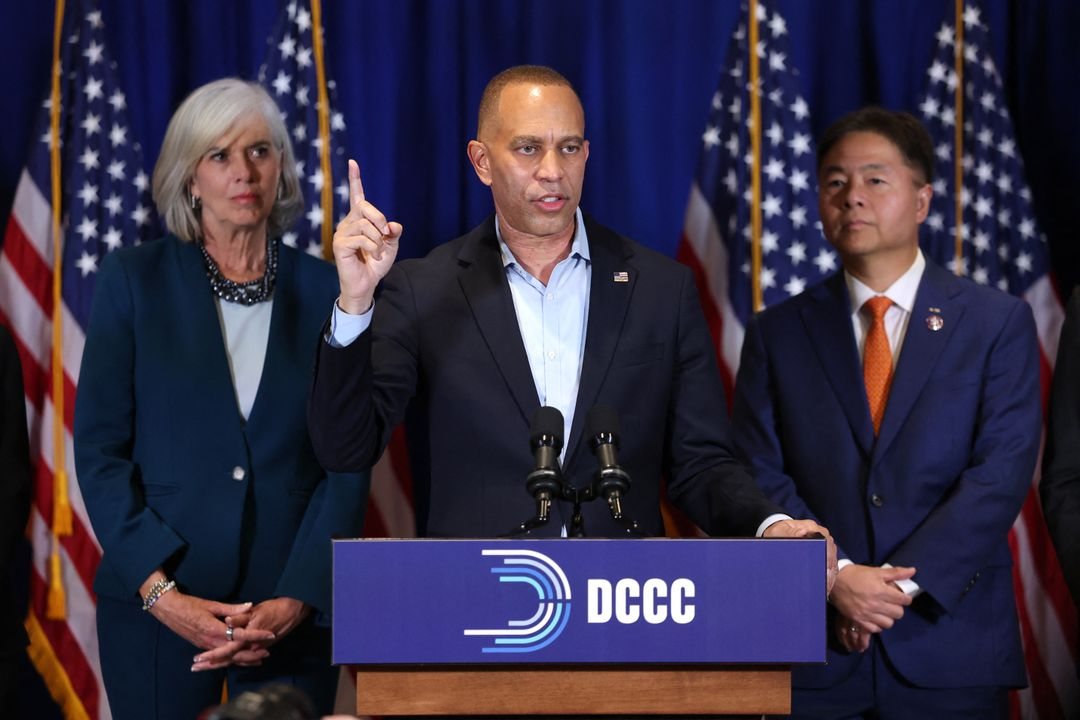
In the United States, Democrats captured both chambers of Congress in Tuesday's midterm elections.
The analysis highlighted figures such as Michigan Senator-elect Abdul El-Sayed, questioning how far critical stances on Israel will gain traction in debates over arms transfers.
With the incoming Congress convening on January 3, the newspaper warned that Washington could debate the future of bilateral ties whilst Israeli factions remain locked in coalition talks.
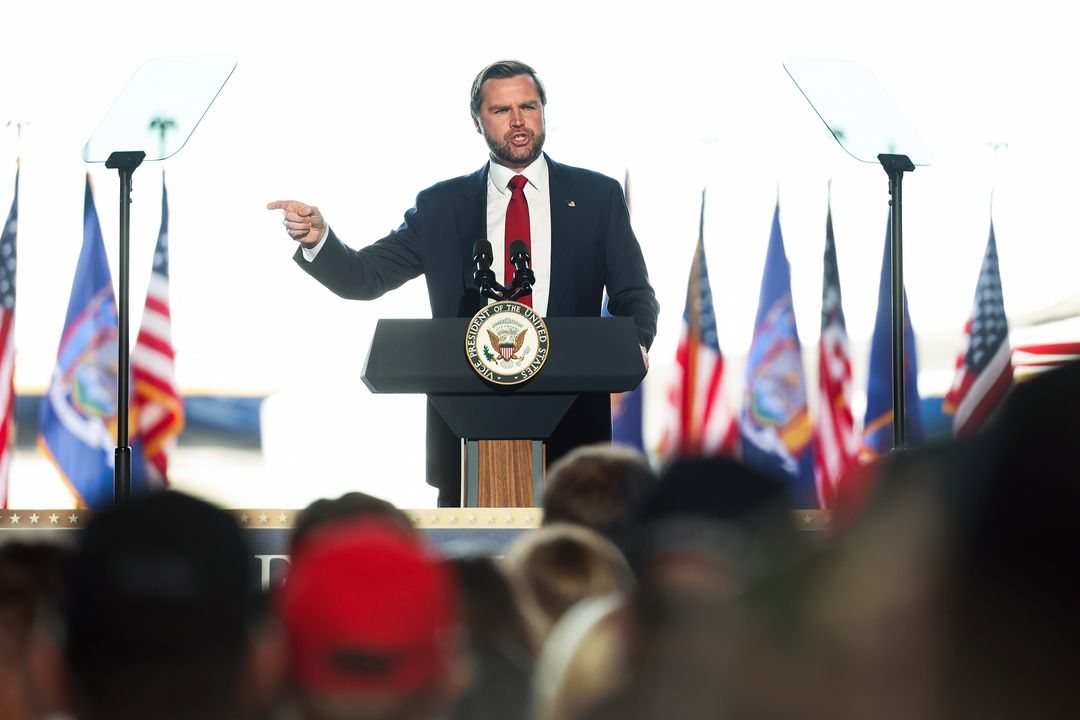
Earlier Wednesday, US Vice President JD Vance noted on the X platform that changing the US relationship with Israel was a key factor among 2024 Donald Trump voters who backed Democrats, writing: "The reason we lost is the (Iran) war."
Meanwhile, Trump told Fox News that Washington will end financial assistance to Israel by year's end, reducing the aid to about $4 billion annually under an agreement reached earlier with Netanyahu.
James Talarico captures Texas' US Senate seat and frames the win as a David-versus-Goliath upset, saying his ordinary "slingshot" Texans have overcome big-money interests, billionaire donors, and the political establishment.
Senate Democratic leader Chuck Schumer signals Democrats could use congressional funding powers to pressure President Trump to end the war on Iran, citing a lack of public consent.
Houthi militia encircled Taiz since early October, blocking the road that links it to Aden, the interim seat of the internationally recognised government.