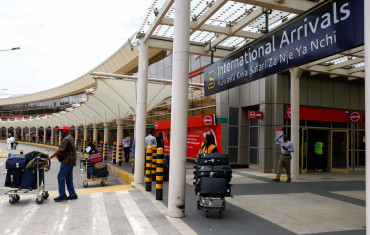

Air freight disruptions cut shipments to less than 5% of normal Ramadan demand.
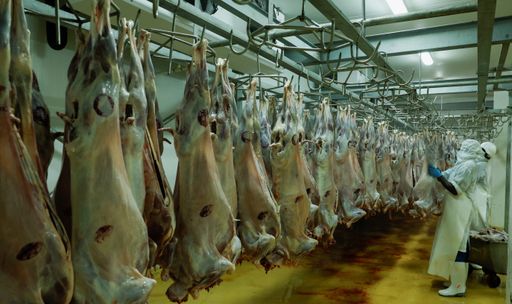
Kenya’s meat exports to the Middle East have collapsed to below 5% of expected levels during the Ramadan peak, as regional conflict disrupts air transport and drives freight costs sharply higher, industry officials say.
The Middle East remains Kenya’s largest market for meat exports, with the United Arab Emirates accounting for 40–60% of shipments, according to Nicholas Ngahu, CEO of the Kenya Meat and Livestock Exporters Industry Council. Under normal conditions, the country exports about $2.3 million worth of meat products to the region every week.
Currently, exporters of fresh chilled meat such as beef, lamb, mutton and goat are only able to ship limited quantities to Abu Dhabi and Dubai, while exports to Oman, Kuwait, Bahrain and Jordan have been significantly disrupted.
Ngahu said the sector is operating below 15% of its usual capacity, with Ramadan shipments dropping to less than 5% of expected volumes.
The sharp decline is largely due to reduced airline operations and soaring cargo costs. According to Dennis Muraya, director of Konza Clearing Agency, exporters are increasingly forced to use expensive cargo charters into the UAE, with freight rates rising from $1–$1.50 per kilogram to as high as $3–$3.50, partly driven by higher insurance costs linked to the conflict.
As a result, daily export volumes have plunged from about 200 metric tons to just 5–15 tons. Since March 8, exporters expected shipments to reach one million kilograms, but less than 50,000 kilograms have been exported so far.
The disruption is also affecting the wider supply chain, from freight companies and slaughterhouses to livestock traders and farmers. Some exporters are now diverting products to the local market at lower prices, while several abattoirs have reduced casual labour by up to 80%.
Industry leaders warn that if the conflict continues beyond Ramadan, freight costs could become unsustainable, threatening the future of many businesses in Kenya’s meat export sector.
Source: Newstimehub



Row erupts over Ghana’s $4.3m South Africa evacuation costs
Opposition says evacuation expenses “must be backed by documents.”
Nigeria police chief vows 'nationwide security' as general elections loom
Votes have in the past been marred by violence, with politicians accused of recruiting thugs to intimidate opponents.