
Drone attack in Dubai and rising oil prices deepen fears of a wider regional and energy crisis.
The Middle East conflict intensified early Monday as Israeli strikes hit Beirut and Tehran, while a drone attack near Dubai International Airport forced the temporary suspension of flights after a fuel tank was set ablaze.
The war began following US and Israeli attacks on Iran on February 28, and has since expanded across the region. Iran has responded with missile and drone attacks targeting Israel, US military bases and energy infrastructure in Gulf countries.
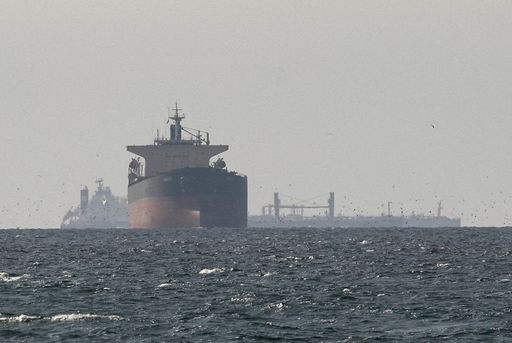
The escalation has also disrupted maritime traffic in the Strait of Hormuz, a strategic waterway through which about one-fifth of the world’s oil supply normally passes, raising fears of a global energy crisis.
Oil markets reacted sharply to the tensions, with Brent crude remaining above $100 per barrel, reaching around $104 in early trading, nearly 45% higher since the conflict began, and previously peaking close to $120.
Drone Strike Near Dubai Airport
Early Monday, a drone hit a fuel tank near Dubai International Airport, triggering a large fire and forcing authorities to temporarily suspend flights. Firefighters quickly contained the blaze and no injuries were reported.
Iran has launched hundreds of drones and missiles toward Gulf states hosting US military assets, although many have been intercepted by air defence systems.
Escalating Attacks Across the Region
Israel said it targeted Hezbollah-linked infrastructure in Beirut, issuing evacuation orders for several areas in the Lebanese capital and southern Lebanon. More than 800,000 people have been displaced, while at least 850 people have been killed, including 107 children and 66 women.
Explosions were also reported in Tehran and surrounding areas after Israeli strikes targeted infrastructure in the Iranian capital. The Red Cross says more than 1,300 people have been killed in Iran since the conflict began.
In Israel, 12 people have died from Iranian missile attacks, while 13 US military personnel have also been killed, including six in a plane crash in Iraq last week.
Global Pressure Over the Strait of Hormuz
US President Donald Trump said he had asked several countries to deploy warships to secure the Strait of Hormuz, although no commitments have yet been made. Countries previously mentioned include China, France, Japan, South Korea and the United Kingdom.
Iran’s Foreign Minister Abbas Araghchi rejected speculation about negotiations to end the war, saying Iran seeks “neither truce nor talks.”
Meanwhile, Japan began releasing strategic oil reserves to address fears of supply shortages and rising prices, as the conflict continues to strain global energy markets.
Analysts warn that prolonged disruption in the Strait of Hormuz could have serious consequences for global energy supply and the world economy.
Source: Newstimehub


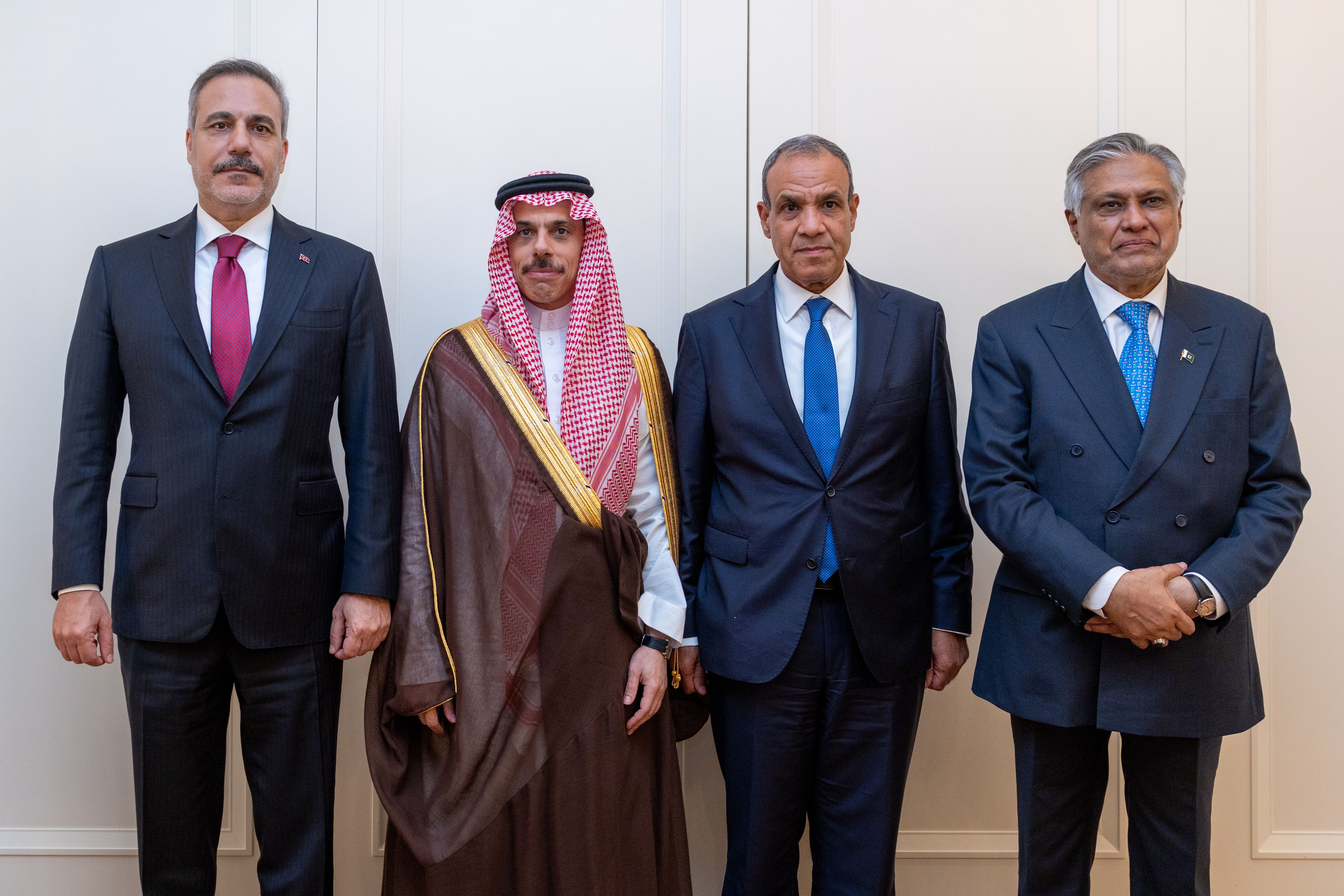
Türkiye's Fidan attends 6th Türkiye-Egypt-Pakistan-Saudi Arabia foreign ministers’ meeting
Foreign Minister Hakan Fidan also attends separate meeting with top diplomats of UAE, Indonesia, Qatar, Egypt, Pakistan, Saudi Arabia, Jordan.
Animal rights group decries live-plucking of South African ostriches for fashion
The World Animal Protection says ostriches were being cornered by workers who pulled out their feathers without administering pain relief.
Two charged as police investigate discoveries of women bodies in South Africa
Prosecutors said the two women had been charged with murder over the killing of Jabulile Ntimba in what police described as a possible love triangle.