A new report from the World Health Organisation (WHO) finds both real progress and persistent gaps that threaten to leave millions of older people behind.
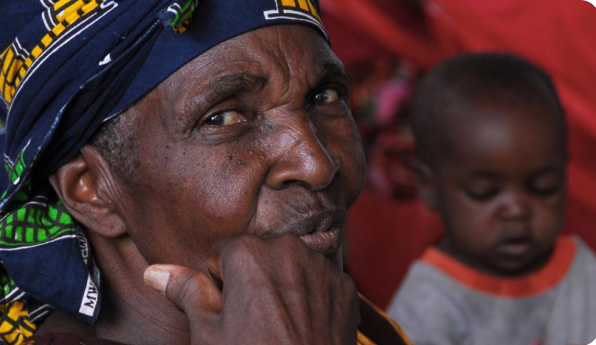
In a rural village in Nigeria, a 68-year-old woman rises before dawn to tend her small plot of cassava. She has no pension—she never worked in the formal sector—and her children have migrated to Lagos, the commercial capital, in search of work.
At night, her joints ache from decades of manual labor, but she cannot afford to see a doctor.
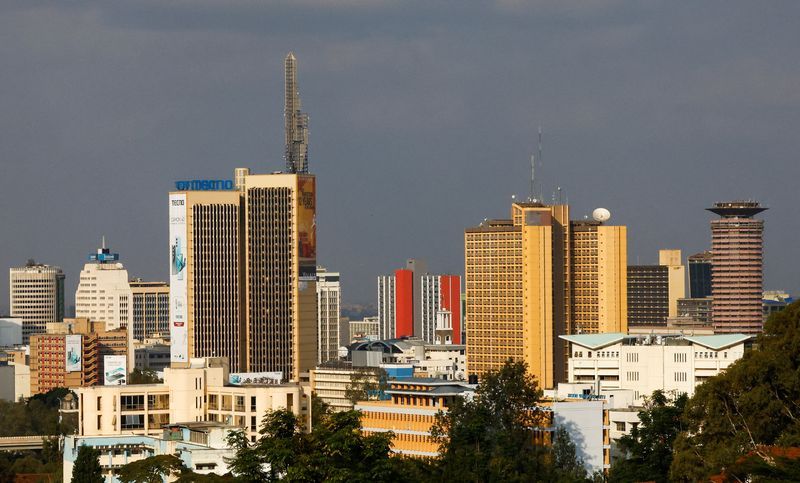
Across the continent in Kenya, a government official recently described a telling moment with his own son. When he told the young man that his grandmother was sick, the response was a shrug: “Mwambie nimesema pole”—tell her I said sorry.
These two scenes, separated by thousands of miles, capture the same story: longer lives are not automatically healthy ones. And as the world marks the midpoint of the UN Decade of Healthy Ageing (2021–2030), a new report from the World Health Organisation (WHO) finds both real progress and persistent gaps that threaten to leave millions of older people behind.
The numbers are stark. The global population aged 60 and over passed 1 billion in 2020 and is projected to reach 2.1 billion by 2050, with the fastest growth in low- and middle-income countries.
Between 2000 and 2023, the gap between life expectancy and healthy life expectancy at age 60 actually widened.
Covid-19 effect
Further, an estimated 71% of excess deaths globally from COVID-19 between 2020 and 2023 were among people aged 60 and over.
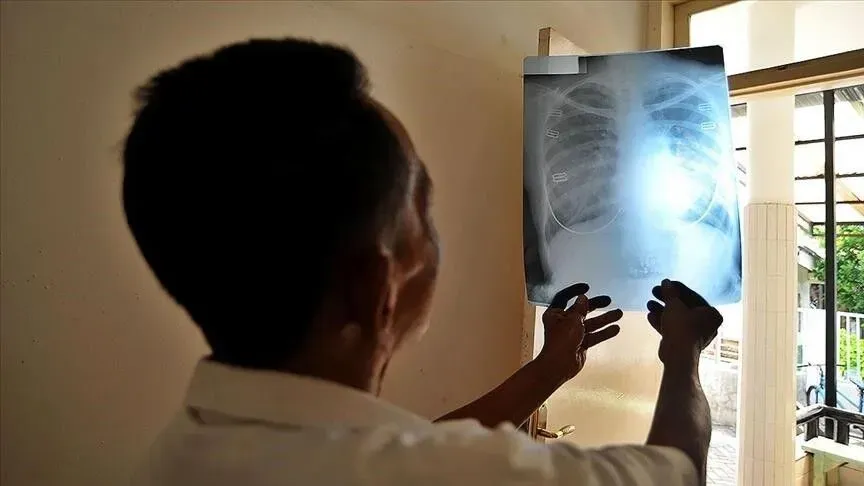
According to Nigeria’s Centre for Disease Control and Prevention (NCDC), the country recorded at least 3,000 confirmed COVID-19 deaths, with the highest fatality rates among people aged 60 and above due to underlying conditions, even though younger groups had more cases.
Kenya recorded about 5,600 deaths, with older adults aged 50 and above bearing the vast majority of severe illness and death, according to the Ministry of Health.
The WHO midpoint report, transmitted by the UN Secretary-General to the 81st session of the General Assembly, documents genuine gains. More countries than ever now have legislation against age-based discrimination—up from 44.5% in 2018 to 57.7% today.
Over half have national long-term care policies, dedicated programmes to build age-friendly environments, and comprehensive health and social assessments of older people.
“Longer lives are one of humanity’s great achievements, but we cannot congratulate ourselves while leaving millions without health and support,” says Dr Pascale Allotey, Director of WHO’s Department of Sexual, Reproductive, Maternal, Child and Adolescent Health and Ageing.
“The first half of the decade has shown what is possible. The second half must be about scaling and financing the progress to meet the needs and rights of older persons.”
‘Healthy ageing is working’
New WHO guidance on long-term care and Integrated Care for Older People (ICOPE) is enabling systemic change as countries incorporate these services into national universal health care benefit packages.
“This report shows the Decade of Healthy Ageing is working,” states Dr Ritu Sadana, Head of the WHO Secretariat for the UN Decade of Healthy Ageing.
“More countries are legislating against ageism, providing integrated care, strengthening long-term care systems, and creating age-friendly environments than ever before, in all regions and income levels. But progress is uneven and in one area, regressive. Fewer countries report active multi-stakeholder forums on ageing, down from 53.1% in 2020 to 43.3% today. The second half of this decade must turn commitments into results, in every country.”
If progress has a ceiling, it is money. More than a third of reporting countries (33.8%) have very little or no dedicated resources to develop long-term care, with similar shortfalls across the decade’s other priority areas.
Less than half of countries (45.4%) have legislation providing access to assistive devices—hearing aids, spectacles, rollators—that are key to maintaining independence and dignity. And only 22.7% of countries can track older people’s health over time, the largest gap across the decade’s core indicators.
For a Nigerian woman farming cassava into her late sixties, these aren’t abstractions. Nigeria’s pension system covers only about 3% of older adults, and roughly 70% of older Nigerians are classified as poor or economically vulnerable.
Many continue physically demanding work well into old age because they cannot afford to stop. The traditional family support system, meanwhile, is under strain as younger generations migrate to cities or abroad.
Longer lives
The economic case for investment is clear.
“Investing in healthy ageing is not simply a cost; it is one of the highest-return investments a government can make,” says Fiona Stewart, Global Lead for Ageing and Pensions at the World Bank Group.
“Countries that invest early in integrated and long-term care see savings that outweigh the upfront cost many times over. The evidence in this report makes the economic case; what is now needed is predictable financing at country level to act on it, along with efforts to support older entrepreneurs.”
The report draws on the direct experience of older people themselves, including a multilingual global survey by the International Federation on Ageing that reached more than 1,000 older people across 58 countries.
Their testimony echoes what researchers find across Sub-Saharan Africa: traditional systems of family care are fraying under the pressures of urbanisation, economic hardship, and migration, leaving older people increasingly isolated and without reliable support.
Yet the same communities are also innovating. In Kenya’s Kibera settlement, intergenerational self-help groups bring younger and older residents together to advocate for better services, recognising that today’s young people are “older people in waiting”.
In Narok, Maasai elders run sustainable agricultural initiatives that promote food security while keeping older people productive and connected.
As the Decade of Healthy Ageing enters its second half, WHO and UN partners are calling on Member States to accelerate implementation, strengthen data systems, and secure the financing needed so that the gains of longer lives reach older people everywhere.
For the Kenyan official whose son shrugged at his grandmother’s illness, the stakes are personal. But so is the opportunity.
“We cannot congratulate ourselves,” Dr Allotey warns, “while leaving millions without health and support.”
The next five years will determine whether that warning becomes a catalyst—or an epitaph.