France Defends UN Abstention on Slave Trade Resolution
Editor:
Halimatou HAMADOU DJIBO


Paris says it avoided ranking historical crimes, despite global support for the measure
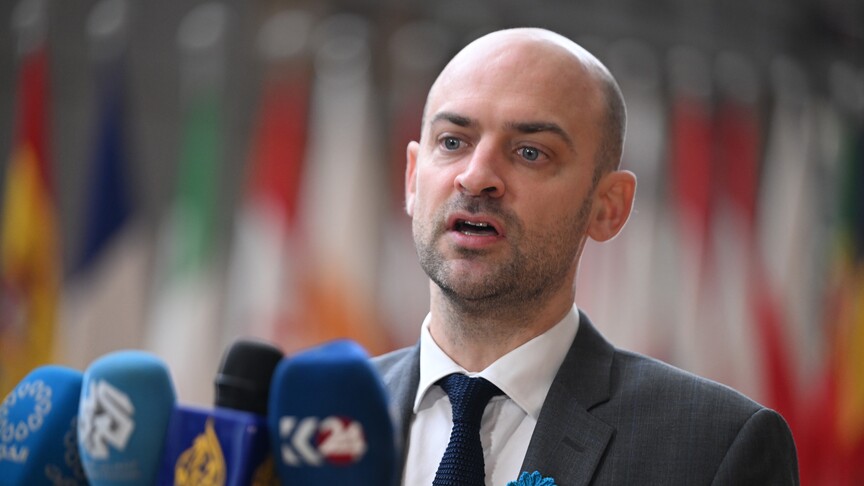
France has explained why it chose to abstain from a major United Nations General Assembly resolution recognizing the transatlantic slave trade as the gravest crime against humanity.French Foreign Minister Jean-Noël Barrot said the decision was based on principle. According to him, France did not want to create a “hierarchy” among crimes against humanity—meaning it did not want to rank one historical tragedy as worse than others.
The resolution, led by Ghana, was widely supported. It passed with 123 votes in favor, while only three countries—the United States, Israel, and Argentina—voted against. Several others, including European Union members, chose to abstain.
Beyond recognition, the resolution calls for reparatory justice. This includes measures such as official apologies, financial compensation, and actions to address ongoing discrimination linked to the legacy of slavery. It also urges countries to return cultural artifacts taken during the colonial era.
UN Secretary-General António Guterres emphasized the deep and lasting harm caused by the slave trade, noting how it destroyed families, communities, and human dignity while also fueling racist ideologies that persist today.
In simple terms, while most countries supported strongly condemning the transatlantic slave trade in the strongest possible terms, France chose to abstain to avoid setting a precedent of comparing historical suffering—highlighting an ongoing debate about how the world should remember and address past injustices.
Source: Newstimehub




Türkiye condemns Israeli activities along 'Sufa 53 line' in Syria's Quneitra
Ankara calls on the international community to take effective, decisive steps to end Israel's expansionist policies and ensure withdrawal from occupied Syrian territory.
Russia now treats Germany as 'main adversary': Berlin
Martin Jaeger says no other country poses such a direct and concrete threat, and adds that Moscow now treats Germany as a main adversary
Ronaldo can return to Portugal team if he wants: coach
The dispute began when Jesus left Ronaldo on the bench for Portugal's first win over Norway.




All rights reserved. Newstimetr © 2026