
Travel restrictions and regional conflicts raise uncertainty for teams and fans ahead of the 2026 tournament.

African teams are facing growing uncertainty as the 2026 FIFA World Cup, hosted by the United States, Mexico and Canada, approaches. Although the tournament will feature Africa’s largest-ever representation with nine teams, geopolitical tensions and travel restrictions are creating new challenges.
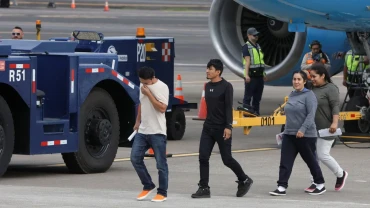
One major concern is U.S. travel restrictions affecting some countries, including Senegal and Côte d’Ivoire, whose supporters may face difficulties obtaining visas to attend matches scheduled in the United States. While players will still compete, limited fan access could affect the atmosphere and support for African teams during the tournament.
The situation is further complicated by rising tensions in the Middle East, following the conflict involving the United States, Israel and Iran that began on February 28. The crisis has already disrupted sporting calendars, with Qatar postponing several international matches, including warm-up games involving African teams such as Egypt.
Additionally, airspace closures across parts of the Middle East are affecting key travel routes often used by African teams traveling between Europe and North America. Egypt’s situation is particularly delicate, as the team has been drawn in the same group as Iran, a country currently involved in conflict with one of the tournament’s host nations.
The developments highlight broader concerns about Africa’s place and accessibility in global football, despite its record participation in the upcoming competition. African nations have historically fought for greater representation — including the 1966 boycott of World Cup qualifiers — and current challenges are once again raising questions about equal access for teams and supporters.
Source: Newstimehub


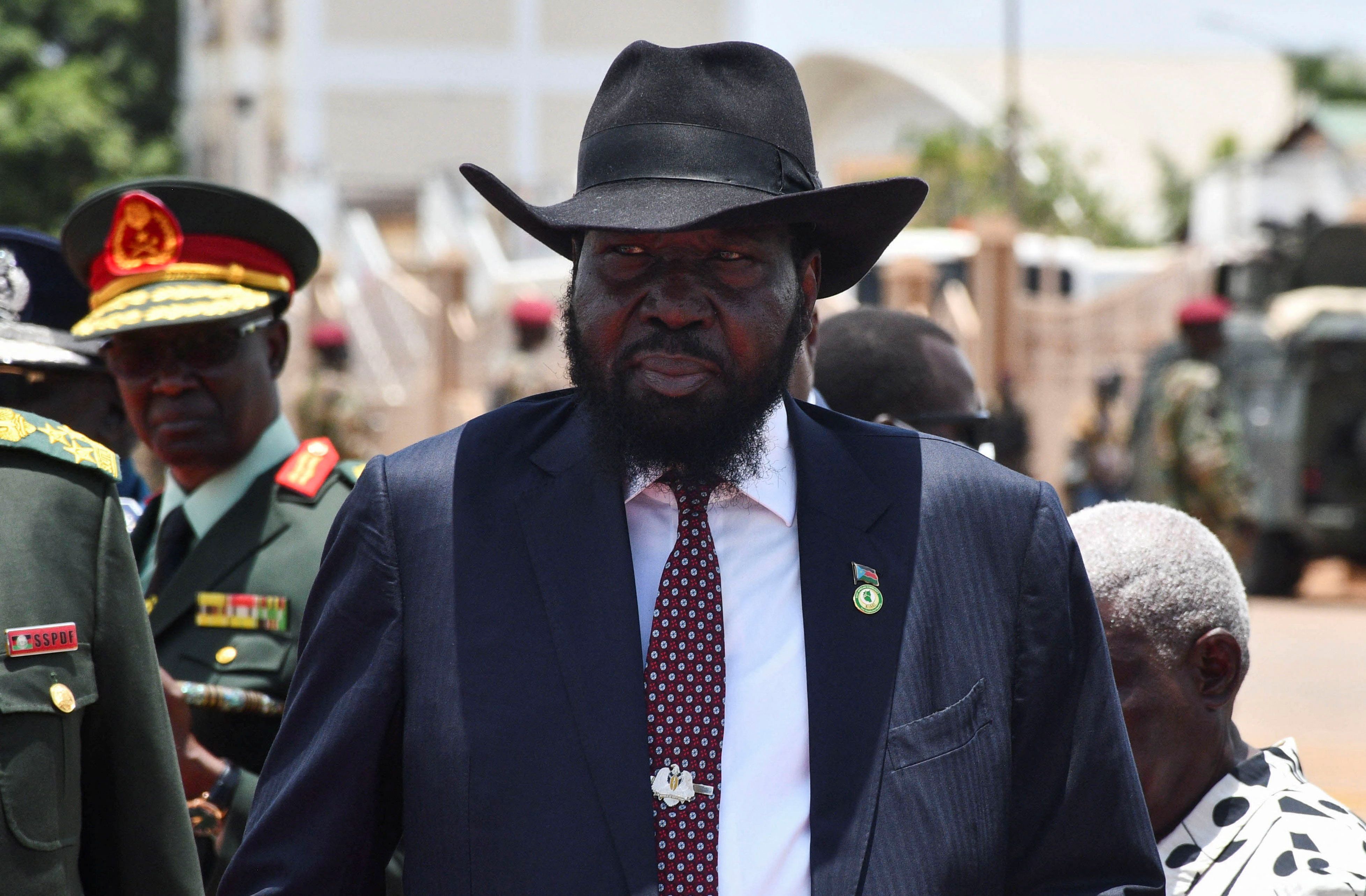
South Sudan replaces election chief three months before national elections
South Sudan's National Election Commission announced Dec. 22 as the date for the country's general elections.
US-South Africa diplomatic rift reopens following new visa restrictions
South Africa calls US allegations of uncompensated land seizures and race-based discrimination flawed and inaccurate.