

Rising fuel imports strain budget, prompting urgent government measures
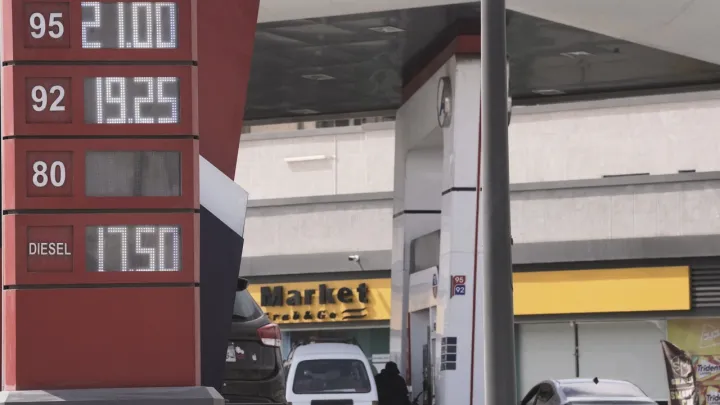
Egypt is grappling with a sharp surge in energy costs, as its import bill has more than doubled following the escalation of the US-Israeli war involving Iran.
Prime Minister Mostafa Madbouly said the country’s energy expenses have risen by up to two-and-a-half times compared to pre-war levels, with the monthly natural gas bill alone jumping from roughly $560 million to $1.65 billion for the same volumes.
The increase mirrors a broader global trend, with oil prices surging from $69 per barrel to over $108, while diesel and liquefied petroleum gas have also recorded steep gains. The spike is placing growing pressure on Egypt’s public finances.
Heavily reliant on fuel imports—particularly natural gas—Egypt remains highly exposed to global market shocks, especially as domestic production continues to decline after peaking in 2021.
Analysts warn that rising oil prices could push government spending up by as much as 0.55% of GDP, further tightening fiscal conditions.
In response, authorities have introduced a series of measures aimed at reducing energy consumption, including fuel price increases and earlier closing hours for businesses. From March 28, commercial venues will shut by 9 p.m. for at least one month.
The government is also considering implementing remote working for one or two days per week across both public and private sectors to ease demand and mitigate the impact of rising energy costs.
Source: Newstimehub



DRC police break up protests against proposed constitutional changes
Police in DRC dispersed opposition protests in several cities on Tuesday against proposed constitutional changes.
US government personnel shot by Eswatini soldiers during anti-smuggling operation
The Americans sustained “minor injuries” and there was an investigation underway, Eswatini government spokesperson told the AP news agency.
South Africa probes serial killer-style murders of seven women
One victim identified as a woman disappeared after leaving home for an afternoon run.