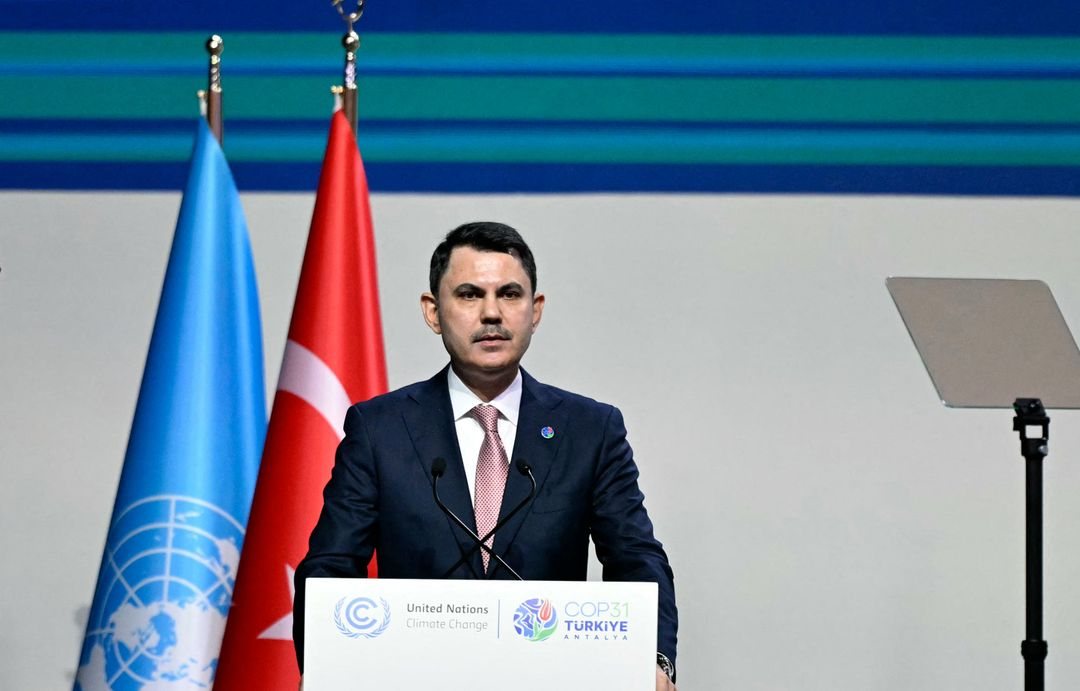
Antalya summit brings world leaders and negotiators together to push for faster emissions cuts, stronger climate resilience and greater support for developing countries.
The UN climate summit COP31 opens on Monday in Türkiye's Mediterranean city of Antalya, with governments under growing pressure to turn climate pledges into concrete action and increase support for vulnerable countries.
The November 9-20 conference brings together world leaders, ministers, negotiators, scientists and civil society representatives to discuss emissions reductions, climate adaptation and climate financing.
Türkiye holds the conference presidency, while Australian Climate Change and Energy Minister Chris Bowen will lead negotiations. A World Leaders' Summit is scheduled for November 11-12.
Held under the theme “COP of the Future – COP of Implementation”, the summit aims to translate climate commitments into measurable results.
The presidency's Action Agenda prioritises the transition to clean energy and electrification, zero waste and methane reduction, climate-resilient cities, green industrialisation, food security and the protection of oceans and seas.
Other priorities include youth and education, resilient health systems and cooperation on climate change, biodiversity and land degradation.
Proposed targets for 2035 include increasing electricity's share of global final energy consumption to 35 percent, reducing energy-use intensity in buildings by at least 25 percent and raising the global circular material use rate to at least 15 percent.
Financing and fossil fuel transition remain key challenges
Negotiators remain divided over funding for developing countries and efforts to accelerate the transition away from fossil fuels, following COP30's failure to agree on a roadmap.
The UN Environment Programme's 2026 Emissions Gap Report projects that global temperatures could rise by around 2.6°C this century even if countries fully implement their climate pledges, exceeding the goals of the Paris Agreement.
The report estimates that developing countries will need around $305 billion annually for climate adaptation by 2035. International public adaptation finance stood at between $28.2 billion and $31.7 billion in 2024.
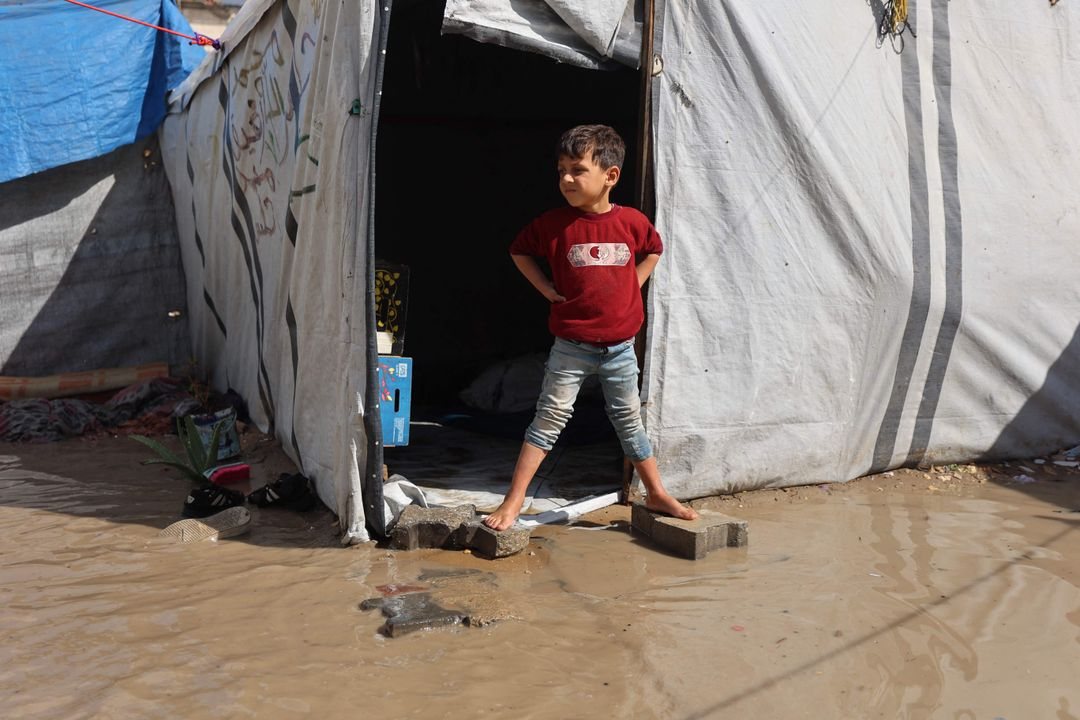
The summit follows a year marked by devastating floods, deadly heatwaves and prolonged droughts, intensifying calls for faster emissions reductions and greater financial support for countries most exposed to climate impacts.
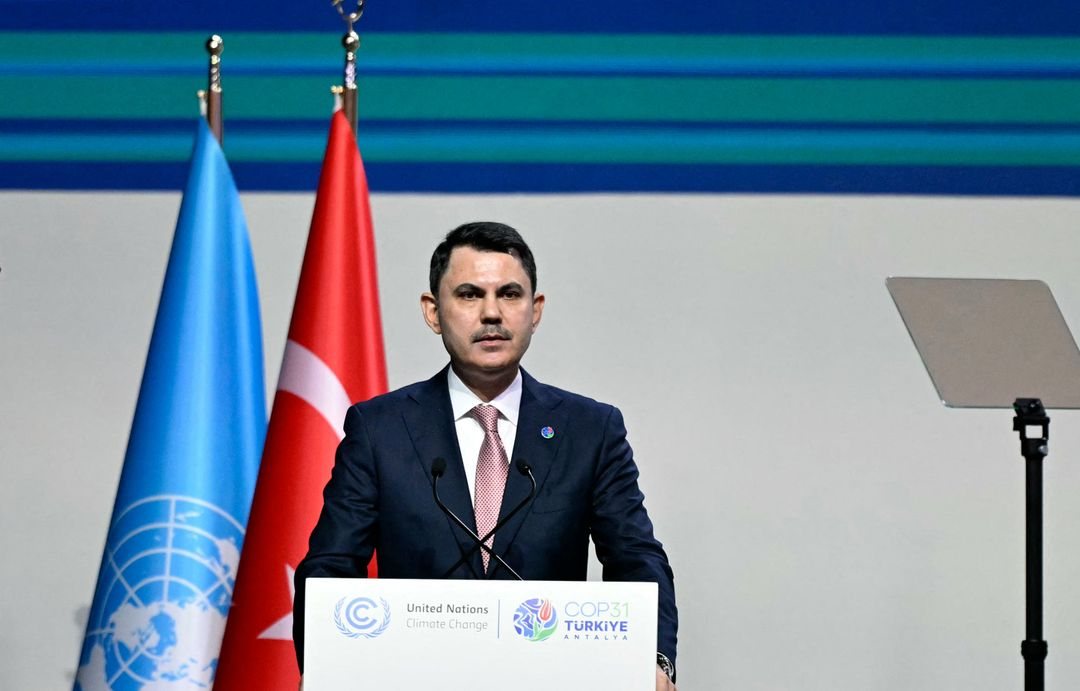
Antalya summit brings world leaders and negotiators together to push for faster emissions cuts, stronger climate resilience and greater support for developing countries.
Reports identify Alice Huang as an alleged Chinese spy with close ties to Nvidia chief Jensen Huang, while her former company faces scrutiny over suspected transfers of AI chips to China.