Low turnout and limited opposition raise concerns as economic gains contrast with persistent inequality and security risks.
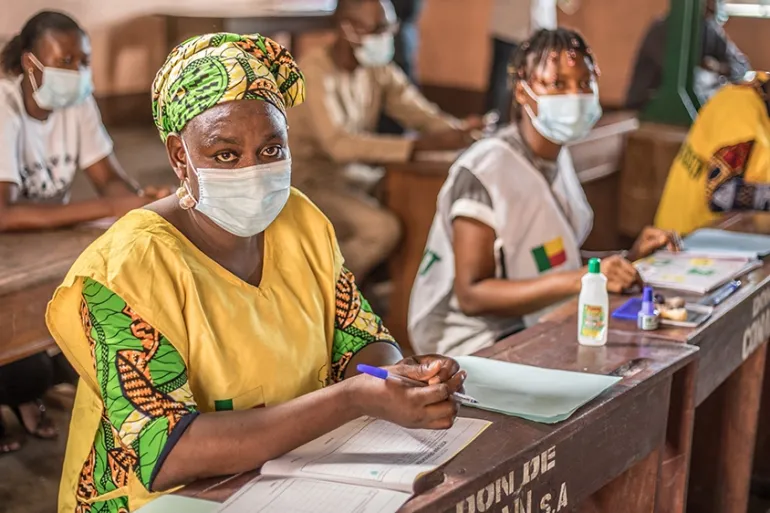
Benin’s presidential election proceeded in a largely calm environment, according to electoral commission head Sacca Lafia, despite reports from civil society groups citing around 100 irregularities, including early poll openings and concerns over ballot transparency.
Voter turnout appeared modest across parts of Cotonou, suggesting limited public engagement in a race widely viewed as lacking strong competition.
The ruling coalition’s candidate, Romuald Wadagni, is considered the clear frontrunner against opposition figure Paul Hounkpe, whose campaign has remained relatively low-profile. The absence of a major opposition contender has intensified concerns about political inclusiveness and the overall competitiveness of the election.
Under President Patrice Talon, Benin has recorded strong economic growth, with GDP expansion and infrastructure development marking his tenure. However, these gains have not been evenly shared, as poverty levels remain high, fueling public dissatisfaction.
At the same time, security challenges are increasing, particularly in northern areas affected by the spread of jihadist violence. This evolving threat adds complexity to the country’s political and economic outlook.
Young voters are increasingly calling for reforms, emphasizing the need for better social policies and stronger inclusion. With new constitutional rules extending presidential terms to seven years, the outcome of this election will shape Benin’s trajectory for years to come.
Source: Newstimehub

Related stories


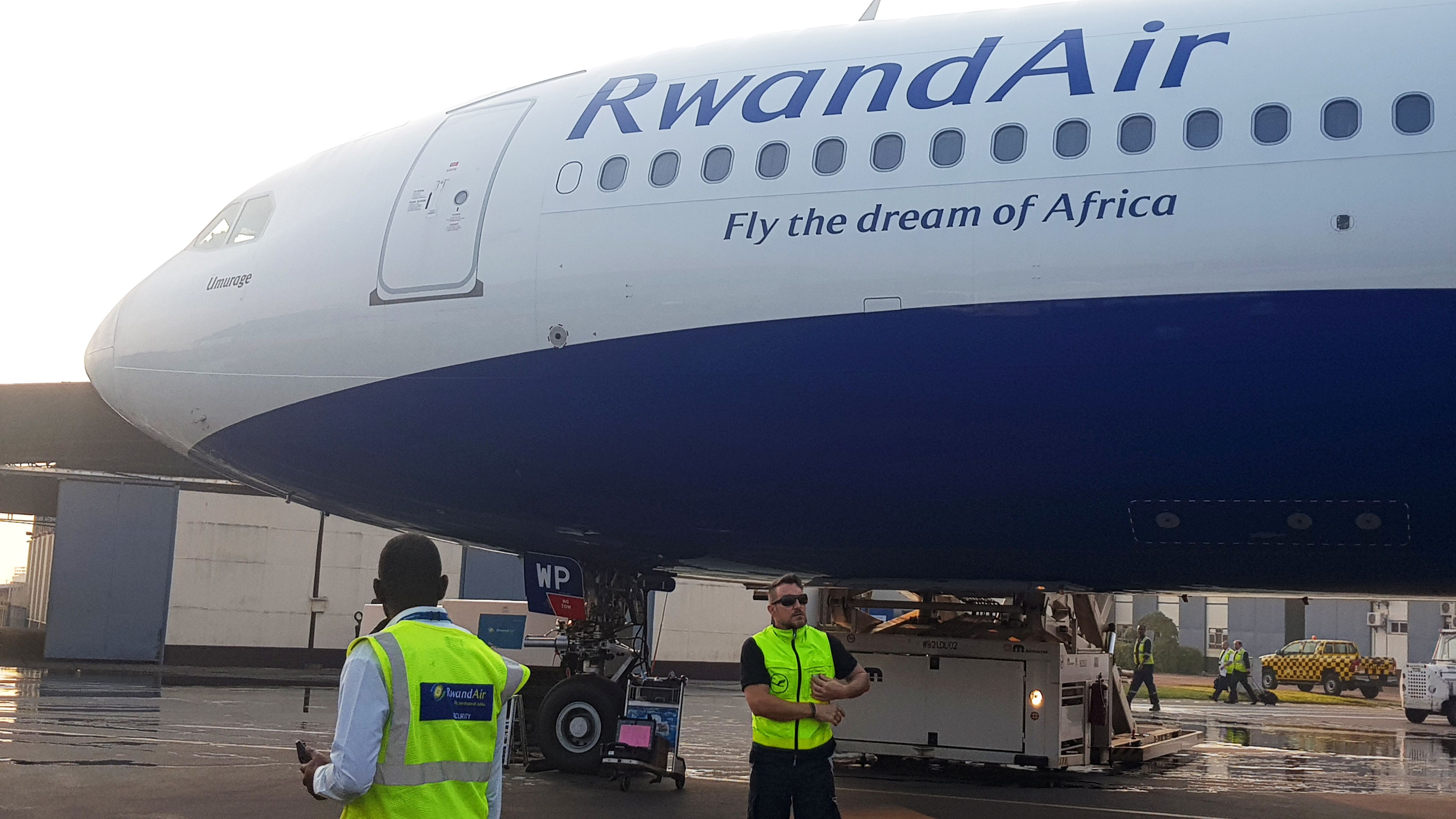
Qatar Airways lends pilots to Rwandan flag carrier as Iran war drags
A Qatar Airways spokesperson said the voluntary short-term secondment opportunity offered valuable flying opportunities for pilots.
Will Africa ever get permanent seats on UN Security Council?
World leaders, particularly from Africa and the wider Global South, have argued that a body created more than 80 years ago no longer reflects the world it represents.
Erdogan: Mecca defence pact not aimed at Iran or Israel
President Erdogan says the Mecca Joint Defence Agreement reflects shared responsibility, not an alliance against any country, and is grounded in self-defence rights.