
S&P warns global tensions could impact financing costs despite favorable market conditions

African nations are projected to borrow approximately $155 billion in long-term commercial debt this year, marking a 10% increase compared to the previous year, according to a report by S&P Global Ratings.
The surge in borrowing is primarily driven by efforts to refinance maturing obligations and manage growing fiscal pressures. By 2026, total outstanding sovereign commercial debt across the continent is expected to exceed $1.2 trillion, representing nearly half of Africa’s combined economic output.
Egypt, South Africa, and Morocco are anticipated to lead issuance, reflecting their larger financing needs and access to international markets.
However, S&P cautioned that ongoing geopolitical tensions—particularly the conflict involving Iran—could influence borrowing plans and increase issuance costs. Disruptions to key shipping routes such as the Strait of Hormuz may drive up energy prices, putting additional strain on economies heavily reliant on imported fuel.
Countries like Angola, which maintain fuel subsidies, could face increased fiscal pressure as rising prices widen budget deficits. Nonetheless, the report notes that relatively favorable global liquidity conditions and lower external financing costs may help offset some of these risks.
Across the region, the median annual debt servicing cost for 27 rated African countries stands at around $1.5 billion, supported in part by continued access to concessional financing from multilateral institutions such as the World Bank.
While current market conditions offer some relief, S&P warns that prolonged geopolitical instability could weaken fiscal positions, drive inflation, and complicate financing strategies across the continent.
Source: Newstimehub


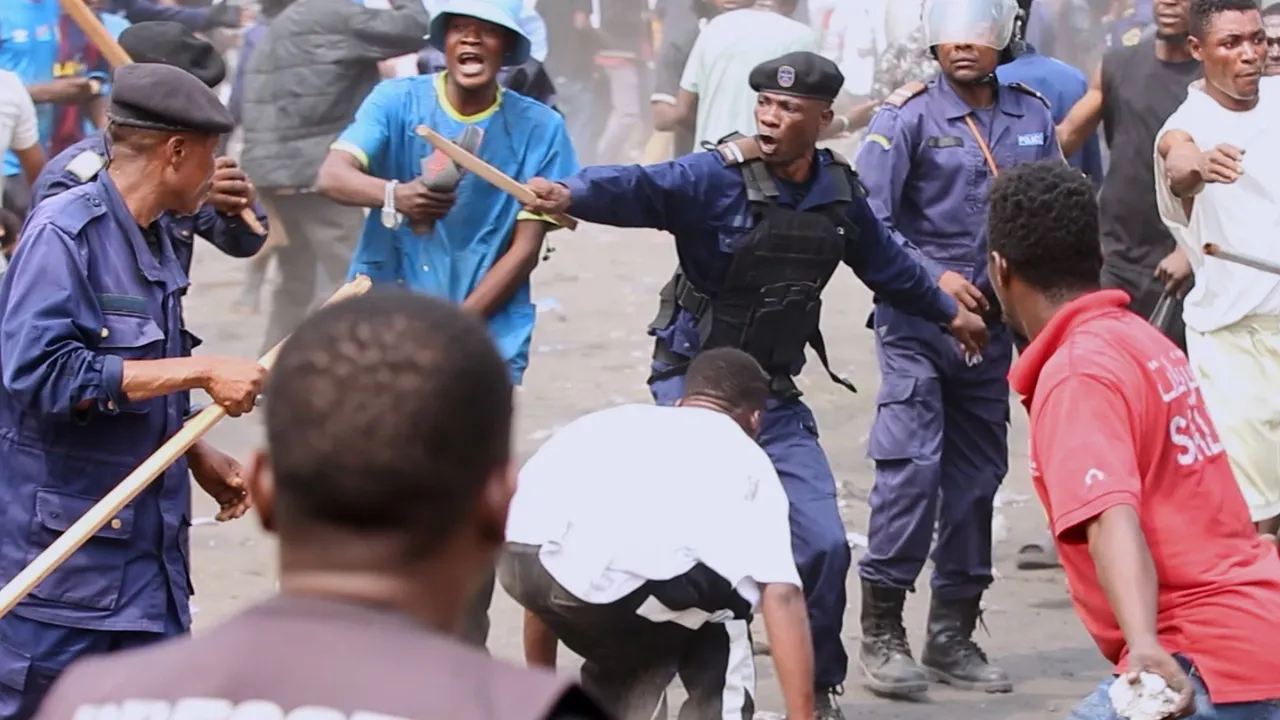
DRC police break up protests against proposed constitutional changes
Police in DRC dispersed opposition protests in several cities on Tuesday against proposed constitutional changes.
US government personnel shot by Eswatini soldiers during anti-smuggling operation
The Americans sustained “minor injuries” and there was an investigation underway, Eswatini government spokesperson told the AP news agency.
South Africa probes serial killer-style murders of seven women
One victim identified as a woman disappeared after leaving home for an afternoon run.