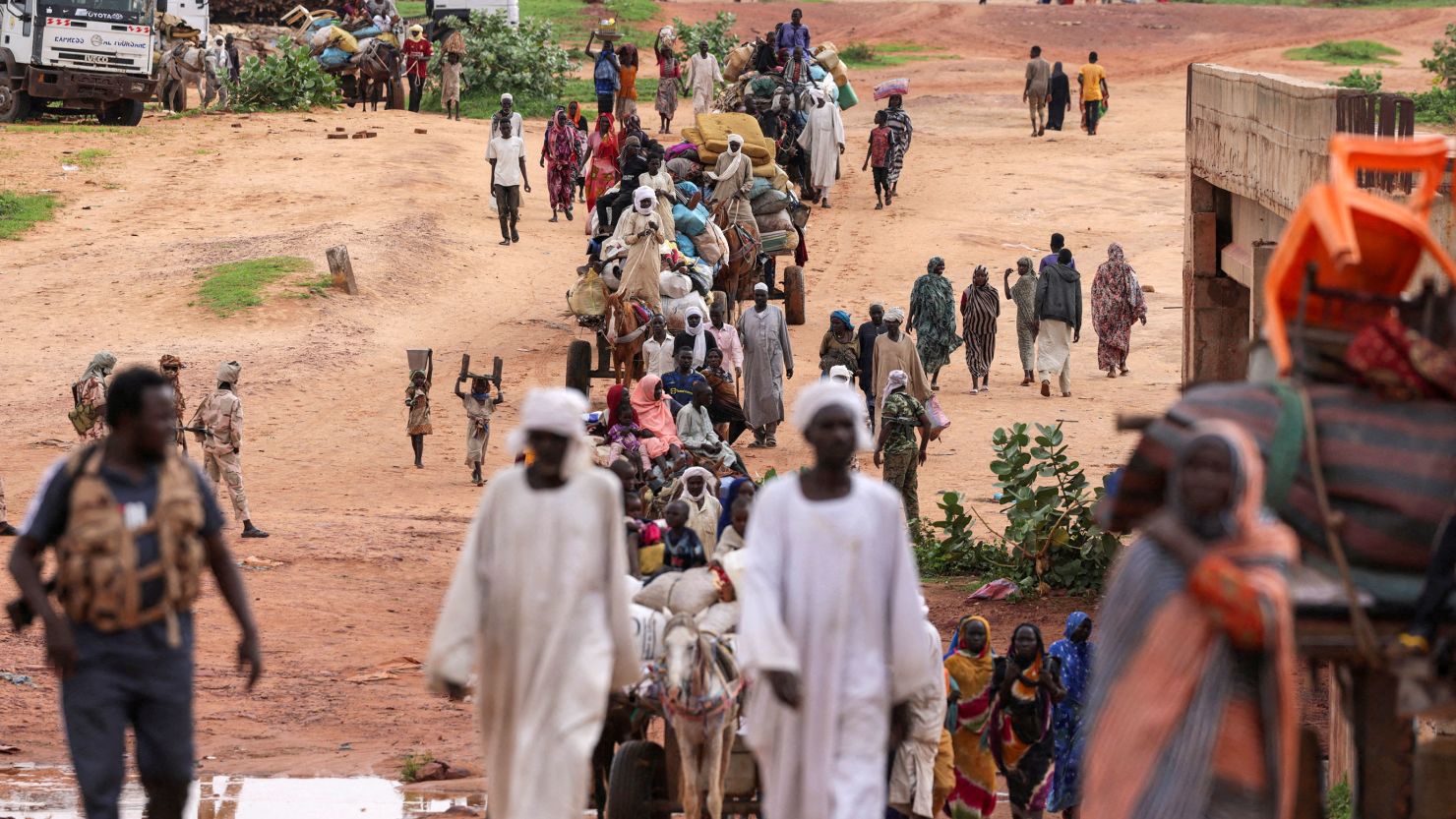

Cabo Verde, Mauritius and Seychelles have shown measles can be eliminated with universal vaccination even as preventable outbreaks recur in parts of the continent with low immunisation coverage.
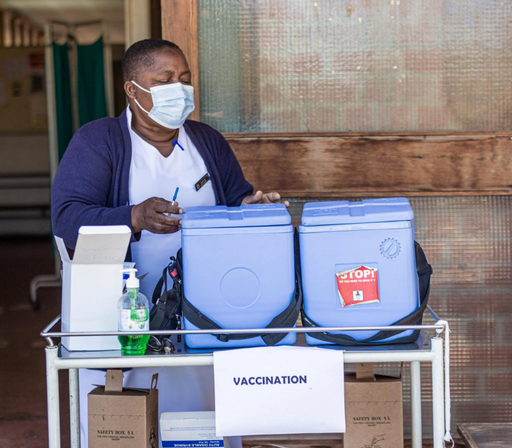
Grace Mwale didn't budge from her two-year-old daughter Chisomo's bedside in a Lilongwe clinic for three successive nights in January 2024, her mind replaying what she might have missed that led to this.
The fever came first; then a harsh, dry cough. Chisomo's eyes turned red and watery, with increased sensitivity to light.
Inside her mouth, tiny white spots appeared against inflamed tissue. These were the Koplik spots doctors recognise as measles. Then came the rash – flat and red, spreading from her hairline downwards.
"It was like fire spreading through her skin," Grace, a Malawian, tells TRT Afrika. "The cough, the high fever...I only prayed. The doctors worked so hard. They told me her condition had progressed to pneumonia."
Chisomo survived, but it took months for her to regain her health.
"I thought measles was just a normal childhood rash. I did not know it could become so serious. I will never forget how my daughter suffered," Grace says. "Now, everyone I know, I tell them: vaccination is not an option, it is a shield you must give your child."
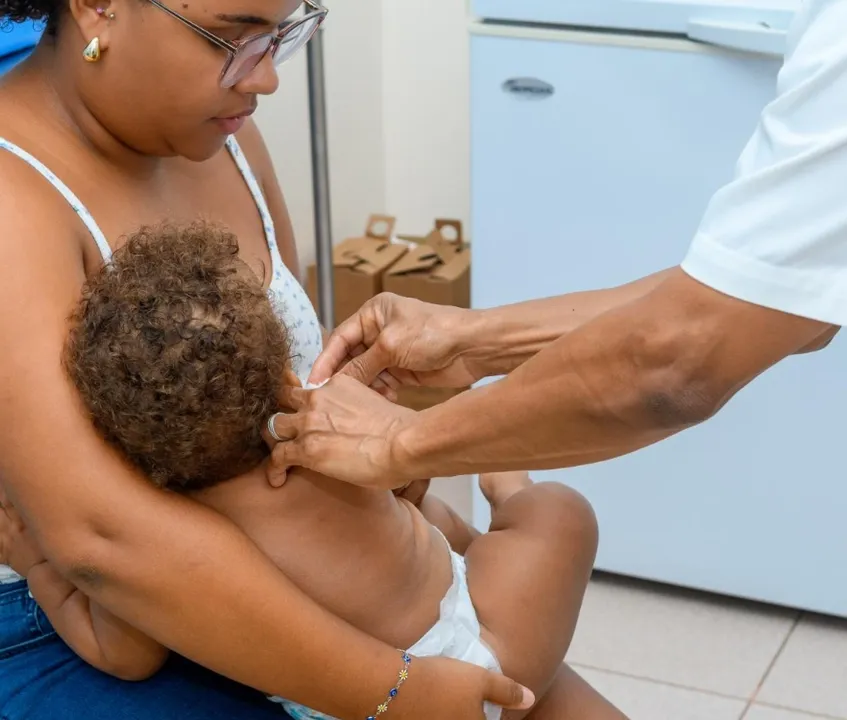
Thousands of miles away, in the remote Kasai region of the Democratic Republic of Congo, Julien Kabasele's story followed the same pattern of symptoms. But his three-year-old son Emmanuel was not as fortunate.
"My son got his first measles shot at a mobile clinic last year," recalls Julien. "They wrote his name in a book and asked us to visit the health centre in six months for the second dose."
But the health centre was a long bicycle ride away, and the rains that season were the worst in memory. There was flooding everywhere. By the time Julien took his son to the centre, measles was sweeping through their community.
"He had such high fever that it made him tremble. He had a miserable cough, and his body was covered in rashes. We tried traditional medicines but they were no match for this disease. He grew weak, his breathing became irregular," Julien tells TRT Afrika.
Emmanuel died from measles complications in a local clinic. He never got the advanced medical care he needed.
"That second shot we missed, it could have saved him," rues Julien.
Immunisation gaps
A World Health Organisation (WHO) report released on November 28 states that global immunisation initiatives have driven an 88% reduction in measles deaths since 2000, saving nearly 59 million lives.
On the flip side, in 2024 alone, an estimated 95,000 people died from the highly contagious virus, mostly children under five.
These deaths typically followed a trajectory of fever and cough to rash, and often to pneumonia, severe diarrhoea, encephalitis or blindness.
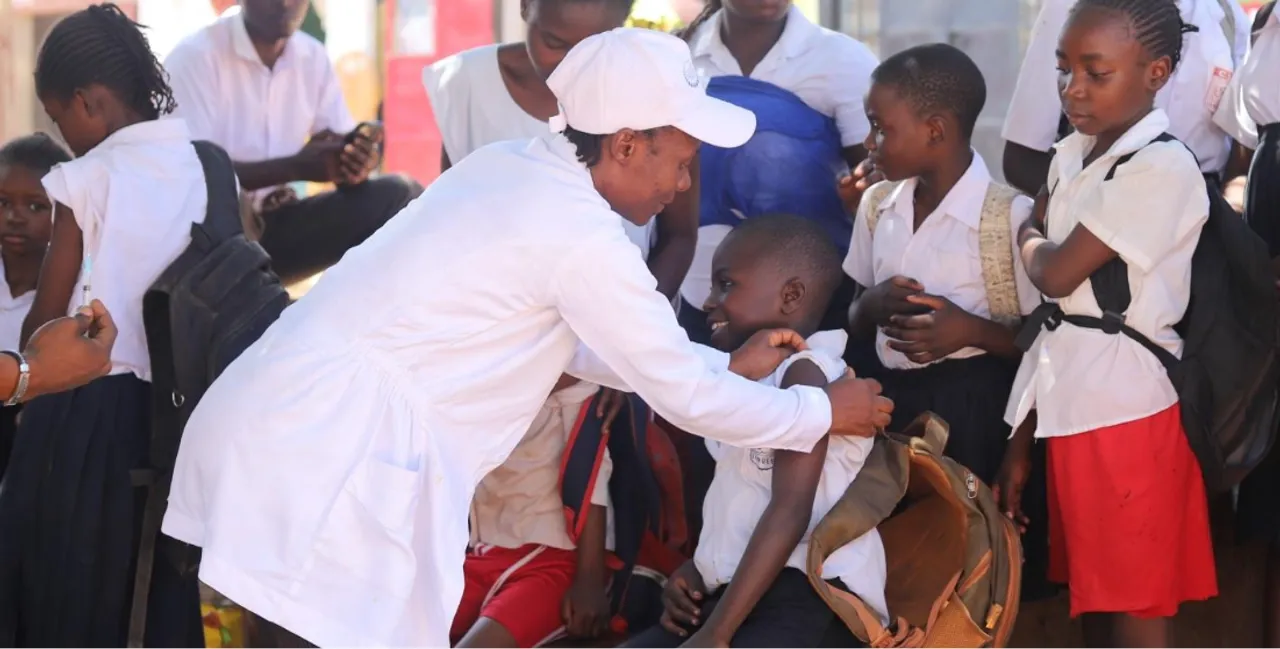
"Measles is the world's most contagious virus, and the data shows once again how it can exploit any gap in our collective defences against it," says WHO's director-general Dr Tedros Adhanom Ghebreyesus.
"Every death from a disease that could be prevented with a highly effective and low-cost vaccine is unacceptable."
Although global cases are surging – an estimated 11 million infections were reported in 2024, nearly 800,000 more than in 2019 – the WHO African Region has achieved a 40% decline in cases and a 50% reduction in deaths since 2019, attributed to efforts to improve immunisation coverage in several countries.
But this success masks disparities within the continent. While Botswana, Rwanda, Senegal and Tanzania reported a significant decline in the incidence of measles with strengthened immunisation programmes, DRC, Ethiopia, Madagascar and Angola experienced outbreaks attributed to low vaccination rates.
Globally, more than 30 million children missed their measles doses in 2024. A third of these children are from WHO's African and Eastern Mediterranean regions. Altogether 59 countries reported large or disruptive measles outbreaks, nearly triple the number in 2021.
Historic milestone
This year, Cabo Verde, Mauritius and Seychelles became the first countries in the WHO African Region to eliminate measles, joining 93 other countries globally to have done likewise.
But funding cuts are affecting surveillance and immunisation programmes. WHO's Immunisation Agenda 2030 Mid-Term Review warns that measles is often the first disease to resurface when vaccination drops.
For parents who have faced the virus, the data represents more than numbers.
"We have been through this, and we know how dangerous measles can be," says Grace. "Do not wait for your child to be infected before you act. A shield exists, and you better use it."


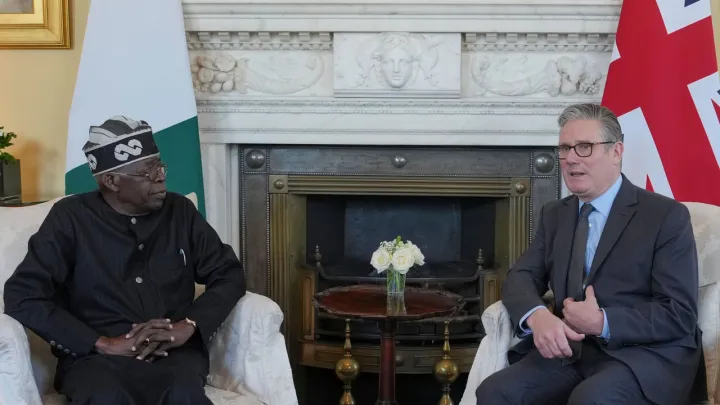
Nigeria's Tinubu speaks on terrorism threat as he meets UK prime minister
Nigeria's President Bola Tinubu talked of how his country faces a persistent terrorism "challenge" as he met Prime Minister Keir Starmer on Thursday as part of his state visit to the UK.
US intelligence chief says American and Israeli objectives in Iran not aligned
US spy chief says while Israel has been focused assassinating Iranian leadership, US is trying to destroy Iran's ballistic missiles launching and production capability, and Tehran's navy.
Islamic and Arab countries condemn Iran's attacks, call for de-escalation
A foreign ministers' meeting in Riyadh urges halt to strikes, respect for international law and warns against threats to key maritime routes.