Africa Steps Up Fight to Eliminate Leprosy
Editor:
Tuğçe Nur Kaya


WHO warns thousands of new infections persist as countries push stronger screening and anti-stigma efforts.
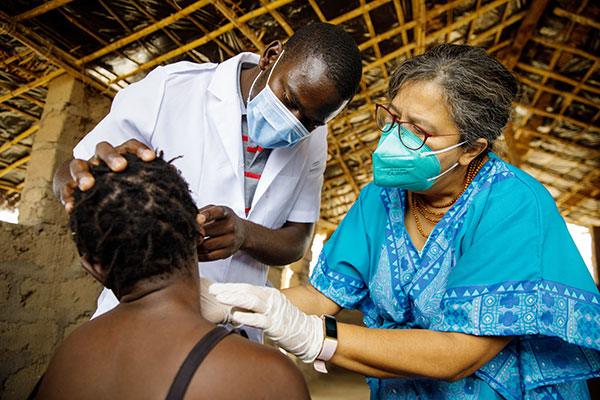
Health authorities across Africa are intensifying efforts to eliminate leprosy as thousands of new infections continue to be reported despite the availability of effective treatment.
According to the World Health Organization Regional Office for Africa, more than 19,000 new cases were recorded across the region in 2024, including infections among children — a sign that transmission of the disease is still ongoing in several countries.
To address the challenge, the WHO regional office in Brazzaville will host a working-level meeting aimed at accelerating elimination efforts and tackling the medical and social barriers slowing progress.
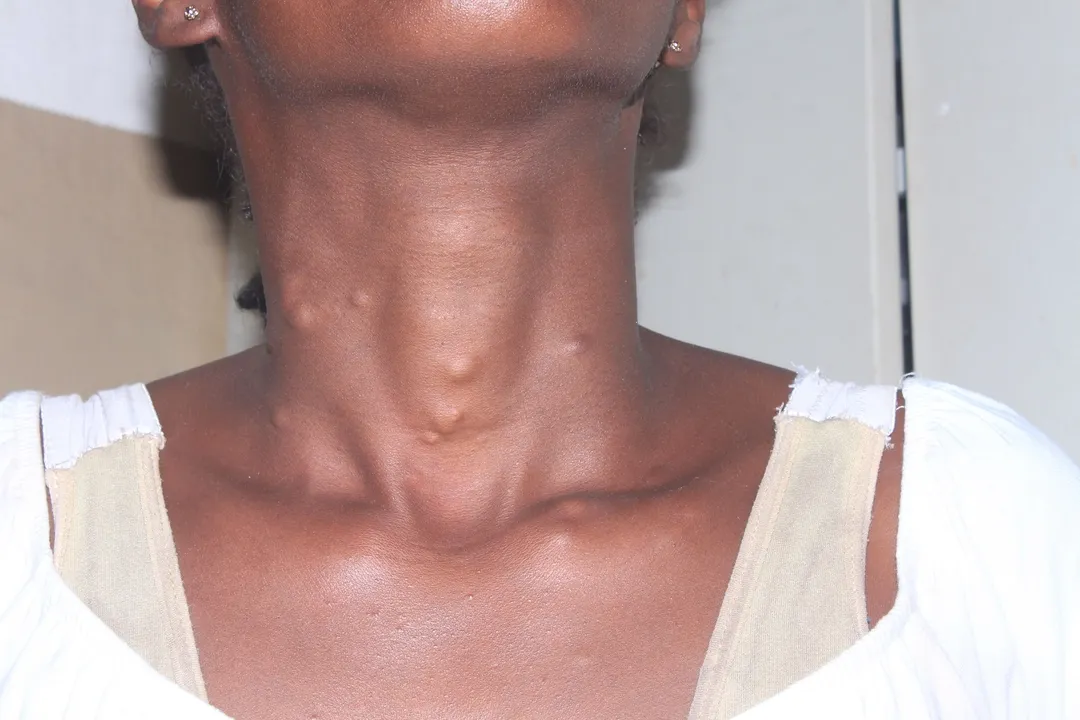
Health experts say delayed diagnosis remains one of the biggest obstacles, with many patients seeking treatment only after visible disabilities have developed. The disease is also closely linked to inequalities in access to healthcare, information and social protection.
Beyond its medical impact, leprosy continues to carry a heavy stigma in many communities. Misconceptions about the disease can lead to discrimination, social isolation, loss of employment and exclusion from education, even though people receiving treatment no longer transmit the infection.
For the first time, all countries in the WHO African Region have submitted national data on leprosy cases, reflecting a stronger regional commitment to tackling the disease. Several countries have reported no cases among children for years, while others are expanding community-based screening and integrating leprosy detection into broader skin disease programmes.
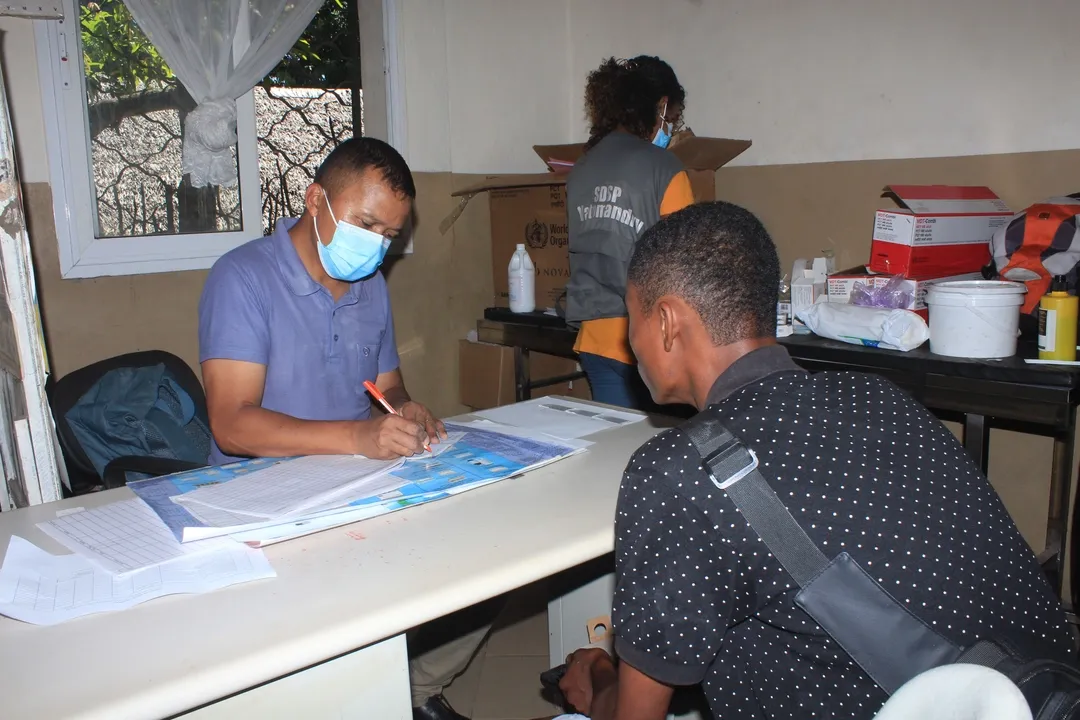
Dr. Dorothy Achu, head of the Tropical and Vector-Borne Diseases Unit at WHO Africa, said eliminating leprosy is not only a public health priority but also a matter of protecting dignity and human rights.
The upcoming meeting will also help prepare for the future Africa Zero Leprosy Conference, where health ministers are expected to make stronger commitments and adopt national strategies to eliminate the disease across the region.
Source: NewstimeHub





First participants injected in clinical trial for Ebola vaccine
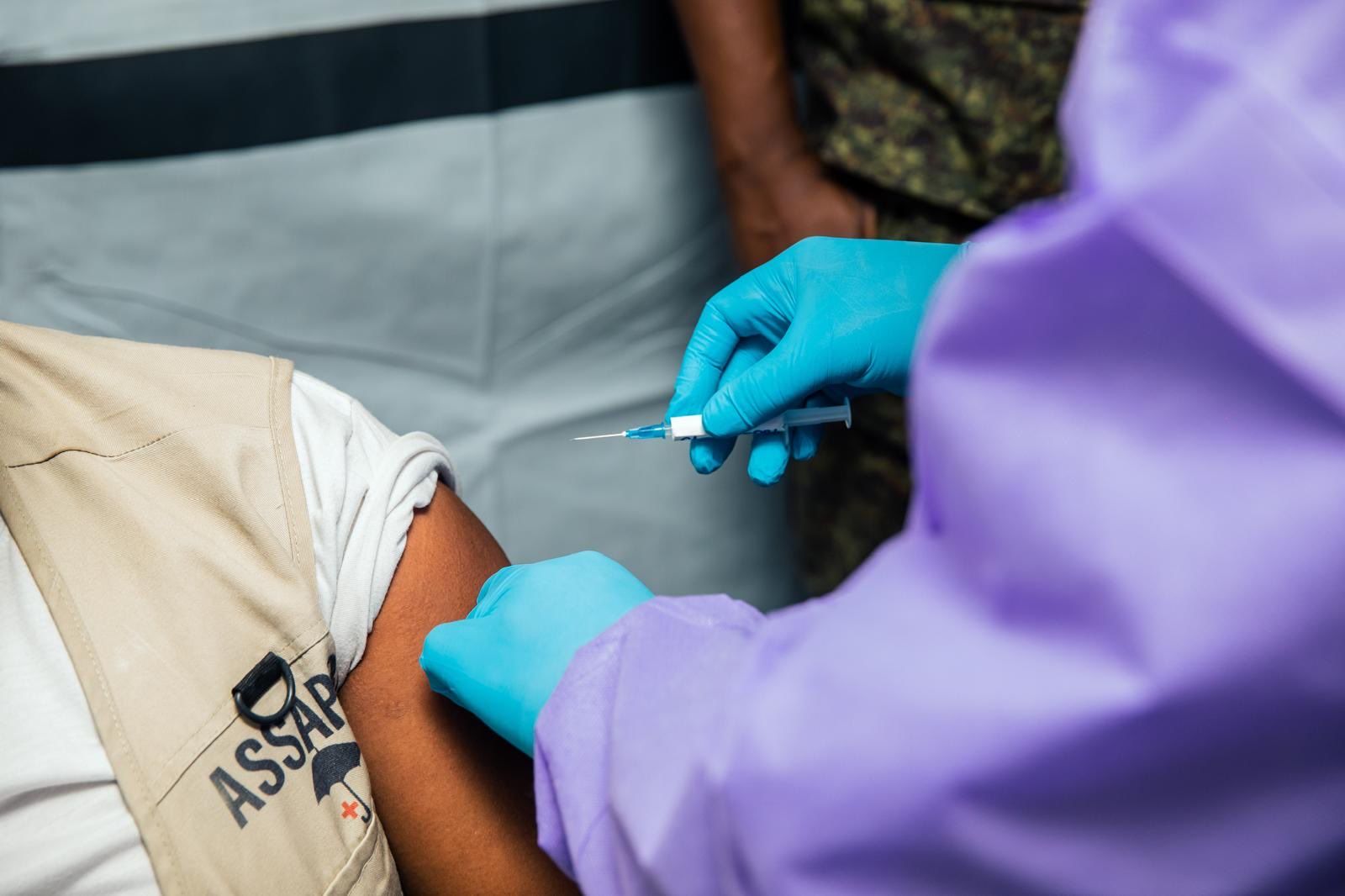
The first vaccine candidate to enter the trial is Ervebo with two other candidates expected to enter the trial shortly.
Kenyan world marathon champion Jepchirchir suspended for doping
Athletics Integrity Unit says the Olympic gold medalist tested positive for banned substance EPO in sample collected before Sydney Marathon victory.
Conditions ripe for Libya's reunification: Turkish FM
Turkish foreign minister calls for a unified national army and signals progress towards reunification, saying “very good news” could come soon.




All rights reserved. Newstimetr © 2026