Sean Cairncross' departure from his post comes after major outages disrupted travel, communications and e-commerce and even affected top-secret internal communications network at National Security Administration.
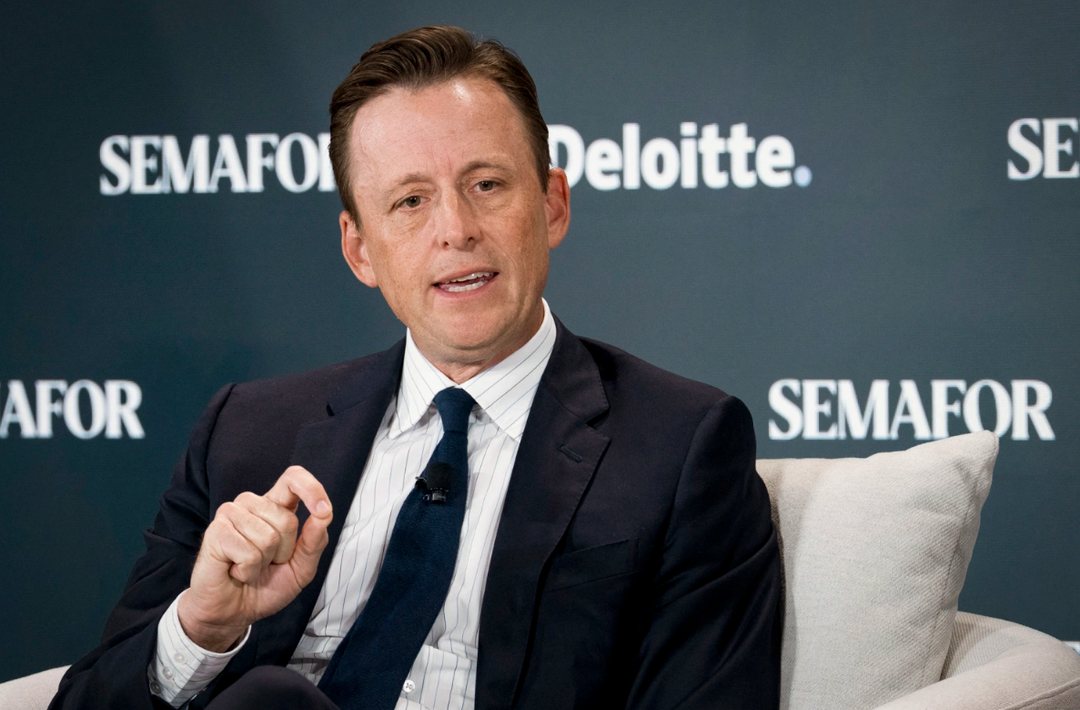
Cybersecurity chief Sean Cairncross has been fired from his post, a source close to the White House told the AFP news agency, following major outages and growing concerns about AI threats.
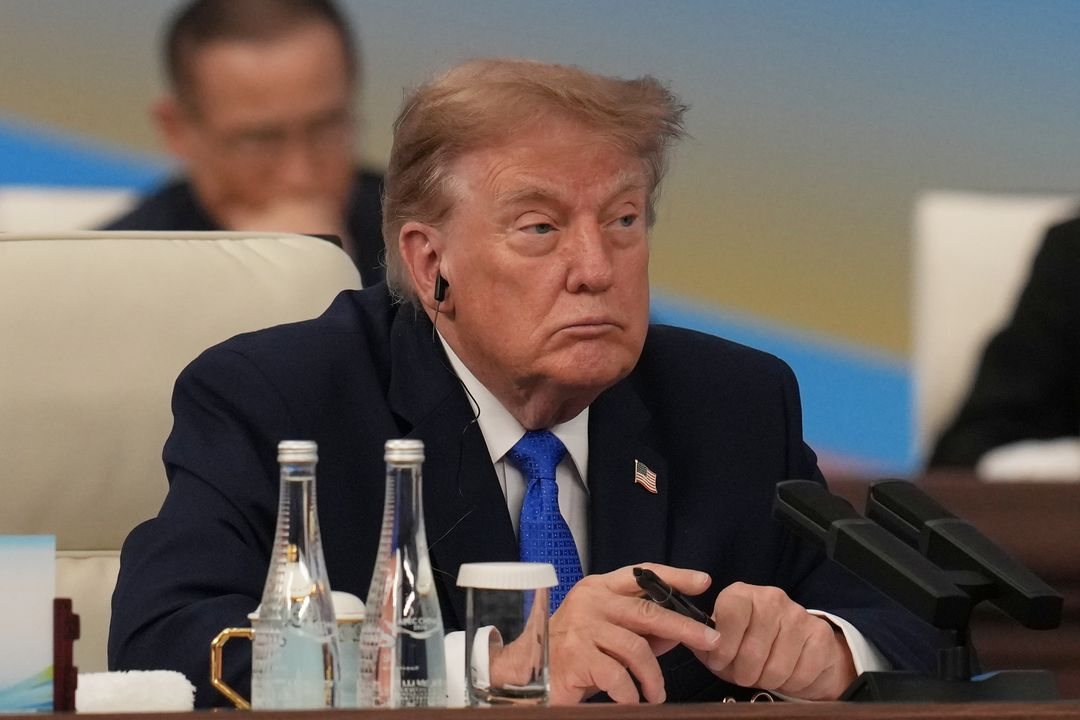
US President Donald Trump fully supported the firing because Cairncross lacked proper credentials to perform the job, the source told AFP on Thursday.
His role will be filled in an acting capacity by current Defense Department Chief Information Officer Kirsten Davies, who has more appropriate credentials and has been Senate-confirmed, the source said.
Prior to serving as National Cyber Director, Cairncross filled various roles as a White House insider during Trump's first term.
Prior to that, Cairncross worked as the Republican National Committee's Chief Operating Officer for the 2016 election cycle.
In recent days and weeks, major outages in America have disrupted travel, communications and e-commerce for countless users, but also affected a top-secret internal communications network at the National Security Administration.
Days of disruption
The problems began on November 12, when a major Microsoft 365 outage left users worldwide unable to access Outlook, Teams and other workplace services.
The disruption affected businesses, hospitals, schools and public agencies that depend on Microsoft's systems.
Microsoft traced the failure to a combination of software problems and ruled out malicious activity.
A day later, the FAA ordered a US-wide ground stop after a network malfunction disrupted air traffic control communications.
Thousands of flights were cancelled or delayed, leaving passengers stranded across the United States. (12,462 flight cancellations on November 13, including more than 9,000 by major airlines, according to the FAA, with further cancellations and delays on Saturday).
The trouble emerged during efforts to upgrade ageing telecommunications infrastructure.
On November 16, customers of Chase and several other top banks reported difficulties accessing services and completing transactions.
JPMorgan Chase blamed a software bug in its internal hardware systems, insisting the problem was not caused by hackers.
United Airlines suffered a separate technology failure the same day, delaying hundreds of flights after systems used by flight crews stopped working.
Then came November 17.
The NSA reported problems with its classified internal communications network during scheduled maintenance. Officials said critical national security operations remained functional.
Apple also experienced disruptions affecting iCloud, account sign-ins and other services, which the company attributed to an internal software update.
Official reaction
A top US security officials however told Congress on Wednesday that the recent high-profile tech outages in the United States are unrelated and were not caused by "malicious" actors.
"These are separate service outages associated with maintenance and technical changes," Director of National Intelligence Jay Clayton told a House Homeland Security Committee hearing on "worldwide threats."
"We have no indication that they have come from external threat actors or state-sponsored actors," Clayton said.
The intelligence chief's remarks were echoed by Homeland Security Secretary Markwayne Mullin and FBI Deputy Director Christopher Raia.
"We have seen nothing that would indicate that they are related," Mullin said of the outages. "I'm 98 percent confident that this has nothing to do with our adversaries hacking or going after our systems."
"At this point, there is no indication whatsoever that there is any cyber malicious activity related to any of those incidents," Raia said.
TRT World and Agencies — TRT World and Agencies
Photo: AFP Archive