Microsoft chief says AI-driven vulnerability detection is accelerating security patching, potentially leaving companies less time to test fixes as systems face growing threats.
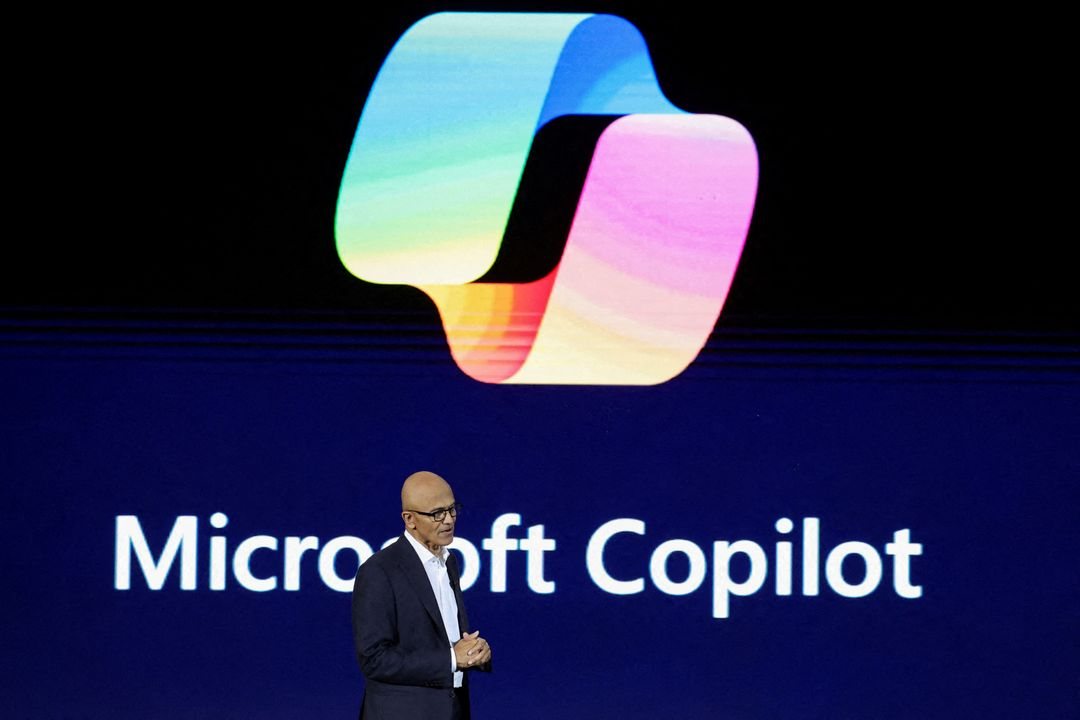
Microsoft CEO Satya Nadella warned on Wednesday that artificial intelligence could contribute to more technology outages as companies race to address cybersecurity threats and deploy software fixes.
Speaking at The New York Times DealBook Summit in New York, Nadella said AI tools were increasingly identifying software vulnerabilities, putting pressure on companies to patch security flaws before attackers could exploit them.
He cautioned that rushing to deploy fixes with less time for testing could introduce new bugs and destabilise technology systems.
AI could enable “essentially a nation-state level persistent attacker going after you all the time, so that means we have a lot of fragility,” Nadella said.
His remarks came less than a week after a global disruption to Microsoft's Outlook email service. Nadella said the November 13 outage, which affected Microsoft 365 services worldwide, was caused by a “perfect storm” of events that triggered a previously undetected bug.
Microsoft offers voluntary exit packages to 60,000 employees
Nadella also addressed Microsoft's decision to offer voluntary exit packages to approximately 60,000 employees as the company reshapes its operations around AI.
The programme was intended “to make sure that at least everyone felt like they had agency in making choices,” he told summit host Andrew Ross Sorkin.
Nadella said software engineering would remain a strong profession despite AI advances, but acknowledged that the technology was changing how teams were organised and how developers worked.
He pointed to a team of just 11 developers working on Microsoft's Cowork AI agent as an example of the evolving approach to software development.
However, he said restructuring a company founded more than five decades ago would take time and that some employees could decide to leave.
Nadella comments on Huang departure
Nadella also described Nvidia founder Jensen Huang's resignation as tragic, saying decisions about the company's future leadership rested with its board.
He expressed confidence in Nvidia's leadership, adding that he remained in contact with the same Nvidia executives as before Huang's reported departure.
“Founders are singular, but they are not gods,” he said, arguing that founders should take pride in building companies capable of succeeding beyond their leadership.
Huang resigned from Nvidia on November 12 after 33 years at the company amid controversy over allegations that he had affairs, including one with a suspected Chinese spy.
The billionaire distances himself from MAGA and says he would have spent less if he could do it over, after Democrats won control of Congress and scored major victories in Texas.
The agriculture ministry cites rising infections among wild migratory birds in neighbouring countries and recent outbreaks in domestic poultry, triggering tougher surveillance and preventive measures.