
Trump Announces Completion of Landmark Deal as Pakistan Confirms Official Signing Ceremony on Friday
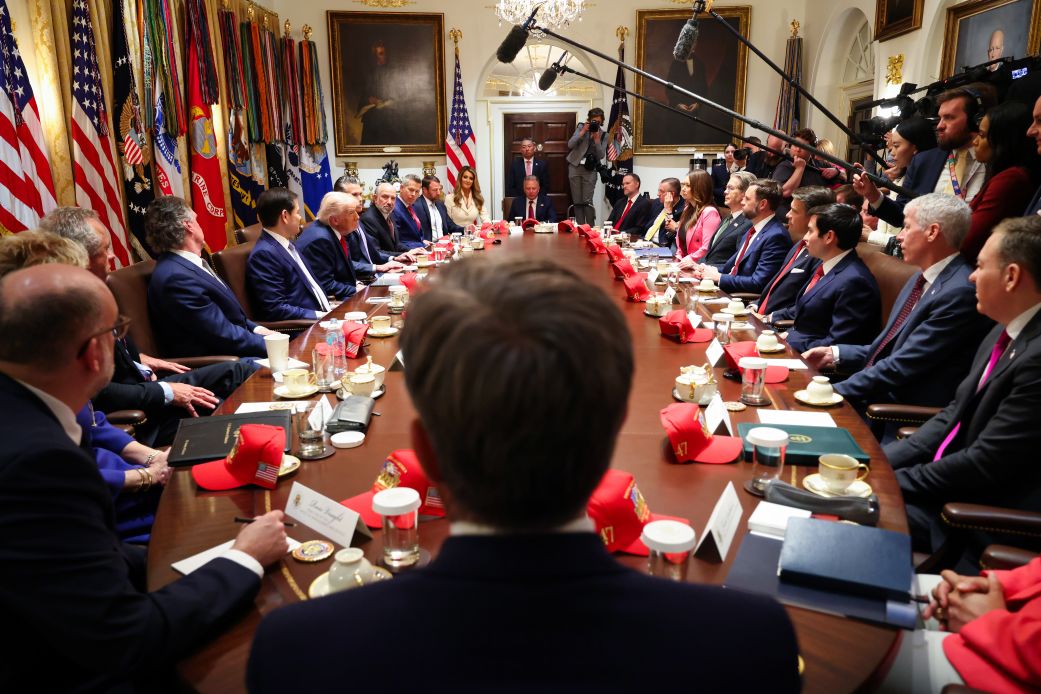
In a development that could reshape the geopolitical landscape of the Middle East and redefine diplomatic relations between two longstanding adversaries, United States President Donald Trump has announced that a peace agreement between the United States and Iran has been finalized. Adding further significance to the announcement, Pakistani Prime Minister Shehbaz Sharif confirmed that the official signing ceremony of the agreement will take place in Switzerland on Friday.
If successfully implemented, the agreement may represent one of the most significant diplomatic breakthroughs in recent decades, potentially ending years of hostility, military tensions, economic sanctions, and regional instability that have characterized US-Iran relations.
The upcoming ceremony in Switzerland is expected to draw global attention, with analysts describing it as a potential turning point not only for Washington and Tehran but for the broader Middle East.
A Historic Diplomatic Breakthrough
For more than four decades, relations between the United States and Iran have been marked by mistrust, confrontation, and repeated diplomatic crises.
From the aftermath of the 1979 Iranian Revolution and the hostage crisis to disputes over Iran's nuclear program, sanctions regimes, and regional security concerns, the relationship between Washington and Tehran has frequently influenced the strategic balance of the Middle East.
Against this backdrop, President Donald Trump's announcement that a peace agreement has been completed represents an extraordinary development.
According to Trump's statement, negotiations between the two sides have successfully concluded, paving the way for a formal agreement intended to establish a new framework for bilateral relations.
The announcement immediately attracted international attention, with governments, analysts, financial institutions, and regional actors closely monitoring the details of the accord.
While comprehensive information regarding the specific provisions of the agreement has yet to be publicly disclosed, the political symbolism of such a breakthrough cannot be overstated.
If implemented successfully, the agreement could alter decades of geopolitical assumptions regarding US-Iran relations.
Trump's Announcement Signals a New Direction
President Trump's declaration that the peace agreement has been completed marks one of the most significant foreign policy announcements of his administration.
Throughout his political career, Trump has repeatedly emphasized his preference for negotiated settlements over prolonged military confrontations, while simultaneously maintaining a policy of strong pressure toward adversaries.
The announcement regarding Iran appears to reflect this dual approach.
By declaring that the agreement has been finalized, Trump signaled confidence that both parties have found sufficient common ground to move beyond previous diplomatic deadlocks.
Political observers suggest that the agreement could potentially address multiple longstanding issues, including:
- Regional security concerns,
- Diplomatic normalization efforts,
- Economic cooperation mechanisms,
- Nuclear-related understandings,
- Confidence-building measures designed to prevent future escalations.
The exact structure of the agreement remains to be clarified through official documents expected to emerge following the signing ceremony.
Nevertheless, Trump's statement alone has already generated substantial debate among policymakers and international relations experts.
Supporters describe the development as a historic opportunity to reduce instability in one of the world's most volatile regions.
Critics, however, argue that the long-term success of any agreement will depend on effective implementation mechanisms and sustained political commitment from all parties involved.
Pakistan Emerges as an Important Diplomatic Actor
Another noteworthy aspect of this diplomatic development is the prominent role played by Pakistan.
Prime Minister Shehbaz Sharif's confirmation that the official signing ceremony will take place in Switzerland on Friday has highlighted Islamabad's growing diplomatic engagement in regional affairs.
Pakistan has historically maintained important relationships with both Iran and the United States.
Its geographical location, strategic significance, and longstanding diplomatic networks have often positioned Islamabad as an influential voice within broader discussions concerning Middle Eastern stability.
Sharif's announcement suggests that Pakistan may have played a constructive role in facilitating dialogue or supporting diplomatic initiatives aimed at reducing tensions.
Although details regarding Pakistan's specific involvement remain limited, international observers have welcomed the country's apparent support for peaceful conflict resolution.
For Pakistan, contributing to regional stability aligns with broader strategic interests.
Reduced tensions between the United States and Iran could positively impact regional security, economic cooperation, and international diplomatic efforts throughout Asia and the Middle East.
Switzerland Once Again Hosts Global Diplomacy
The decision to hold the official signing ceremony in Switzerland carries both practical and symbolic significance.
For decades, Switzerland has maintained a reputation as a neutral venue for international negotiations and conflict resolution initiatives.
Geneva and other Swiss cities have hosted numerous high-profile diplomatic engagements involving global powers.
The country's longstanding commitment to neutrality has enabled it to facilitate dialogue even among states with deeply strained relations.
Holding the US-Iran signing ceremony in Switzerland therefore reflects continuity with established diplomatic traditions.
It also reinforces the perception that the agreement represents a serious and internationally recognized effort to pursue peaceful engagement.
Diplomatic analysts note that the symbolism of Switzerland's involvement may help strengthen international confidence in the legitimacy of the process.
As Friday approaches, global attention is expected to focus on the ceremony, which may become one of the defining diplomatic events of the year.
The Long Road Toward Dialogue
The prospect of a peace agreement between Washington and Tehran appears remarkable precisely because of the complex history separating the two countries.
Since diplomatic relations deteriorated following the Iranian Revolution, numerous crises have shaped interactions between the two governments.
Economic sanctions, disputes over nuclear activities, regional conflicts, and military incidents have repeatedly complicated efforts to establish lasting dialogue.
Several previous diplomatic initiatives achieved limited progress before encountering significant obstacles.
These experiences have demonstrated that negotiations between the United States and Iran require patience, political will, and extensive confidence-building measures.
The reported completion of a peace agreement therefore suggests that both sides may have recognized the growing costs associated with prolonged confrontation.
Regional instability, economic pressures, and evolving international dynamics may have contributed to creating conditions more favorable to diplomatic engagement.
If sustained, the current process could mark the beginning of a fundamentally different chapter in bilateral relations.
Regional Implications for the Middle East
The significance of the agreement extends far beyond Washington and Tehran.
US-Iran relations have historically influenced numerous conflicts and political dynamics throughout the Middle East.
Any reduction in tensions between the two countries could potentially affect:
- Gulf security arrangements,
- Regional diplomatic initiatives,
- Energy market stability,
- Maritime security in strategic waterways,
- Broader efforts aimed at conflict prevention.
Countries throughout the region are expected to closely evaluate how the agreement may reshape existing alliances and strategic calculations.
Some governments may welcome the prospect of reduced tensions and greater predictability.
Others may adopt a cautious approach while assessing the practical implications of the accord.
Regardless of differing perspectives, few analysts dispute that improved US-Iran relations could significantly alter regional dynamics.
To be continued...


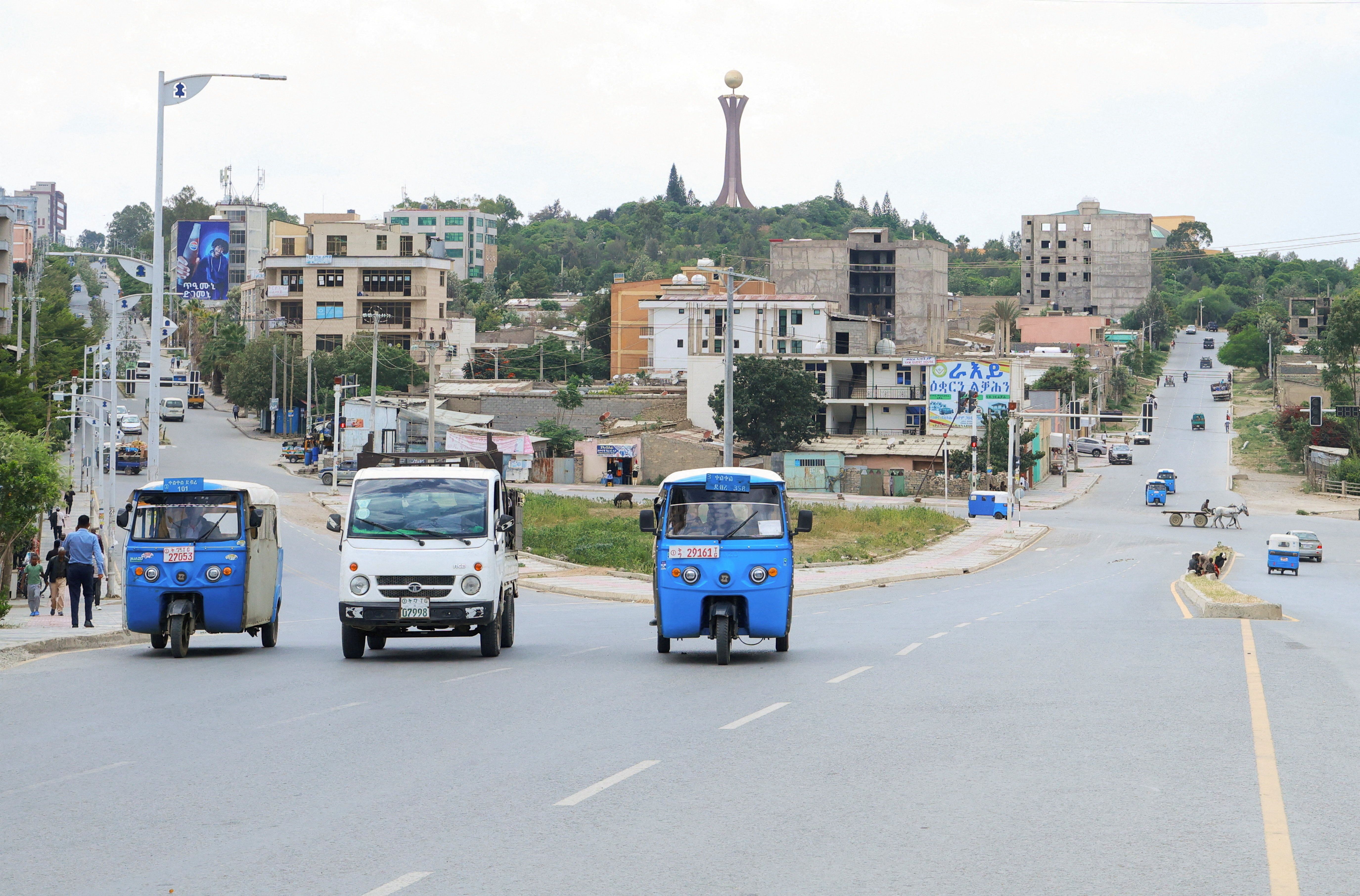
Ethiopia's army says it has foiled attacks by Tigray rebels
The army said it inflicted heavy personnel and equipment losses on the TPLF rebels.
The cost of UNGA: Who pays and who profits?
Member states make mandatory annual contributions based on capacity to pay, factoring in gross national income, external debt burden and per-capita income.
Sudan rejects US remarks questioning government legitimacy amid Burhan visa dispute
Khartoum urges Washington to respect Sudan’s sovereignty as activists and journalists criticise the reported linking of Transitional Sovereignty Council Chairman Abdel Fattah al-Burhan’s UN visa to a proposed 90-day truce.