Member states make mandatory annual contributions based on capacity to pay, factoring in gross national income, external debt burden and per-capita income.
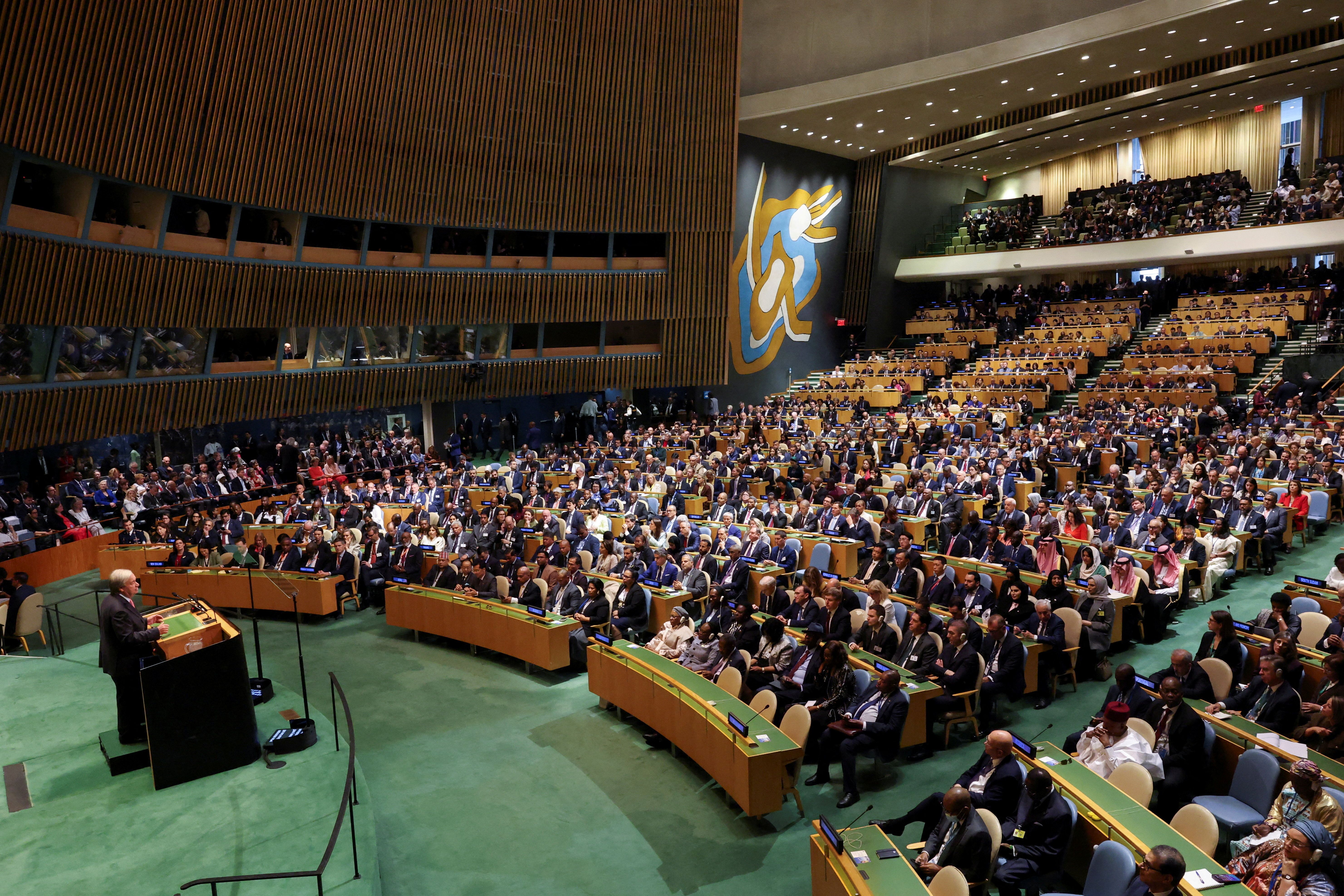
The world's attention is on the United Nations as leaders from more than 100 countries, including many from Africa, attend the 81st UN General Assembly in New York.
It is an annual gathering where key global and bilateral issues are discussed.
But what does it cost, who bears it, and who benefits?
The UN's regular budget for 2026 is $3.45 billion, 7 per cent lower than in 2025. It covers peace and security, sustainable development, human rights and political affairs.
The 193 member states make mandatory annual contributions based on capacity to pay, factoring in gross national income, external debt burden and per-capita income.
The US pays 22 %, which is more than $700 million in recent years, but has not paid for 2026. It usually pays late, and the Trump administration has indicated it intends to cut UN funding.
Many African countries have already paid their assessments.
As of 21 September 2026, 141 countries had paid in full.
Top African contributors
The top African contributors are South Africa – $7.98 million, Egypt – $5.8 million and Algeria – $2.7 million. The lowest contributors from the continent are Burundi, The Gambia and Sierra Leone – $31,790 each.
There is no publicly known budget line for UNGA itself, but reports say it costs millions from the overall budget.
Each country also funds its own delegation of heads of state, foreign ministers and other officials through taxpayers' money.
The biggest economic beneficiary is New York City. Hosting brings September traffic jams but big money.
A 2016 report by the Mayor's Office using 2014 data found the UN generated $3.69 billion in economic activity for New York City, supported 25,040 jobs, and produced $110 million in city revenue from taxes and local spending.
The city spent $31 million on security. But 73% of it was reimbursed by the federal government.
UNGA is a bonus for hotels, restaurants and transport.
Talking shop?
Held every September, UNGA gives all 193 states a voice, sets the global agenda, provides rare sideline bilateral meetings and sees deals signed.
However, it has been criticised as a talking shop with bloated speeches and non-binding resolutions that big powers ignore. More talk, less action.
Outgoing Secretary-General Antonio Guterres said in his final UNGA opening speech on 22 September 2026, that the UN must be “more responsive, more effective, more coherent, more transparent”.
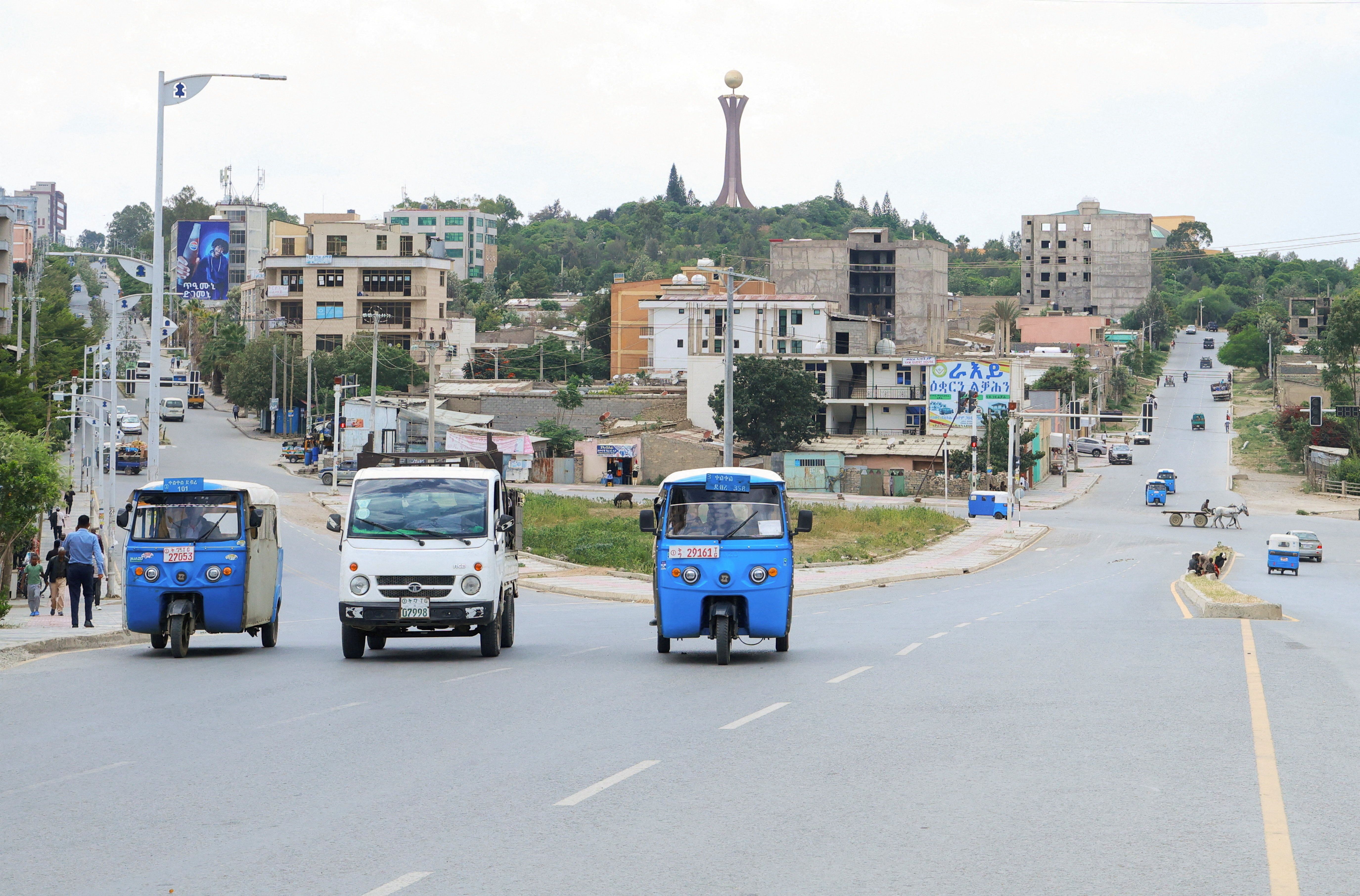
Ethiopia's army says it has foiled attacks by Tigray rebels
The army said it inflicted heavy personnel and equipment losses on the TPLF rebels.
The cost of UNGA: Who pays and who profits?
Member states make mandatory annual contributions based on capacity to pay, factoring in gross national income, external debt burden and per-capita income.
Sudan rejects US remarks questioning government legitimacy amid Burhan visa dispute
Khartoum urges Washington to respect Sudan’s sovereignty as activists and journalists criticise the reported linking of Transitional Sovereignty Council Chairman Abdel Fattah al-Burhan’s UN visa to a proposed 90-day truce.