UNICEF maintains support in Africa, other regions despite 'unprecedented' aid cuts
Editor:
Tuğçe Nur Kaya


Official Development Assistance dropped by up to 18% in 2025 as agency navigated overlapping conflicts, health emergencies
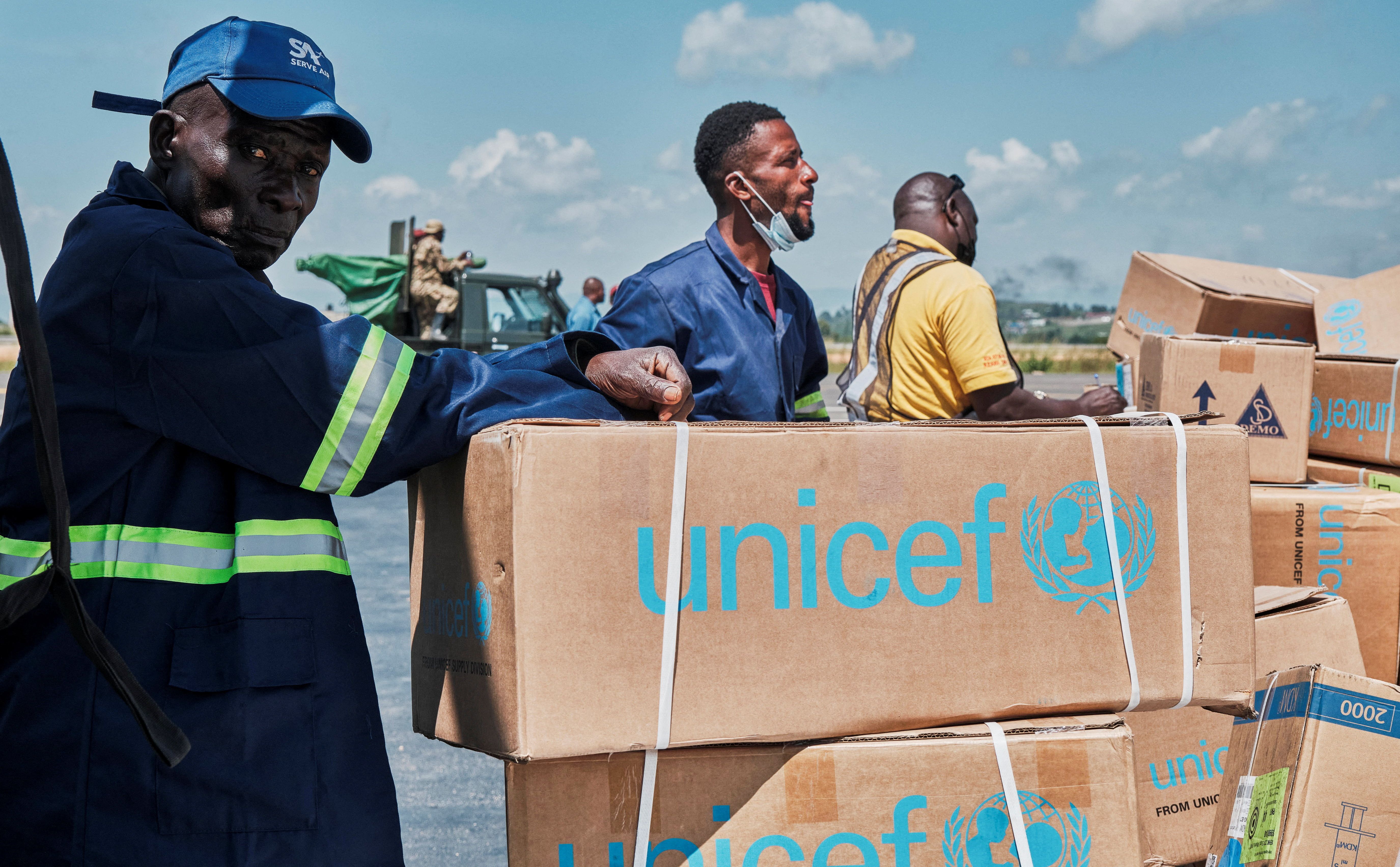
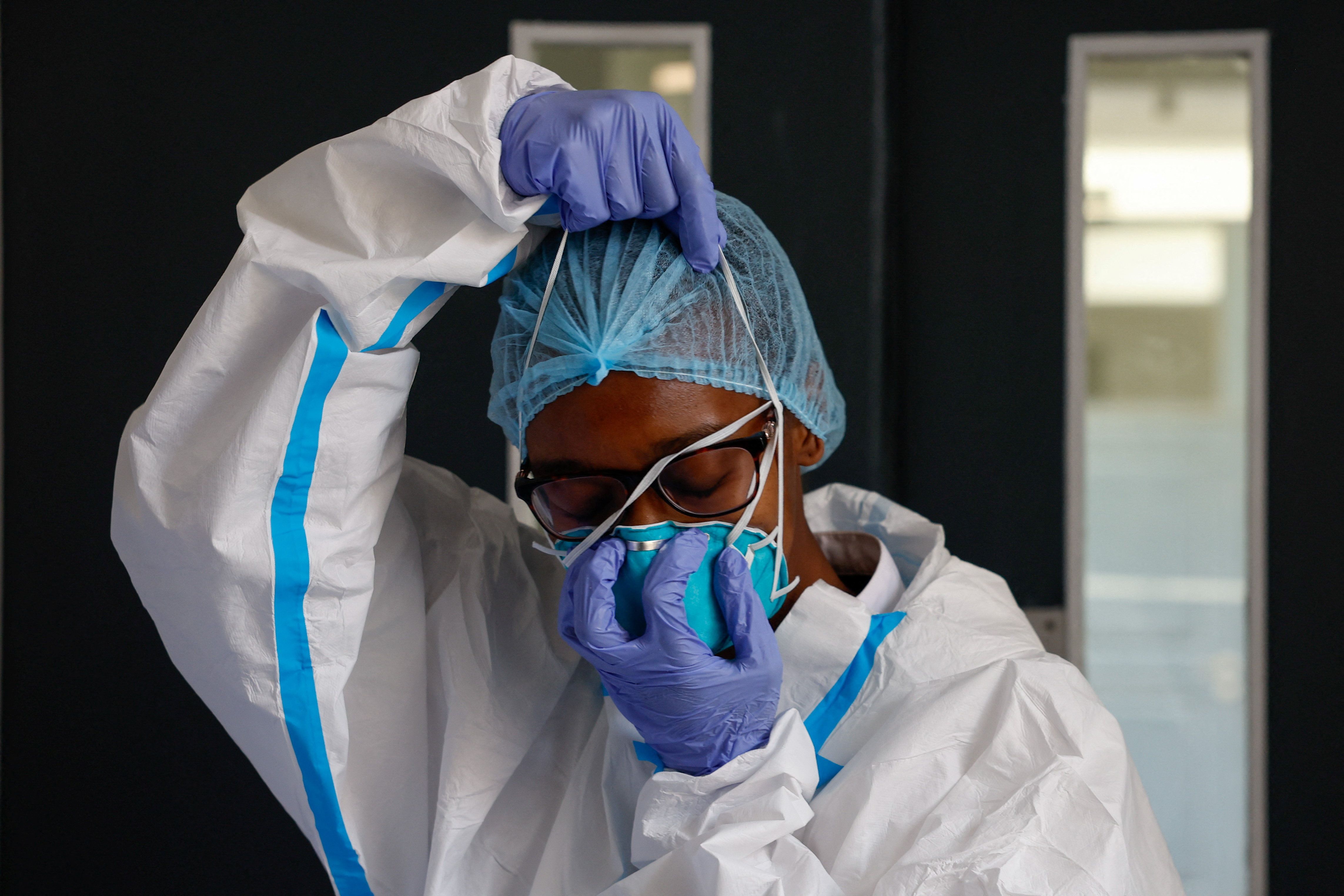
UNICEF provided life-saving assistance to millions of children in 2025 despite a historic decline in international funding, according to an annual report.
The cuts forced "agonizing choices" about which services to scale back, the Children's Fund said in the report released on Friday, noting that the Official Development Assistance (ODA) plummeted by an estimated 9% to 18% during the year.
The shortfall followed a 6% decline in 2024, placing millions of children at risk of preventable death and the loss of critical nutrition and health care support.
Despite the financial hurdles, the agency responded to 414 emergencies across 101 countries.
Key achievements included the delivery of more than 1.6 billion polio vaccine doses, which contributed to a 68% reduction in global cases since 2022.
Inclusive programmes
Additionally, UNICEF reached 255 million children with services to treat and prevent wasting.
The report highlighted significant progress in protecting vulnerable groups, noting that nearly 10.4 million adolescent girls received child marriage prevention interventions.
Furthermore, UNICEF expanded its reach to 6.5 million children with disabilities through specialised inclusive programming.
In the Middle East and North Africa, the agency navigated protracted conflicts and wars in Palestine, Lebanon, Syria and Iran.
West and Central Africa
Efforts focused on maintaining primary health care and learning continuity amid the destruction of civilian infrastructure.
In West and Central Africa, UNICEF expanded digital learning programmes despite the closure of more than 14,000 schools due to violence.
The report also highlighted that 27.8 million out-of-school children received educational support in 90 countries.
In Latin America and the Caribbean, the organisation utilized the Banco Futuro initiative to mobilize $5 billion for youth investments to combat high poverty and violence.
UNICEF also provided safe water to more than 34 million people and basic sanitation to 17 million others. The agency also distributed $559 million in cash assistance to vulnerable households in humanitarian settings.




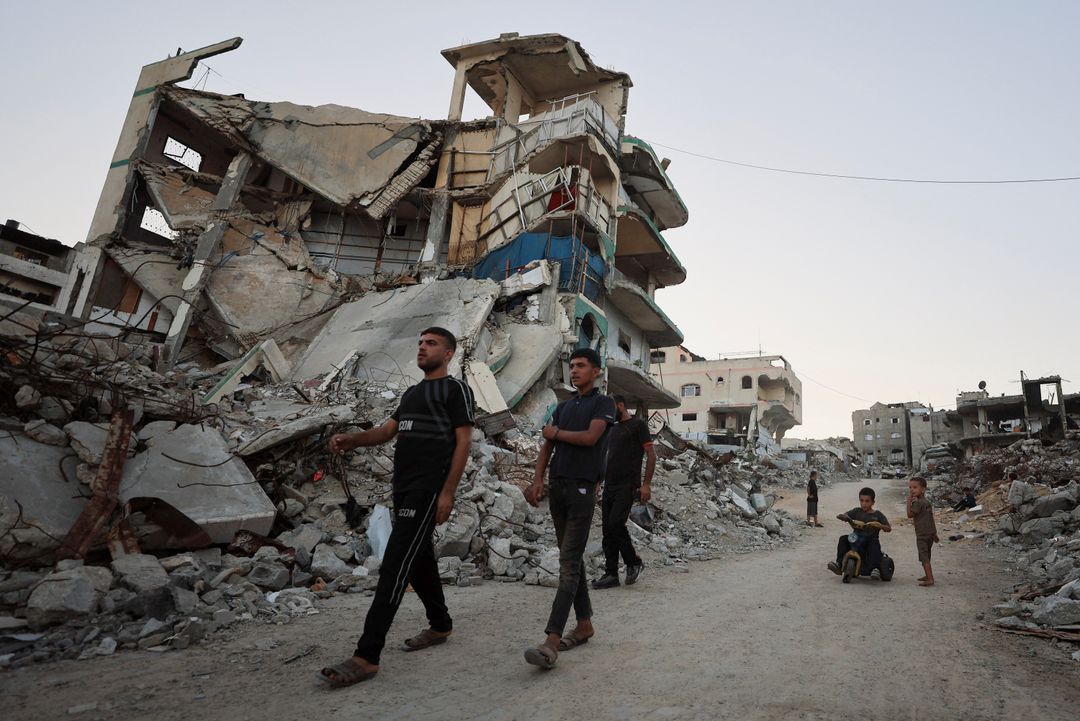
Israel’s warped logic: Nothing justifies Oct 7, but Oct 7 justifies everything
No single event, regardless of its severity, grants a sovereign the licence to bypass the laws of armed conflict and execute a systematic eradication of a civilian population, analysts say.
Energy shocks, AI demand pulling global economy in different directions, IMF chief warns
Kristalina Georgieva says global public debt is on track to exceed 100 percent of GDP as energy supply risks and AI-driven demand reshape the world economy.
US forces in Japan's Okinawa face alcohol ban, curfew after murder arrest
A US Marine stationed in Okinawa was arrested over the weekend on suspicion of killing a 39-year-old Japanese woman at a hotel and stealing her wallet; local media reported she was strangled, while the Marine denies the allegations.




All rights reserved. Newstimetr © 2026