128 countries back a process to develop an international instrument on autonomous weapons, but campaigners criticise the outcome as too weak and slow.
Countries have agreed to begin developing an international agreement on lethal autonomous weapons systems over the next two years, following five days of negotiations at the United Nations in Geneva.
The decision was reached early on Saturday at the Review Conference of the Convention on Conventional Weapons (CCW), after talks extended beyond their scheduled conclusion.
The 128 countries party to the convention “agreed to launch the elaboration of an international instrument on lethal autonomous weapons systems, which should be conducted over the next two years”, conference president Julien Thoni told reporters.
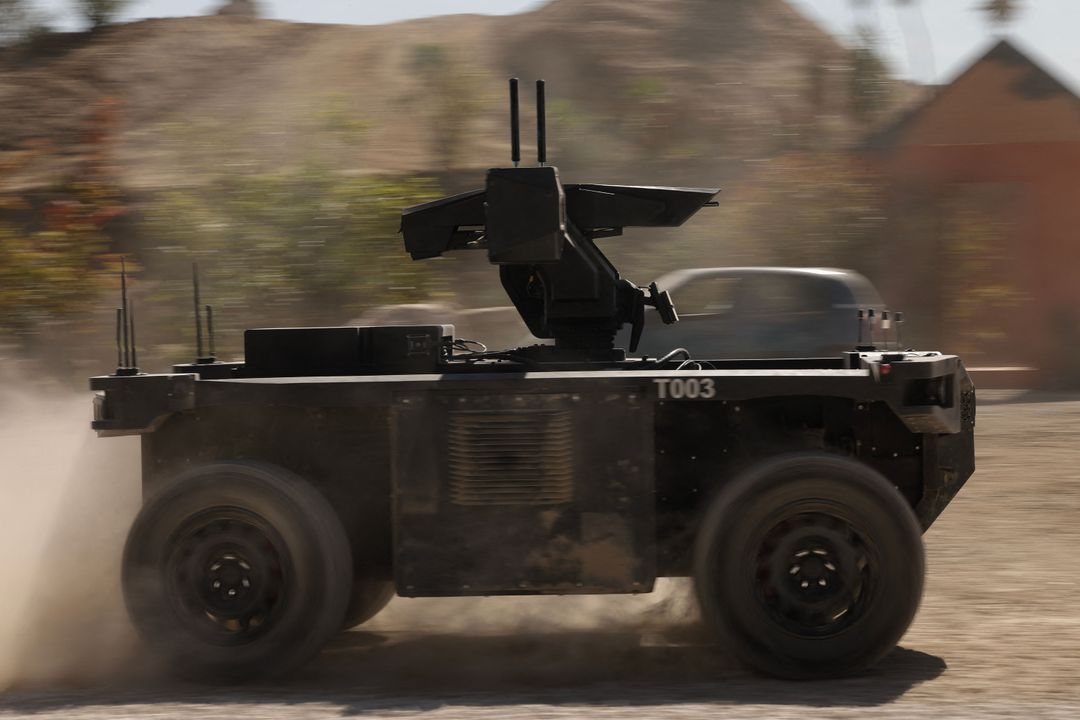
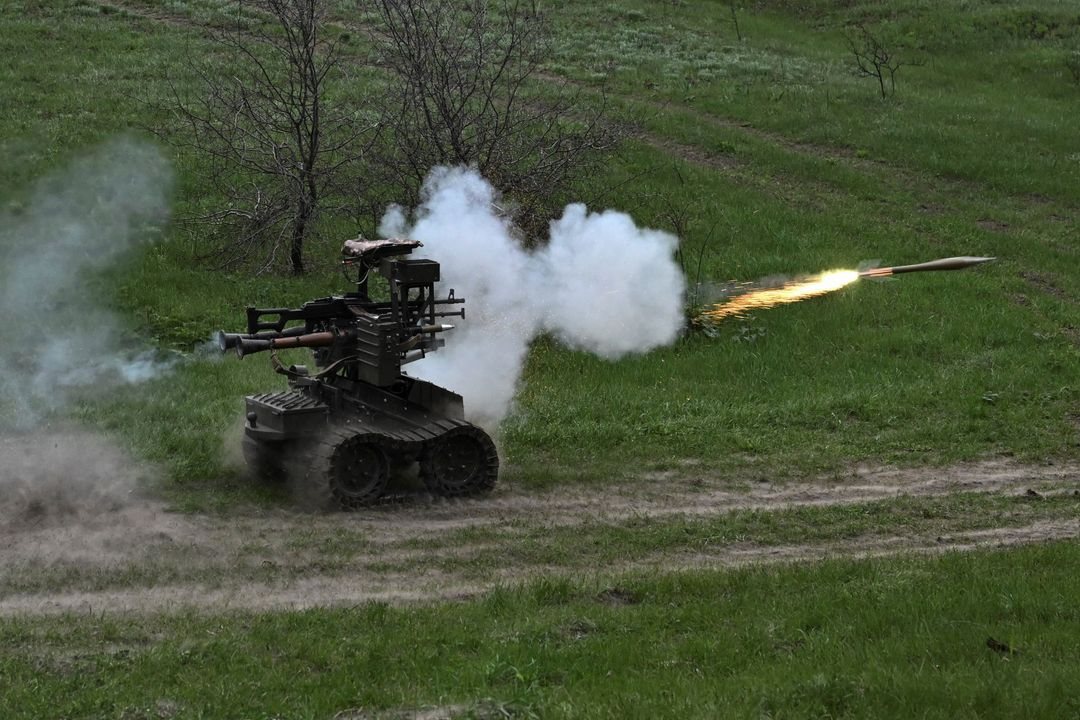
The agreement opens the way to developing rules governing weapons that can select and engage targets without direct human intervention, as artificial intelligence increasingly transforms warfare.
However, campaigners had called for faster progress towards legally binding rules restricting the use of such systems.
Reluctance over binding rules
Negotiations were complicated by divisions among countries, with decisions under the convention requiring full consensus.
While most states favoured a legally binding agreement, countries with advanced autonomous weapons technology, including the US and Russia, were reluctant to accept restrictions.
Thoni said the process would examine which weapons could be prohibited under international humanitarian law and which could be regulated.
He added that some countries had objected to using the word “negotiate” in the agreement, with delegates instead settling on “elaborate”.
Campaigners criticise the outcome as weak
The Stop Killer Robots (SKR) coalition described the decision as a “watered-down mandate” that failed to establish a clear path towards a legally binding agreement.
“Autonomous weapons technology, including AI in the targeting cycle, is being deployed on the battlefield,” SKR Executive Director Nicole van Rooijen said.
“Delaying the creation of a legally binding instrument puts civilians and humanity at risk,” she added.
Verity Coyle, deputy director for arms at Human Rights Watch, also criticised the outcome as “disappointing”.
“It does not provide the urgent action needed to agree new rules – but the technology is racing ahead,” she said.
Younger progressives continue to make strides — as reflected throughout the November midterms — even as moderate bloc retains primary control across the party.
Foreign Minister Abbas Araghchi says Tehran is seeking "an agreement that would ensure there was no further war" and wants guarantees that US is serious about negotiations.