Finance Minister Khamis Mussa Omar says the $42 billion gas deal is "almost there" as the country aims to roughly double its power generation capacity.
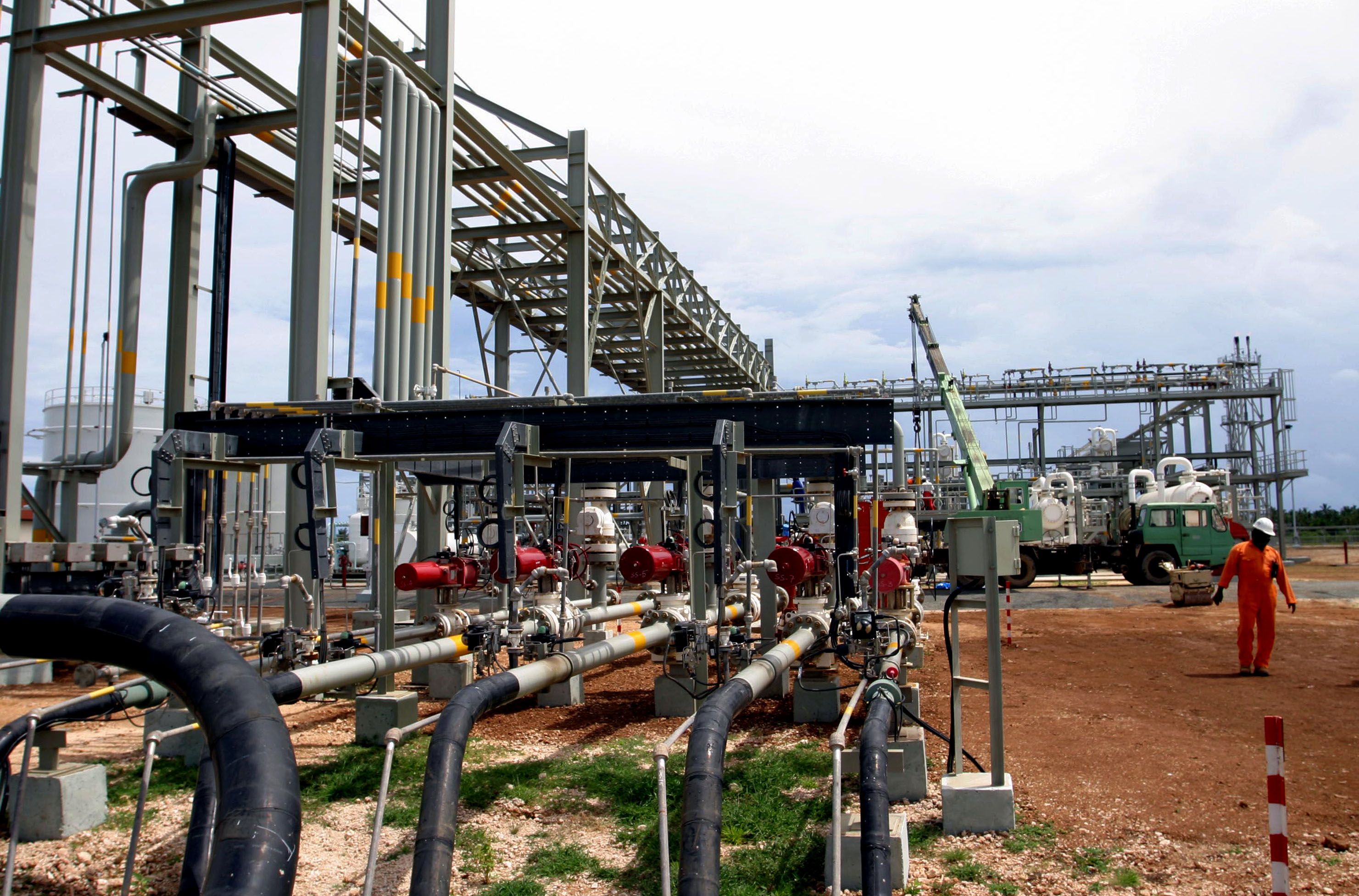
Tanzania expects to finalise agreements on major investment projects in the coming months, including a $42 billion LNG development that officials hope will underpin industrialisation, Finance Minister Khamis Mussa Omar told Reuters.
The liquefied natural gas project — led by Equinor and Shell — is part of a broader effort to establish East Africa as a major energy hub, alongside Uganda's planned first oil exports via the Tanzanian port of Tanga in early 2027.
It is expected to unlock 47.13 trillion cubic feet of natural gas reserves. Exxon Mobil, Pavilion Energy, Medco Energi and state-owned Tanzania Petroleum Development Corporation are also partners.
Officials had expected the LNG agreement to be signed before June.
‘Almost there’
"It's almost there," Omar said.
Equinor and Shell did not respond to a request for comment.
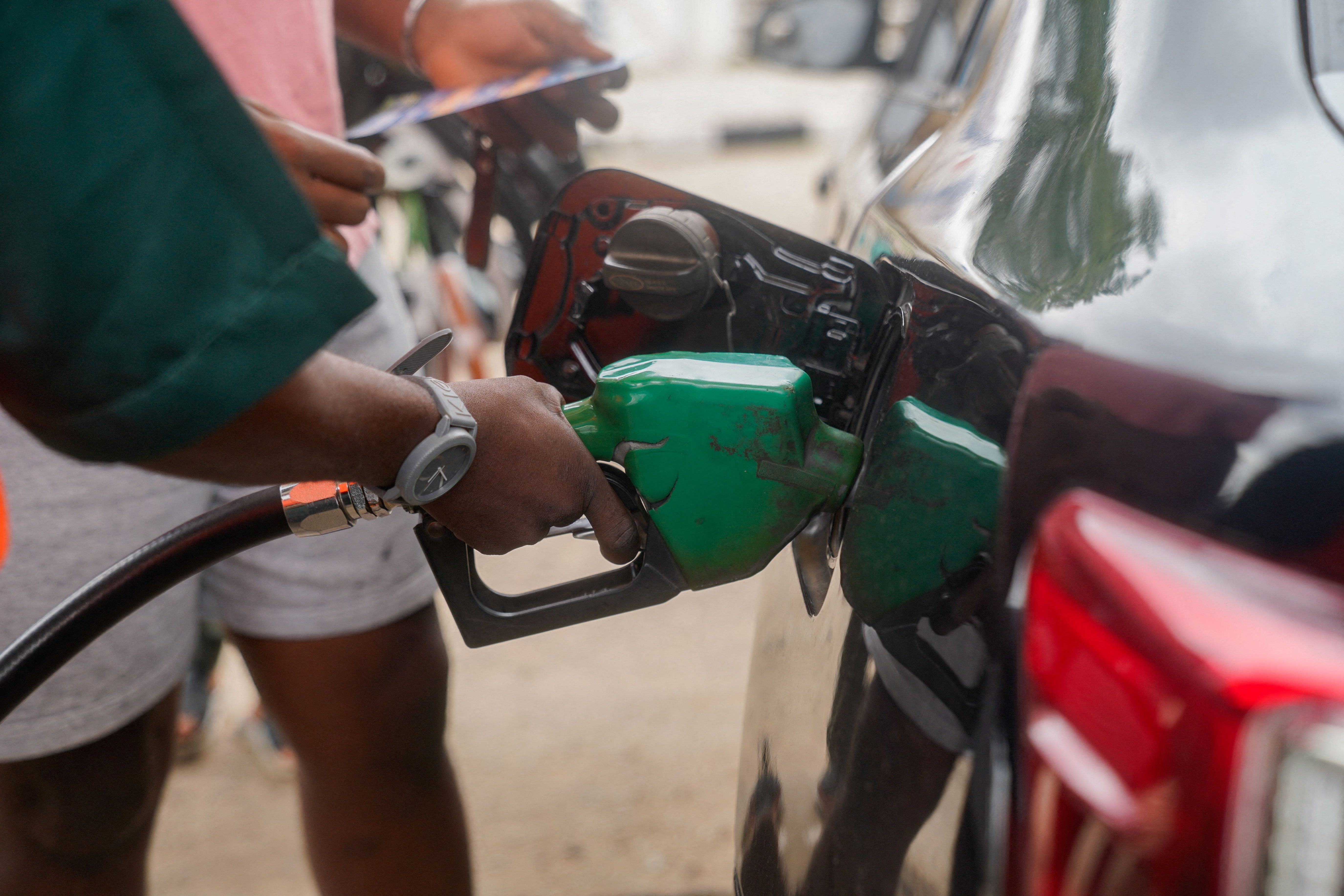
While most LNG will be exported, part of the production will be for the domestic market.
Omar said Tanzania aims to roughly double power generation capacity to 8,000 megawatts by 2030 while increasing the share of energy from sources the government classifies as clean, including hydropower, solar, wind and natural gas, to around 75%.
Critical minerals
He said agreements on two critical mineral projects were also close, declining to provide details, but adding that US investors in particular are drawn to energy and critical mineral projects.
Tanzania is seeking more international investment in projects that are set to generate revenue and help finance themselves, he said.
The government has yet to decide whether to issue an international bond, but is working to attract foreign investors to domestic debt.
Tanzania now funds two-thirds of its roughly 62.3 trillion Tanzanian shillings ($23.7 billion) budget via domestic revenue. Official development assistance, which once accounted for 40% of the budget, is falling globally and now accounts for a "very, very negligible" share, Omar said.