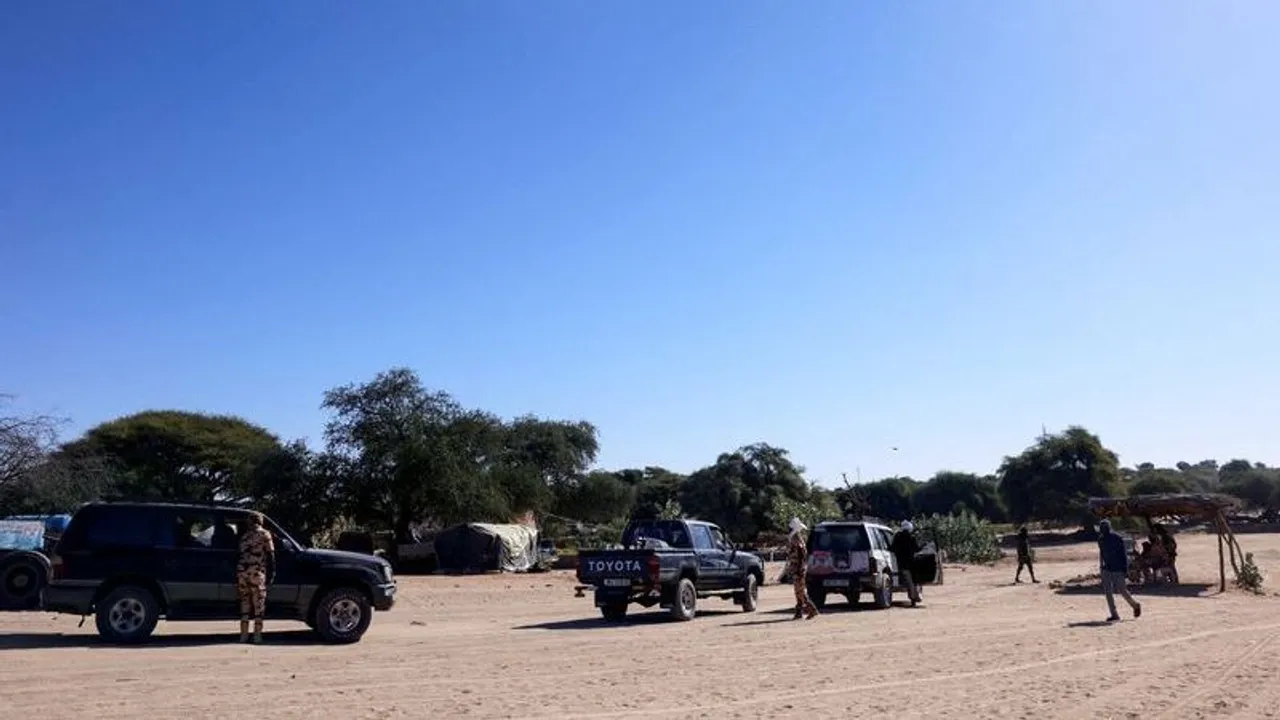
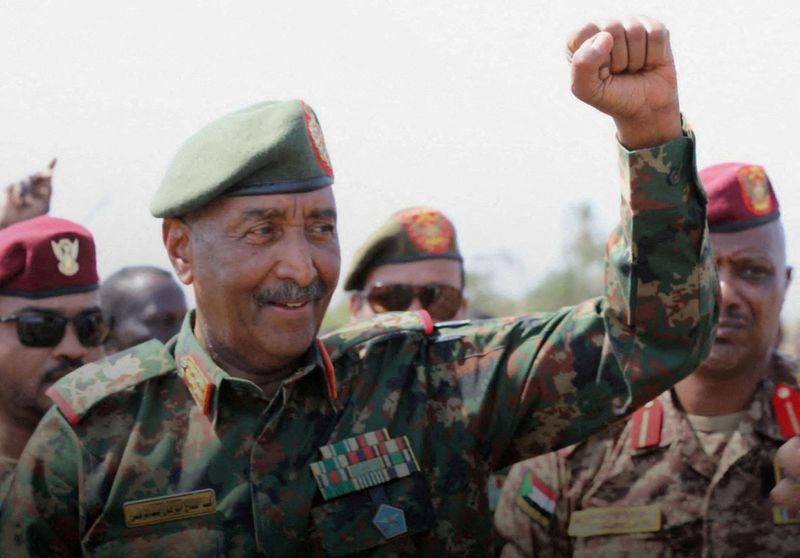
The Sudanese army said it had retaken Kulbus, a strategic town near the Chadian border, in what appeared to be its biggest battlefield gain in western Darfur.
The Sudanese army said it had retaken Kulbus, a strategic town near the Chadian border, in what appeared to be its biggest battlefield gain in western Darfur since the capture of Al Fasher by the Rapid Support Forces (RSF) last year.
RSF, at war with the army since April 2023, consolidated control over most of Darfur after capturing Al Fasher, the military's final stronghold in the region.
The military and its allied Joint Forces, a coalition of armed groups, meanwhile retained control along the Chadian border.
Kulbus lies on a vital corridor near the border, roughly halfway between the army-held border town of Al Tina in North Darfur and Al Geneina, the capital of West Darfur, which remains under RSF control.
'Full control'
In a statement late on Monday, the Joint Forces said their fighters had taken "full control" of the town in West Darfur after what they described as "decisive battles", claiming to have inflicted heavy losses on RSF units and seized vehicles and weapons.
The claims could not be independently verified and the RSF has not commented.
In a separate statement, a pro-army popular resistance group accused the RSF of using Kulbus as a staging ground for "thousands of fighters crossing the border" and as a key supply hub linked to Al Geneina.
Video footage circulated by local media appeared to show men wearing Sudanese army uniforms celebrating in front of a sign reading "West Darfur State – Kulbus Locality."
Conflict kills thousands of people
Fighting has intensified in recent months along the frontier between North and West Darfur as the army seeks to secure a strategic corridor along the border with Chad.
Al Tina, already at risk of famine according to the UN, has come under repeated RSF attacks this year.
In recent days, the UN, several governments and aid organisations have warned of a possible RSF offensive on Al Obeid, a key city in the neighbouring Kordofan region, raising fears of a repeat of the assault that led to the fall of Al Fasher.
Now in its fourth year, the conflict has killed tens of thousands of people, displaced millions and created the world's largest hunger crisis.
Senator Jeanne Shaheen demands State Department review over claims that Kimberly Ann Guilfoyle advocated for a foreign company and gave lobbyist access to official meetings.