NATO chief calls on allies to boost defence production, including air defence systems, drones, counter-drone technologies and precision-strike capabilities.
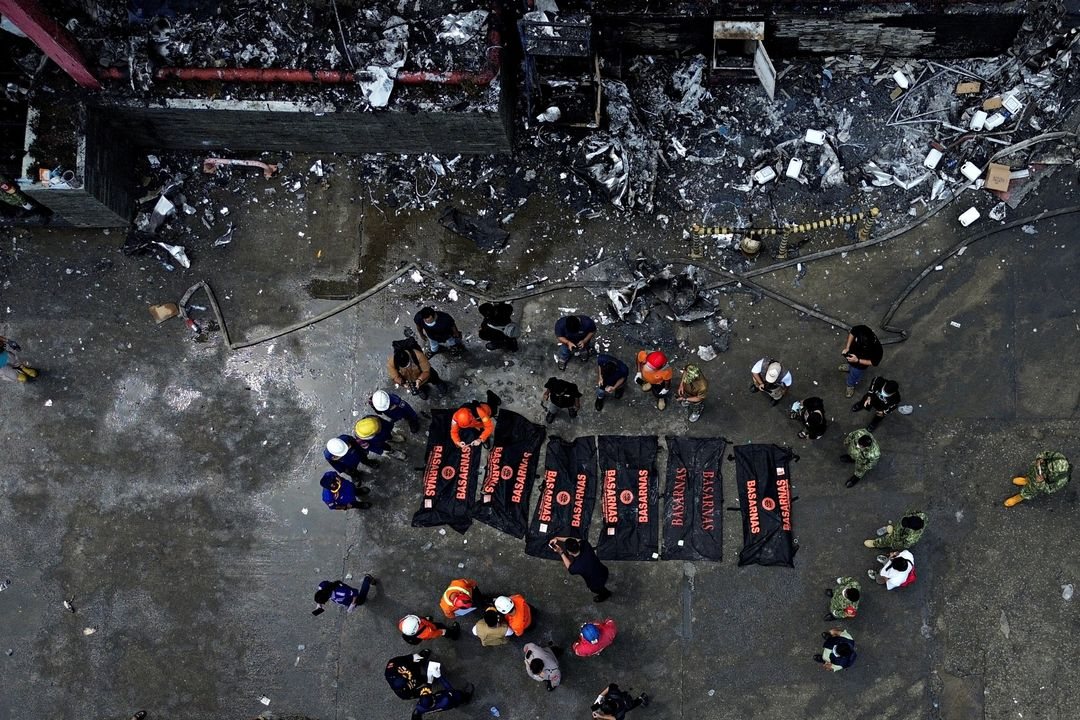
NATO Secretary General Mark Rutte has warned of "intensifying malign activities targeting our nations," citing acts of sabotage against railways, attacks targeting cargo vessels at sea, "relentless" cyberattacks, and recent security incidents in Poland and the Black Sea.
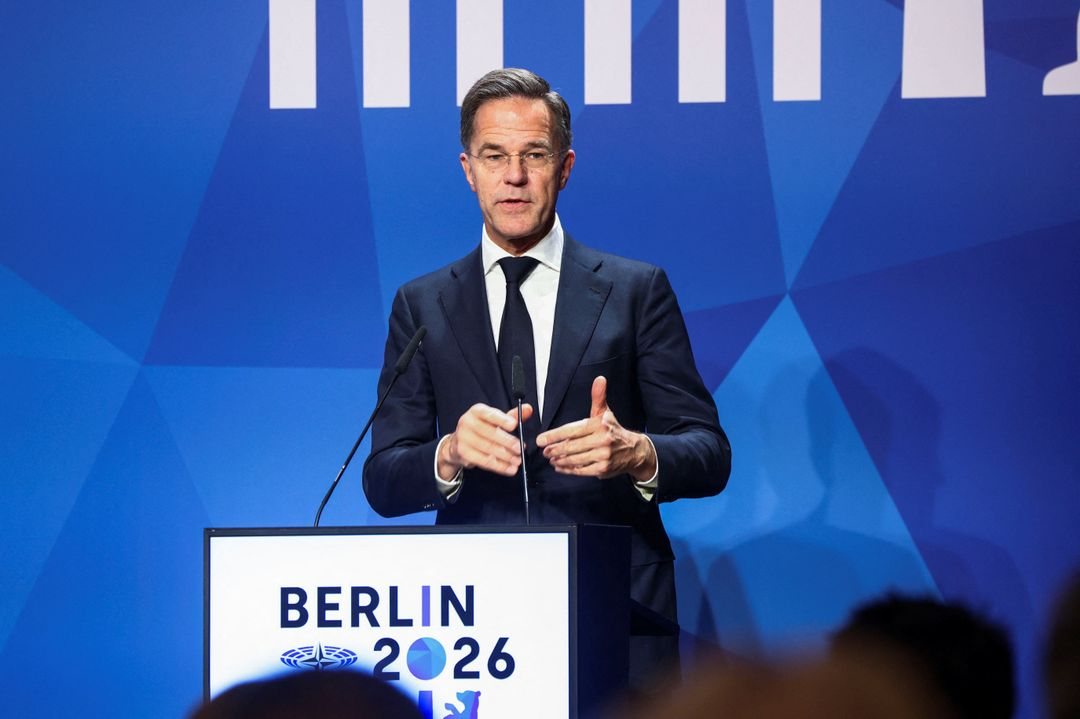
Speaking at the NATO Parliamentary Assembly's annual session in Berlin on Monday, Rutte said allied countries were increasingly exposed to a range of threats, including sabotage, cyberattacks, airspace incursions, and violations of maritime space.
"One day, it can be in the form of an arson attack against a factory or drones disrupting an airport. The next, it is sabotaged railways or cargo vessels targeted at sea, and cyberattacks. These cyberattacks at the moment are relentless," he said.
Rutte pointed to a "dangerous incident" in Poland on Friday and several serious developments in the Black Sea in recent weeks, saying NATO was working with Romania, Bulgaria and Türkiye to address the threats.
The NATO chief warned that the threats would not disappear anytime soon, stressing that all allied countries were affected through interconnected infrastructure, including pipelines, cables, energy grids, and economies.
"We are all targeted, that we are all affected," he said, urging allies to step up their efforts to stay ahead of emerging dangers.
He urged the allies to increase defence spending and investments, saying several members were already projected to meet or exceed the alliance's 5% defence spending target this year.
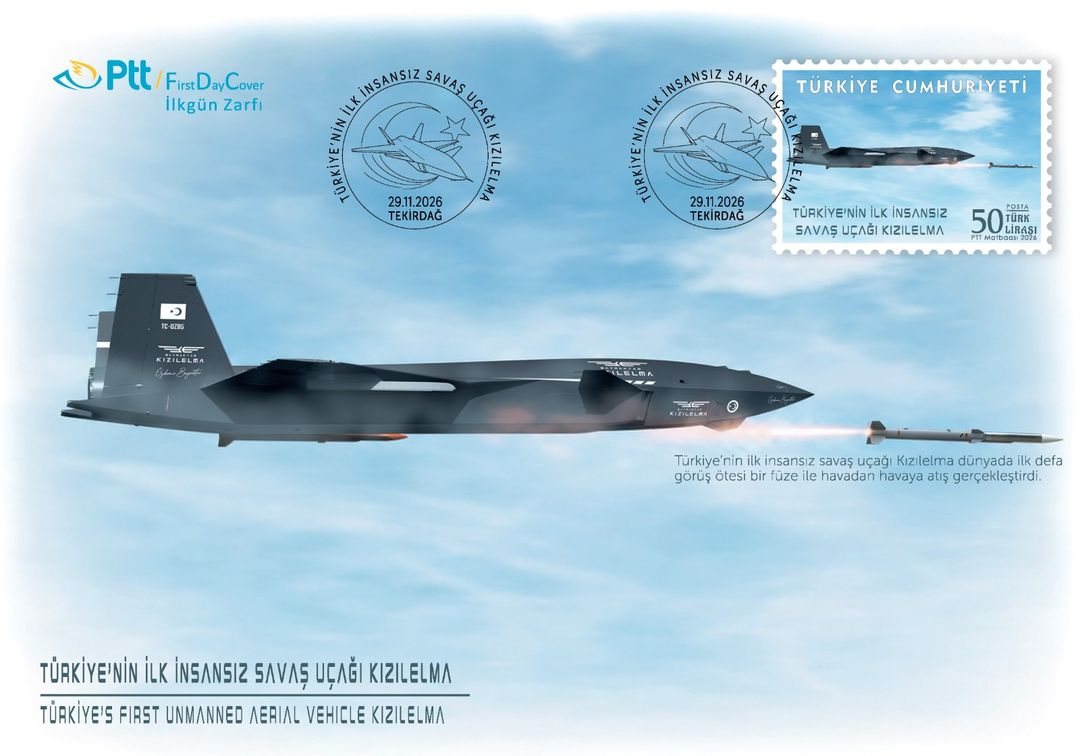
Rutte also called for increased industrial production of defence capabilities, including air defence systems, drones, counter-drone technologies, and deep precision-strike capabilities.
He said NATO was making progress on ammunition production, projecting that the alliance would have the capacity to produce around 4 million artillery shells annually by next year, nearly double the 2025 level.
'European army' proposal, Türkiye's role
Responding to questions from national delegations, Rutte said that establishing a European army was not a matter of principle but was unlikely to happen in the near future due to sovereignty-related challenges.
"I'm not principally against that, ... but, I don't see it happen soon. I don't think there is a big push for it," Rutte said, referring to the idea of a European military, adding that such a structure would require replacing national armies with a single integrated force.
He cautioned against maintaining separate national militaries within NATO while creating an additional European military structure, warning that such an arrangement could lead to delays in decision-making during a crisis.
"If (Russian President Vladimir) Putin attacks, we will first need two or three weeks to agree who will do what, and then he will probably end up in Rotterdam before we have decided," he said.
Rutte stressed that NATO already has the necessary command-and-control structures, capabilities, and defence planning mechanisms to operate as an integrated military force.
He also highlighted the importance of cooperation between NATO and the EU, saying relations between the two institutions were currently in very good shape.
Rutte further underlined Türkiye's strategic importance to NATO, particularly in the alliance's eastern and southern dimensions and its links with Asia.
He said Türkiye played an important role as a bridge between NATO and Asian countries, highlighting its geographical position and contribution to discussions on regional security.
TRT World / َAA — TRT World / َAA
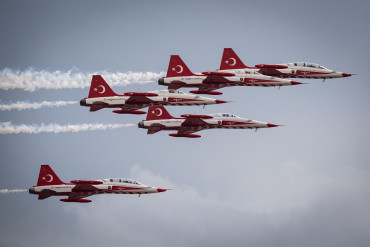
Photo: Reuters