Washington monitoring Siberian laboratory case "hour by hour" alongside international agencies, Marco Rubio says.
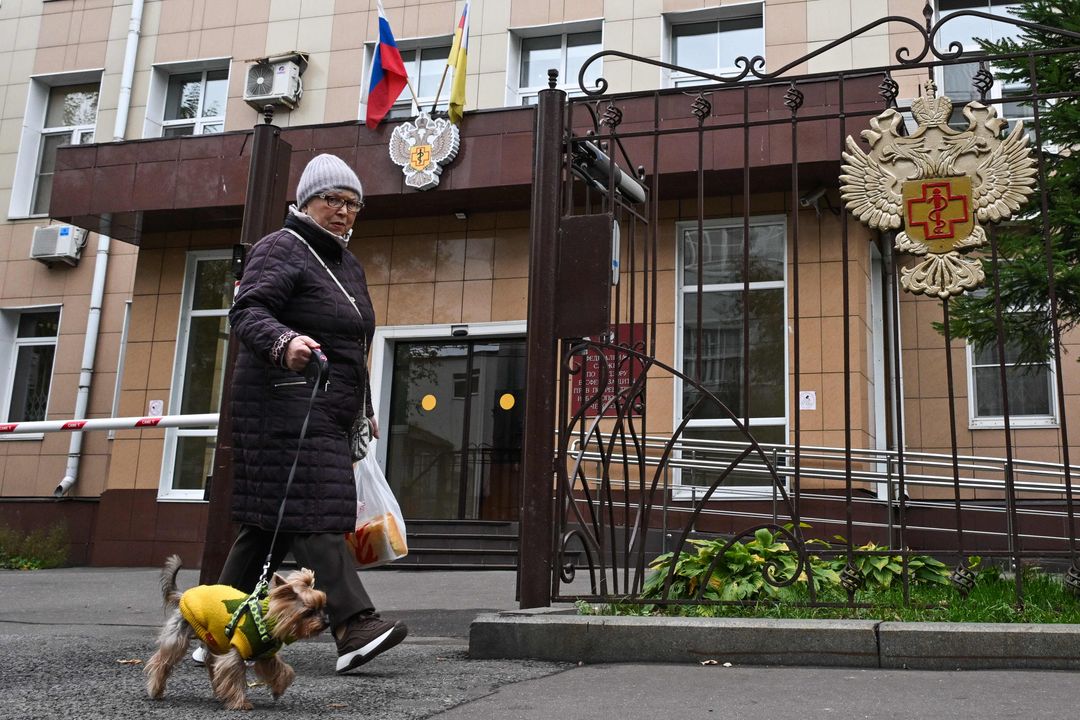
Russia on Tuesday denied imposing anti-plague measures after the death of a worker at a biological research institute in Siberia, rejecting reports that she contracted pneumonic plague following a laboratory accident.The 28-year-old researcher at the Irkutsk Anti-Plague Research Institute died after developing pneumonia of an undetermined cause, according to Russian authorities.Russian outlet People of Baikal identified the woman as Darya Shipilova and reported that she may have contracted pneumonic plague after a test tube broke at the laboratory.
Other local media also reported a possible link between her death and an accident at the facility.The outlet said as many as 200 people who may have had contact with Shipilova were placed under quarantine.Russia’s consumer health watchdog Rospotrebnadzor, however, denied claims circulating online that special anti-plague measures had been introduced.“We wish to clarify that the document and information in question do not originate from official sources and are untrue,” the agency said on Telegram.WHO assesses risk as lowThe World Health Organization said information provided by Russia indicated that no case of plague had been recorded in Irkutsk.Russian authorities have launched an epidemiological investigation into what they described as a case of community-acquired pneumonia involving an employee of the institute, according to an update received by the WHO.People who had been in contact with the researcher were identified and underwent medical monitoring and laboratory testing.“Test results showed no presence of dangerous infectious disease pathogens in any of the contacts,” the Russian update said, according to the WHO.Based on currently available information, the UN health agency assessed the risk as “moderate to low” for Irkutsk, low for Russia as a whole and very low for the rest of Europe.WHO spokesperson Christian Lindmeier said the agency was continuing to monitor the situation and seeking to verify information surrounding the incident and laboratory tests.Plague is a bacterial disease that can occur in several forms.
Pneumonic plague affects the lungs and can spread through respiratory droplets.
It can be fatal if not treated early.US calls for transparencyUS Secretary of State Marco Rubio urged Moscow on Tuesday to provide more information about the incident, saying Washington was monitoring developments closely.“I think it’s incumbent upon Russia to obviously share more information with the world,” Rubio told reporters during a visit to Iceland.Rubio cautioned against drawing conclusions about the nature of the incident without sufficient evidence, saying it would be “reckless” to speculate over whether an intentionally altered pathogen was involved.US President Donald Trump said on Monday that Washington was closely following the situation and was prepared to offer assistance to Moscow.Rospotrebnadzor later said Russia was prepared to help the United States tackle its own infectious disease outbreaks, citing measles cases and a fatal plague case reported in New Mexico in June.An international conference on plague and other infectious diseases is scheduled to take place in Irkutsk on October 21-22.
Organisers said the event was arranged in June and is unrelated to the researcher’s death.
A Kenyan man who had been living in the Democratic Republic of Congo has died after testing positive for the Bundibugyo strain, with 28 contacts identified.
As Israel heads towards crucial elections, fresh revelations about warnings preceding the Hamas attack revive questions over Netanyahu’s political calculations, his handling of the threat and the war that followed.