Rebeca Grynspan takes the lead in race to become UN chief
Source:
TRT World
French envoy to the UN Jerome Bonnafont, the current president of the Security Council, confirmed that the fourth round of voting has concluded.
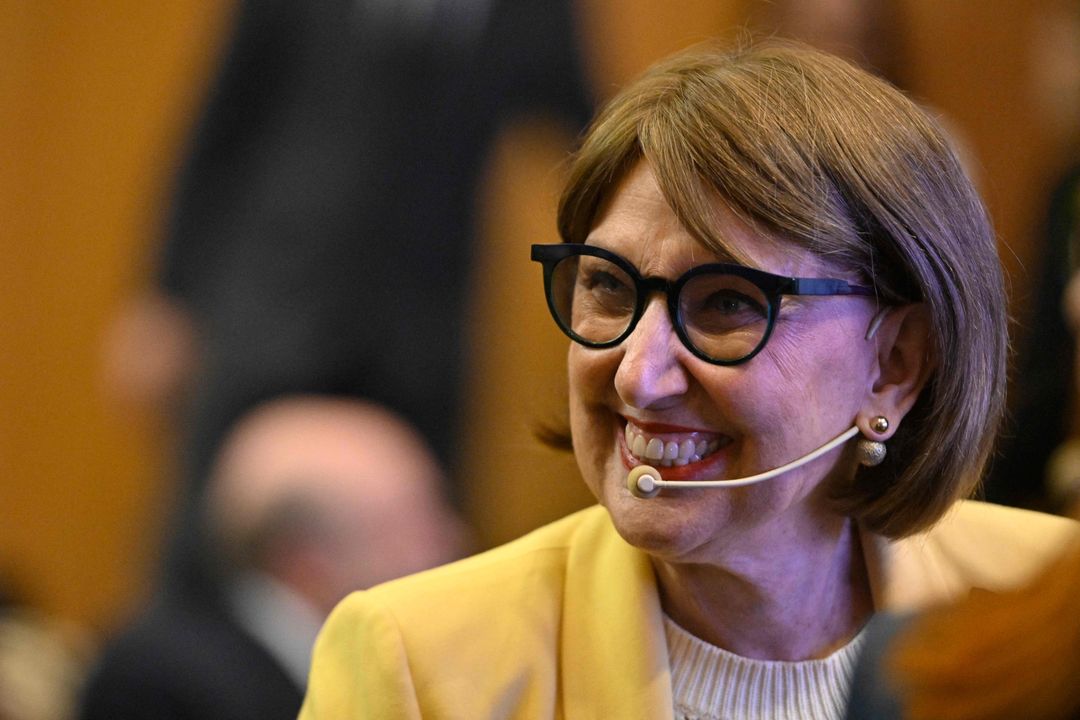
Costa Rica's Rebeca Grynspan appeared to be pulling ahead in the race to lead the United Nations after the fourth round of informal polling, a diplomat said.Grynspan, a veteran diplomat who leads the UN trade and development body (UNCTAD) has come top in three of the four straw polls, but a veto from the five permanent members of the 15-member UN Security Council could derail her momentum.She received 10 favourable votes on Tuesday and three negative votes of "discourage," with two indications of no opinion, according to the diplomat who declined to be named, echoing specialist UN media reports.A total of seven candidates, four women and three men, are vying to succeed the outgoing secretary-general, Antonio Guterres of Portugal, who ends his second five-year term on December 31, 2026.Guyanese ex-foreign minister Carolyn Rodrigues-Birkett, who narrowly led the second round of the secret process to pick the next UN chief, came second with eight endorsements.Other candidates include third-placed Argentina's Rafael Grossi, the current head of the UN nuclear watchdog, Macky Sall of Senegal, Ecuador's Ivonne A-Baki, Ecuador's Maria Fernanda Espinosa and Uganda's Olara Otunnu.Several of the candidates are known to have met with world leaders during the General Assembly, the UN's signature diplomatic event, at the New York headquarters last week.Rumours have persisted that a compromise candidate could be parachuted into the process at the behest of the five veto-wielding Security Council members: Britain, China, France, Russia and the United States.Security Council straw pollEven if a candidate earns the required nine votes from the 15 available in the Security Council, they must also avoid a veto by the five major powers, which are deeply divided.Once a candidate clears those bars, their name will go to the General Assembly of all UN members for confirmation.The Security Council straw poll was devised in the early 1980s to break a deadlock between two candidates shut down by vetoes.The informal mechanism has persisted, in various forms, despite criticism from countries opposed to the opaque process.Each of the 15 Security Council members must anonymously assign each candidate one of three labels: "encourage," "discourage," or "no opinion."But after an unspecified number of votes, the ballots of the Council's five permanent members will have a different colour, making it possible to identify potential vetoes, without knowing which country blackballed any given candidate.Tuesday's vote was held without colour-coded straws, the rotating president of the Security Council, France's UN envoy Jerome Bonnafont, said when confirming that voting had concluded.
He did not say when the next round would be held.It is tradition that the UN's top position should rotate between different regions.Under that premise, the role should go to a candidate from Latin America this time.
There are many candidates from the region, though Sall and Otunnu hail from Africa.



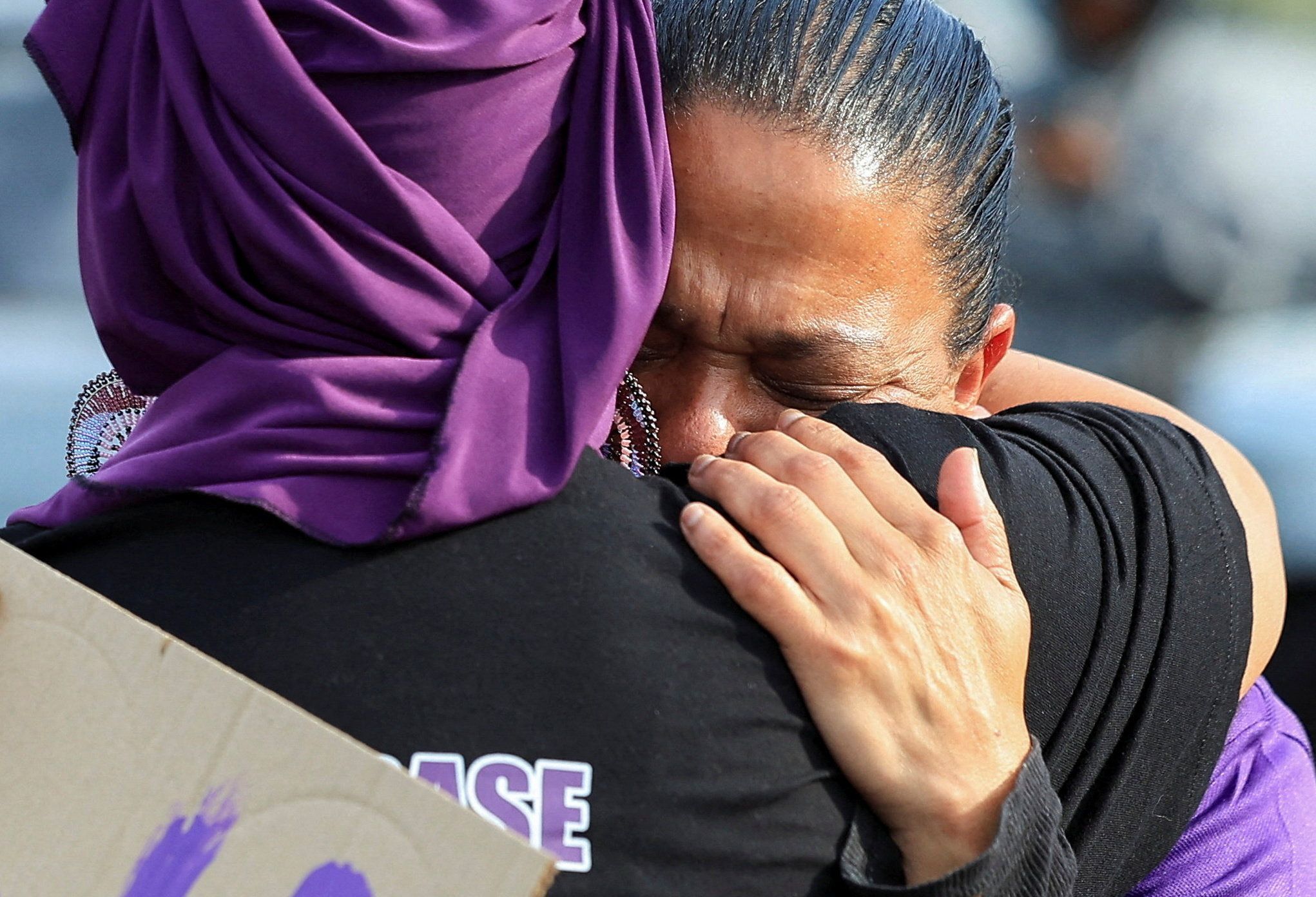
South Africa president orders measures to protect women after series of killings
"What we have done has not been enough. We need to do much more," President Cyril Ramaphosa says.
UN extends Haiti gang suppression force mandate by six months
The Security Council vote keeps the multinational force in place until March 2027 as Haiti prepares for presidential and legislative elections.
Trump vows to never 'stifle' AI as top executives seek guardrails on new models
US President Trump holds his no-slowdown line on AI as Anthropic reportedly warns of "existential" risks in IPO filing and OpenAI claims it is "pacing our progress".




All rights reserved. Newstimetr © 2026