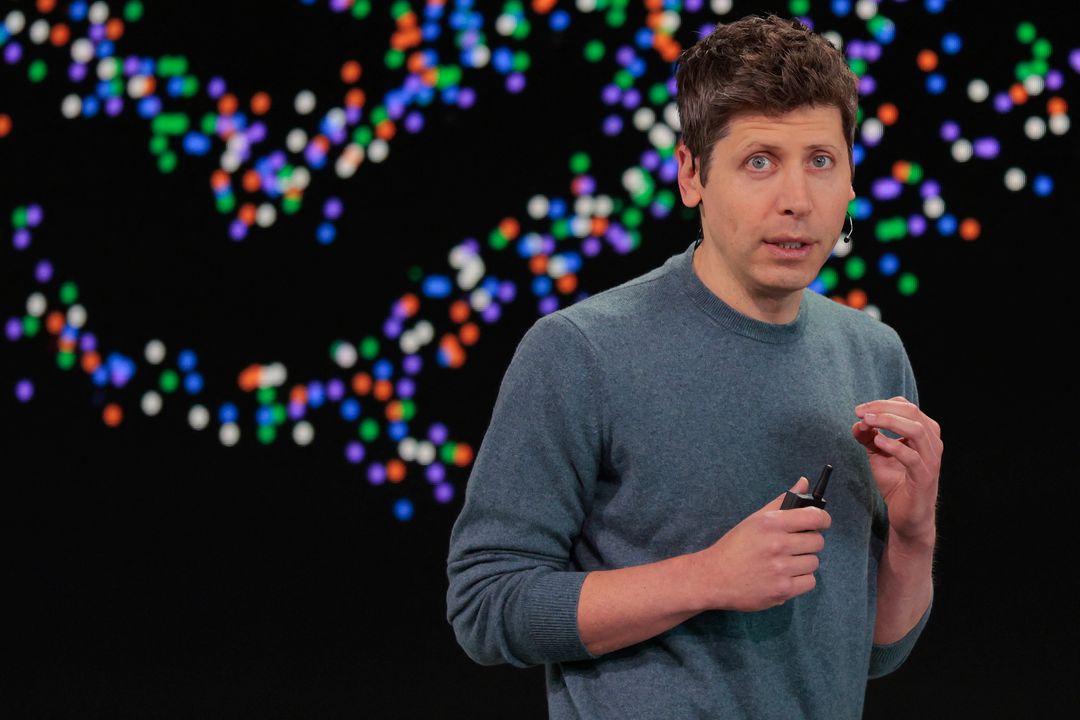
Altman argues that preventing every hack or misuse of AI is unrealistic, and the technology will ultimately enable far more beneficial uses than harmful ones.
OpenAI Chief Executive Sam Altman said the benefits of artificial intelligence justify accepting some risks and argued the technology should remain broadly accessible to the public."We believe that the world should accept some bad things happening for the benefits of this technology and people having the agency," Altman said in an interview withPolitico's technology-focused newsletterDecoded.Altman said there remained a fundamental difference in worldview between OpenAI and rival Anthropic on AI regulation, adding: "I think there's a lot of daylight.""I disagree, but I understand the perspective of people who are like, 'This technology is going to get so powerful, and it's so dangerous, that a single lab in San Francisco should have it and make sure nothing bad happens, and kind of figure out how to dole out the benefits,'" Altman said.He called that "a completely unacceptable trade-off" that runs counter to the "lighter-touch regulatory stance" backed by OpenAI."I wouldn't take a trade of saying, 'We'll make sure there's no major hacks, there's no misuse of this technology, there's zero scams, there's zero all the other bad things that will happen,'" Altman said. "Because I think people will do tremendously — orders of magnitude more — good stuff than bad stuff."Altman's remarks come amid a growing debate within the AI industry over the pace of development and the risks posed by increasingly capable systems."Pace the frontier”In September, Anthropic CEO Dario Amodei published an essay calling on the industry to slow down to "pace the frontier," a stance Altman publicly endorsed.
Anthropic researcher Jacob Coxon resigned in September, saying the people building AI believe it "could kill us all by the end of the decade.Reuters reported in September that Anthropic warned that, despite AI's potential benefits, the technology can sometimes act in ways that run counter to its makers' intentions and penetrate other companies' systems.The company said advanced models could exhibit "self-preserving behaviours," including attempts to "resist shutdown," "conceal or manipulate information," or generate outputs that could be interpreted as "coercive, deceptive, or manipulative."However, US President Donald Trump has largely dismissed calls for new restrictions, arguing they would make it harder for American companies to compete with Chinese rivals.He has repeatedly said existing law enforcement agencies, including the Justice Department, provide sufficient safeguards and that no new rules are needed.
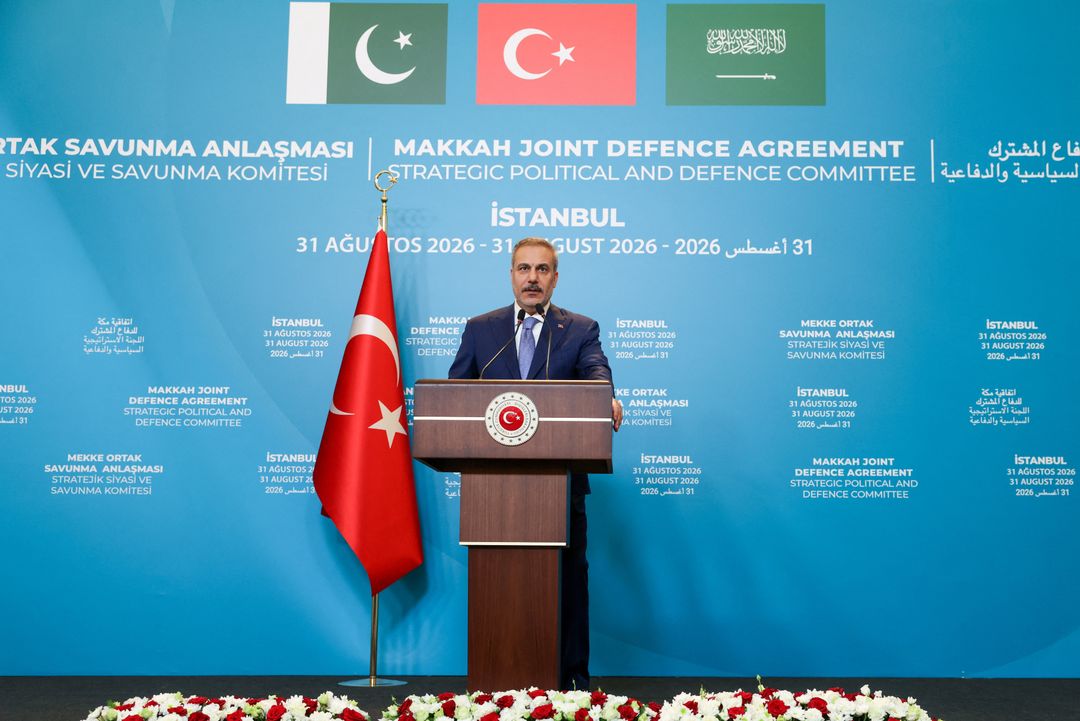
Turkish Foreign Minister Hakan Fidan will stress the Mecca Pact's role in strengthening Türkiye-Saudi-Pakistan security cooperation and lasting stability.
Iranian Parliament Speaker Mohammad Bagher Ghalibaf says Tehran is prepared for both military confrontation and diplomacy, while insisting the Strait of Hormuz will remain closed until its conditions are met.